Ronda Spain is a picturesque town located in the province of Malaga.
Known for its stunning cliffside views and historic architecture, it offers a unique glimpse into Andalusian culture.
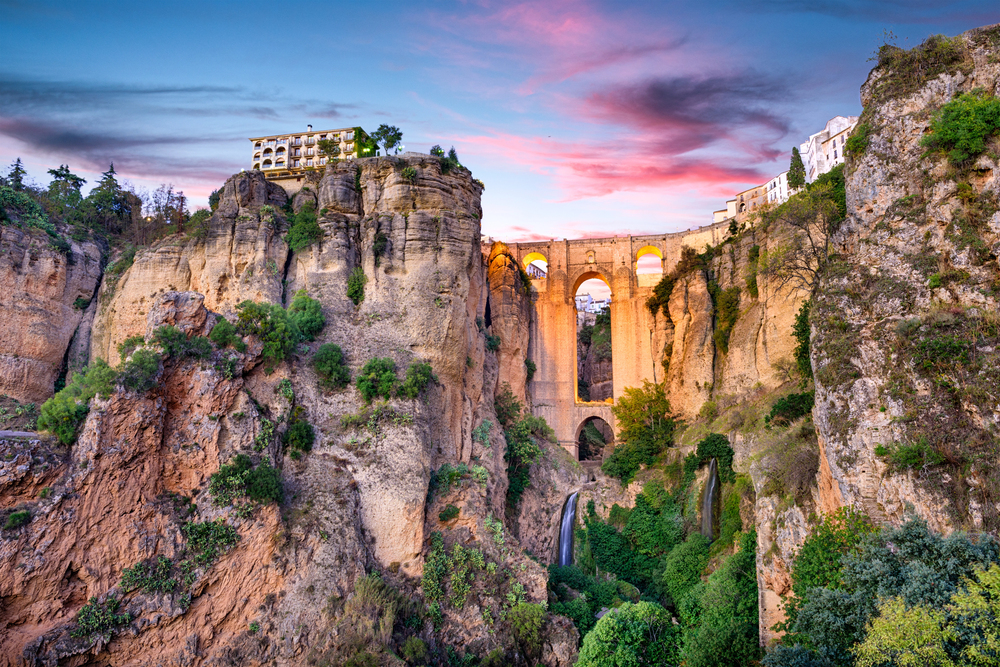
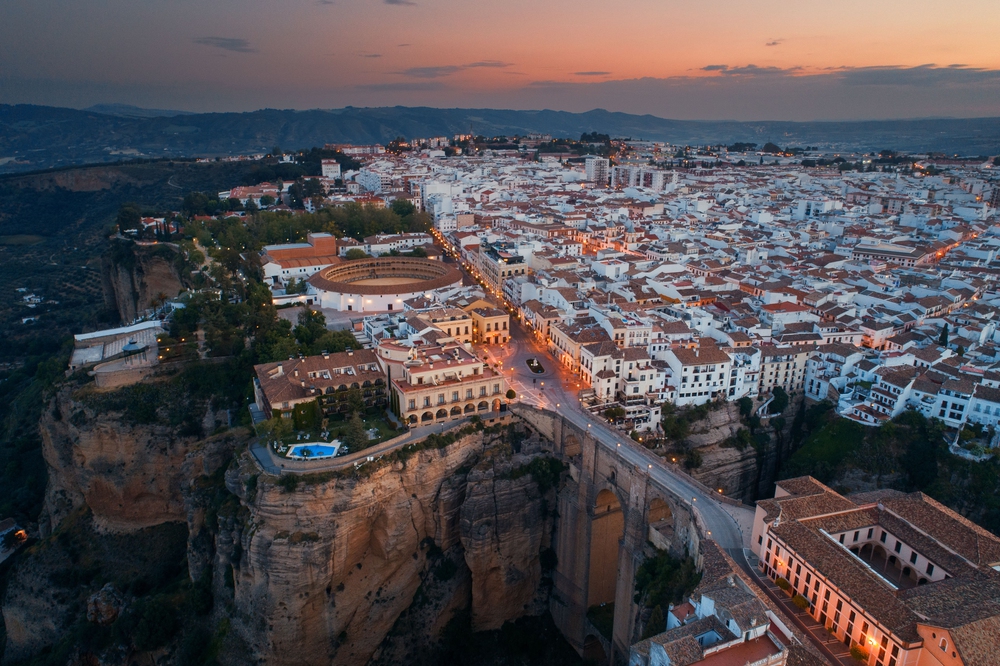
The town is famous for landmarks such as the Puente Nuevo bridge and the ancient bullring.
With its rich history and natural beauty, Ronda attracts visitors seeking both adventure and relaxation.

Before we start… Yours Free
Please click / tap on the image below:

Exploring the History of Ronda Spain
This historic town boasts a fascinating narrative, shaped by various cultures and eras, each leaving an indelible mark on its identity.
Ronda is located in the region of Andalusia Spain.
Origins and Early Influences
Ronda’s origins date back to ancient times, with archaeological evidence suggesting it was inhabited during the Neolithic period.
The area was subsequently influenced by a series of civilisations, including the Celts and the Romans, who appreciated Ronda’s strategic location.
The remains of Roman architecture, such as bridges and baths, can still be observed, showcasing the artistic and engineering prowess of the time.
The Moorish Era
The most significant transformation of Ronda Spain occurred during the Moorish era, which began in the 8th century.
The Moors fortified the town, turning it into a vital trading post due to its position along important routes.
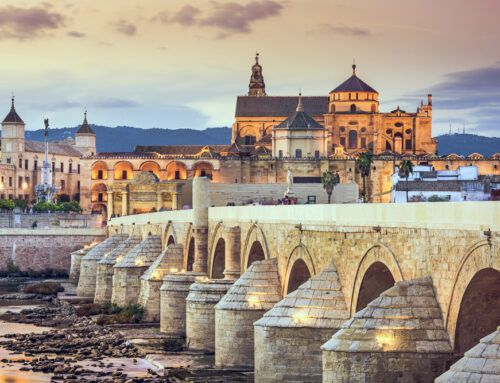
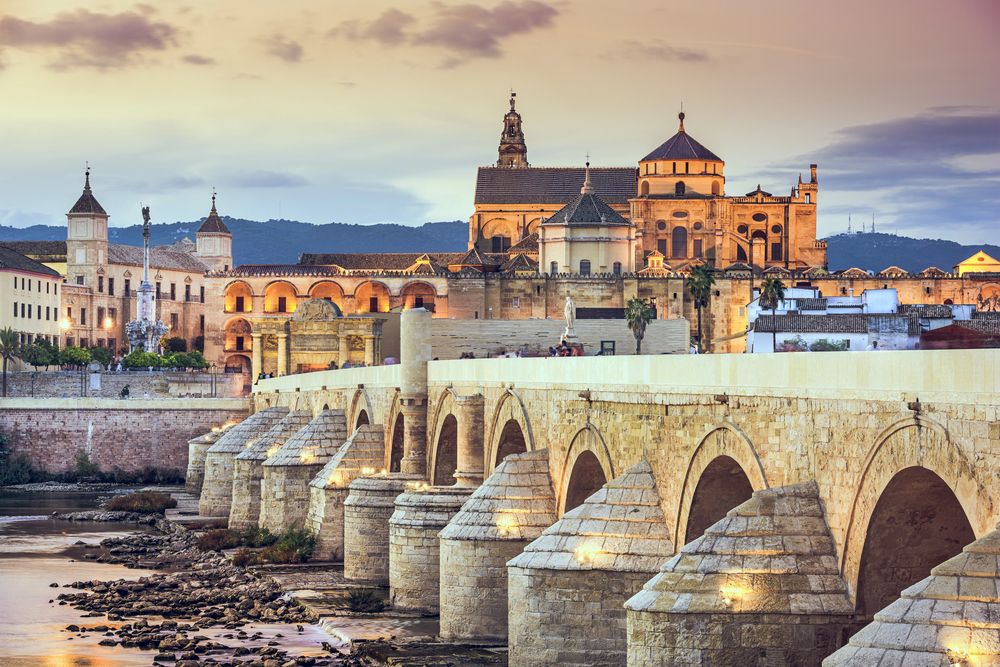
Ronda’s Muslim heritage shares similarities with the historic architecture of Córdoba Spain.
Some key elements from this period include:
- The construction of the Alcazaba, a fortress that still stands today, demonstrating the Moors’ military architecture.
- The development of stunning water systems, including the irrigation channels known as acequias, essential for agriculture in the region.
- The preservation of architecture, evident in structures like the Baños Árabes, bathhouses that highlight the cultural importance of cleanliness and socialising in Moorish life.
During this time, Ronda flourished in trade, culture, and education, seen in its thriving centres of learning, which attracted scholars and merchants alike.
Ronda in Modern Times
After 1485, Ronda Spain underwent significant changes as it assimilated into the Kingdom of Spain.
The town became an important centre for agriculture, particularly in wine production and olive cultivation.
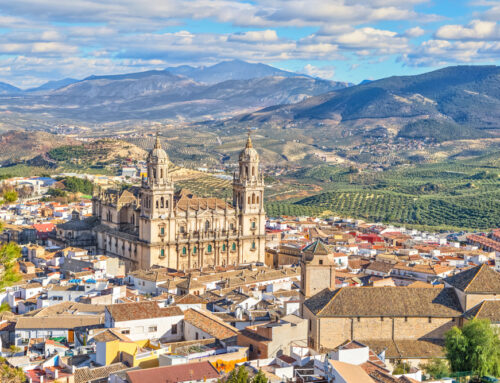
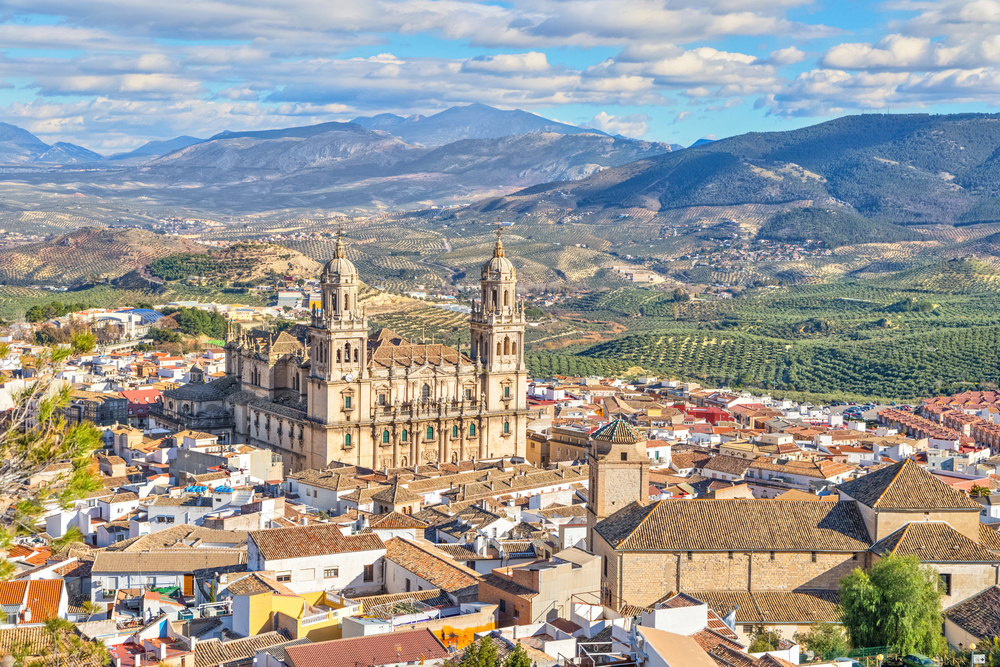
This agricultural tradition is also very present in provinces such as Jaen Spain, known for its olive oil production.
In more recent times, Ronda has become a popular destination for tourists seeking to explore its rich heritage and stunning landscapes.
The development of modern amenities has made it accessible while preserving its historical charm.
Today, Ronda stands as a testament to its enduring legacy, showcasing a blend of cultures that continues to attract visitors from around the globe.
Iconic Landmarks in Ronda
Ronda Spain is located inland, in the province of Malaga, a bit more than one hour away from the well-known coastal area Costa del Sol Spain.
Ronda is renowned for its stunning landmarks that reflect its rich history and unique culture.
Those who visit Granada Spain are also often attracted by the historical heritage of Ronda.
Each site tells a story that adds to the allure of this beautiful town.
The Puente Nuevo
The Puente Nuevo, or “New Bridge,” is perhaps the most famous landmark in Ronda Spain.
Completed in 1793, this monumental stone bridge spans the El Tajo gorge, connecting the old and new parts of the town.
Standing at 98 metres high, it offers breathtaking views of the surrounding landscape and the dramatic cliffs below.
The architectural style of the bridge showcases a Neoclassical influence, featuring three large arches that support the structure.
Visitors often marvel at its intricate stonework and the breathtaking scenery that frames it.
It is an ideal spot for photography, particularly at sunrise and sunset when the light casts a golden hue over the stones.
The Old Town
The Old Town of Ronda is a captivating area that reflects the town’s rich historical tapestry.
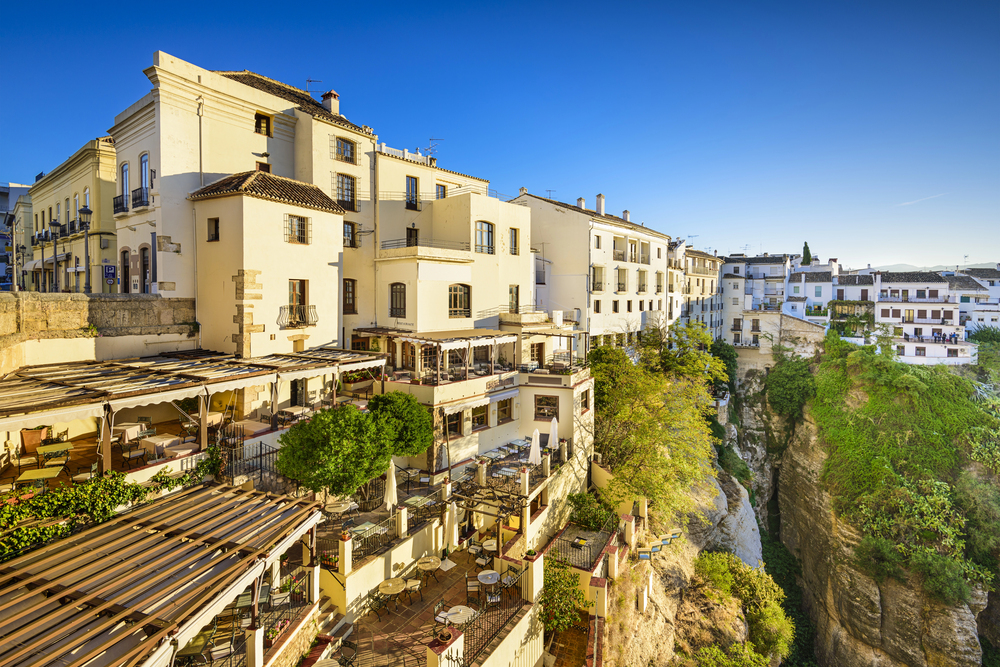
Characterised by narrow, winding streets, it boasts an array of charming whitewashed buildings adorned with colourful flowers.
This area is a delight for those who appreciate traditional Andalusian architecture.
Within the Old Town, visitors can discover plazas filled with lively tapas bars and shops selling local crafts.
The historic atmosphere is further enhanced by iconic landmarks such as the Church of Santa Maria la Mayor.
Wandering through the cobbled streets allows one to absorb the culture and spirit of Ronda Spain.
The Natural Beauty of Ronda
Ronda boasts stunning landscapes and natural wonders, making it a paradise for nature enthusiasts.
This section highlights the remarkable features that characterise this enchanting town.
The El Tajo Gorge
The El Tajo Gorge divides Ronda Spain and is a dramatic ravine that plunges over 120 metres deep.
This natural wonder offers breathtaking views and is formed by the flowing waters of the Guadalevín River.
Walking along the edges provides spectacular panoramas of the surrounding landscape.
Visitors can explore various vantage points, including:
- Mirador de Ronda: A popular lookout offering unparalleled views of the gorge and the Puente Nuevo bridge.
- Plaza de España: A beautiful square where one can enjoy the beauty of the gorge while surrounded by lush gardens.
Sierra de las Nieves Natural Park
Nestled near Ronda Spain, the Sierra de las Nieves Natural Park is a UNESCO Biosphere Reserve.
This mountainous region is home to diverse wildlife, stunning flora, and several hiking trails that cater to walkers of all levels.
The park is particularly known for its unique geographical features, including limestone formations and deep ravines.
Key highlights of the park include:
- La Torrecilla: The highest peak in the park, offering rugged terrain and panoramic views.
- Wildlife sightings: Look out for species such as the Spanish ibex, wild boar, and various bird species.
Local Flora and Fauna
The diversity of the landscape around Ronda supports a rich variety of plant and animal life.
The area’s Mediterranean climate contributes to the growth of unique species, including:
- Olive trees: These iconic trees thrive in the region, often seen dotting the hillsides.
- Wildflowers: In spring, the landscape bursts into colour with vibrant blossoms.
Additionally, Ronda’s natural habitats provide a haven for a range of wildlife, contributing to the area’s ecological significance.
The blend of natural beauty, rich biodiversity, and cultural heritage makes Ronda Spain a remarkable destination for those seeking to connect with nature.
Experiencing Local Culture
Ronda offers a vibrant cultural landscape that reflects its rich history and local traditions.
The Andalusian festive atmosphere is reminiscent of historic cities like Cádiz Spain.
Visitors can immerse themselves in festive events and savour traditional culinary experiences, making the most of their time in this enchanting town.
Festivals and Traditions
The cultural calendar of Ronda Spain is filled with vibrant festivals, each celebrated with enthusiasm and passion.
One of the most significant events is the Feria de Ronda, held in September.
This week-long celebration features lively music, traditional dances, and plenty of local food and drink.
The streets come alive with colourful decorations, and both locals and visitors participate in the festivities.
Another notable tradition is Semana Santa (Holy Week), which sees solemn processions that reflect the town’s deep religious roots.
Participants dress in traditional robes, and the atmosphere is both reverential and captivating.
The experience allows visitors to witness the unique blend of spirituality and culture that characterises this special time in Ronda Spain.
Religious celebrations also maintain a very present essence in Seville Spain.
Culinary Delights
The gastronomy of Ronda is a delightful reflection of Andalusian culture, featuring a mix of traditional recipes and local ingredients.
The emphasis on fresh, regional produce contributes to the unique flavours that define the local cuisine.
One popular dish is ‘salmorejo’, a refreshing cold tomato soup, which is perfect for warm days.
Wine and Olive Oil Tastings
Ronda Spain is situated in a region known for its high-quality wines and olive oils.
Several local wineries offer tours and tastings, allowing visitors to indulge in the rich flavours of the area.
The surrounding landscape is dotted with olive groves, and many establishments also provide olive oil tastings that highlight the importance of this product in Andalusian cuisine.
These culinary experiences not only tantalise the taste buds but also offer insights into the traditions and practices that shape the local food culture.
Ronda’s Climate and Weather
Ronda enjoys a Mediterranean climate characterized by hot summers and mild winters, making it a pleasant destination year-round.
The sunny climate of the region is reminiscent of the coastal areas of Almería Spain.
Weather conditions can influence the experiences available, from outdoor adventures to cultural explorations.
Seasonal Weather Patterns
Ronda Spain experiences four distinct seasons, each offering unique weather patterns:
-
Spring (March to May)
Springtime in Ronda brings mild temperatures ranging from 15°C to 25°C. The landscape flourishes with blooming flowers, making it a picturesque time for hiking and outdoor activities.
-
Summer (June to August)
Summers are typically hot, with temperatures often exceeding 30°C. This season attracts many tourists, and the long days provide ample opportunity for sightseeing and enjoying local festivals.
-
Autumn (September to November)
Autumn sees a gradual cooling, with temperatures between 20°C and 28°C. The stunning autumn foliage enhances the beauty of the countryside, drawing nature enthusiasts for walks and excursions.
-
Winter (December to February)
Winters are mild, with average temperatures ranging from 5°C to 15°C. While some rain is expected, clear sunny days still occur, and the scenery remains captivating, making it an excellent time for cultural visits.
Best Times to Visit
The optimal times to visit Ronda Spain depend on personal preferences for weather and activities:
- Spring and Autumn are particularly appealing for those looking to explore without the summer crowds. Mild temperatures and vibrant landscapes create ideal conditions for walking tours.
- Summer, while hot, offers a lively atmosphere with local events and festivals, although visitors should be prepared for high temperatures and potential day excursions to cooler locations.
- Winter can be a serene time to visit, perfect for those who prefer fewer tourists and a more laid-back experience, combined with opportunities for cultural immersion.
Travelling to Ronda Spain
Reaching Ronda is a straightforward process, whether arriving by car, bus, or train.
The journey offers picturesque views of the Spanish countryside and is a delightful prelude to the experiences awaiting in this stunning town.
Getting There
Accessing Ronda can be achieved through various modes of transport.
The nearest major airport is in Malaga Spain, which serves numerous international flights.
- By Car: Driving from Malaga to Ronda takes around an hour and a half. The route is well signposted, and the roads are generally in good condition, providing a scenic journey through the mountains.
- By Bus: Regular buses connect Ronda to Malaga and other Andalusian cities. The bus service is efficient, and tickets can usually be reserved online or purchased at the station.
- By Train: Although Ronda is not directly served by high-speed trains, it has a rail connection with nearby towns. Visitors can take a train to Antequera and switch to a bus for the final leg of the journey.
Accommodation Options
Ronda Spain offers a variety of accommodation choices to suit different budgets and preferences.
From luxurious hotels to cosy guesthouses, there are ample places to stay while exploring the region.
Hotels
Numerous hotels in Ronda provide exceptional amenities and services.
Many are located in historic buildings, offering a charming atmosphere combined with modern comforts.
Visitors will find options ranging from boutique hotels to larger chains, ensuring a comfortable stay.
Bed and Breakfasts
For a more intimate experience, several bed and breakfasts are available throughout Ronda Spain.
These typically offer personalised service, home-cooked breakfasts, and a chance to connect with local hosts who can provide insights into the culture and history of the area.
Yours Free
Please click / tap on the image below:
Outdoor Activities and Adventures
Ronda offers a wealth of outdoor pursuits, making it an ideal destination for adventurers.
The dramatic landscape provides numerous opportunities for hiking, climbing, and cycling, ensuring an exhilarating experience for all.
Hiking and Walking Trails
The hiking trails around Ronda Spain range from easy strolls to challenging hikes, catering to various fitness levels.
Trails often wind through stunning scenery, including lush valleys and rugged mountains.
Popular routes include:
- The Camino de los Muellecillos, which offers breathtaking views of the El Tajo Gorge.
- The Ronda to Cueva del Gato path, leading to a beautiful natural cave and pool.
- The Montejaque route, which meanders through traditional Andalusian countryside.
Rock Climbing
The cliffs around Ronda are renowned for their excellent rock climbing opportunities.
Climbers of all abilities can find suitable routes, from beginner-friendly ascents to advanced challenges.
Key climbing areas include:
- The limestone crags near the Borjaba Valley, which offer varied difficulties.
- The walls of El Tajo, providing both sport and traditional climbing routes.
- Self-guided climbs and local guided tours are available for those seeking expert insight.
Cycling Routes
Cycling enthusiasts can explore Ronda’s scenic routes that cater to both mountain and road cyclists.
The area features a range of terrains, from flat roads to steep trails. Notable cycling routes include:
- The route from Ronda to Setenil de las Bodegas, famous for its unique cave houses.
- The loop around Sierra de las Nieves, which showcases rich wildlife and panoramic views.
- Paths suited for families offer a leisurely way to enjoy the landscape while engaging in outdoor activity.
Day Trips from Ronda Spain
Ronda’s strategic location makes it an excellent base for exploring the surrounding region.
Many travelers traveling through Andalusia from Huelva Spain to Malaga include Ronda in their itinerary.
A range of picturesque villages and breathtaking countryside awaits just a short journey away.
Visiting Nearby Villages
The allure of nearby villages is one of the highlights of any trip to Ronda Spain.
Each destination boasts its unique charm and history, contributing to the rich tapestry of Andalusian culture.
-
Grazalema
Known for its stunning natural beauty, Grazalema is nestled within the Sierra de Grazalema Natural Park. This village is famous for its whitewashed houses and offers excellent hiking opportunities.
-
Setenil de las Bodegas
This unique village is situated beneath massive rocks, providing a breathtaking backdrop. Its narrow streets and cave houses make it a fascinating place for exploration.
-
Casares
Perched on a hilltop, Casares features impressive views of the surrounding landscape. The village is home to historic sites, including an ancient castle and charming Andalusian architecture.
Exploring Andalusian Countryside
The Andalusian countryside surrounding Ronda Spain is dotted with vineyards, olive groves, and rolling hills.
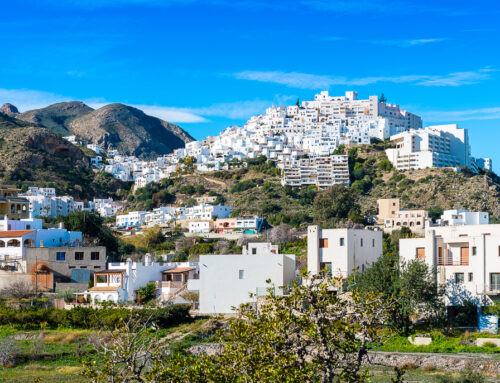
As in Mojacar Spain, many of these towns preserve the traditional Andalusian essence.
Exploring this landscape offers insights into traditional farming practices and spectacular vistas.
-
Wine Tours
Vineyards near Ronda Spain produce exceptional wines. Many offer tours and tastings, showcasing the local grape varieties and winemaking techniques.
-
Olive Oil Tours
Olive groves are prevalent in this region, and several producers offer guided tours. Visitors can learn about the olive oil extraction process and sample high-quality oils.
-
Scenic Drives
Taking a leisurely drive through the countryside provides stunning views. The mountainous roads offer numerous opportunities to stop and enjoy the picturesque landscapes.
Tips for Travellers
For those considering a visit, understanding local customs and practical information is essential to ensure a smooth experience.
Here are some valuable tips for navigating your journey effectively.
Language and Communication
The official language in Ronda is Spanish.
While many people in the tourism sector may speak basic English, learning a few phrases in Spanish can significantly enhance communication.
This shows respect for the local culture and can often lead to more enjoyable interactions.
Consider familiarising yourself with the following key phrases:
- Hola (Hello)
- Gracias (Thank you)
- Por favor (Please)
- ¿Cuánto cuesta? (How much does it cost?)
- Disculpe, ¿dónde está…? (Excuse me, where is…?)
Currency and Costs
The currency used in Ronda Spain is the Euro.
Visitors should be aware of the cost of living, which, while generally cheaper than major European cities, can vary depending on the season.
Accommodation, dining, and activities often have different price ranges, and it is advisable to budget accordingly.
Here are some average costs you might encounter:
- A meal in a mid-range restaurant: €15-€25
- Entrance to attractions: €5-€10
- Accommodation per night: €50-€150, depending on the type of lodging
Safety and Local Etiquette
Ronda is recognised for its safety, with low crime rates compared to many other tourist destinations.
However, it is still wise to remain vigilant, especially in crowded areas.
Maintaining local etiquette is also important for a respectful visit.
Key customs to observe include:
- Always greet with a polite “Hola” when entering shops or restaurants.
- It’s customary to give a light handshake while greeting, especially in formal settings.
Understanding and respecting local practices will enrich the travel experience.
Being aware of these tips can aid in creating memorable moments during the stay.
Yours Free
Please click / tap on the image below:
If you would like to read about other important points for living / moving to Spain, here are other useful articles we wrote: