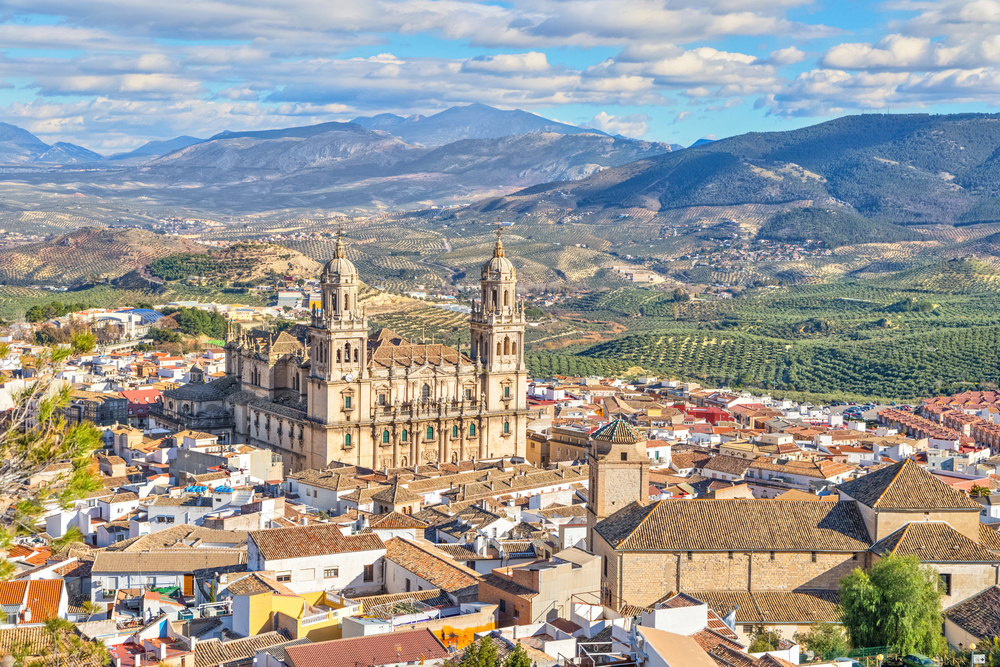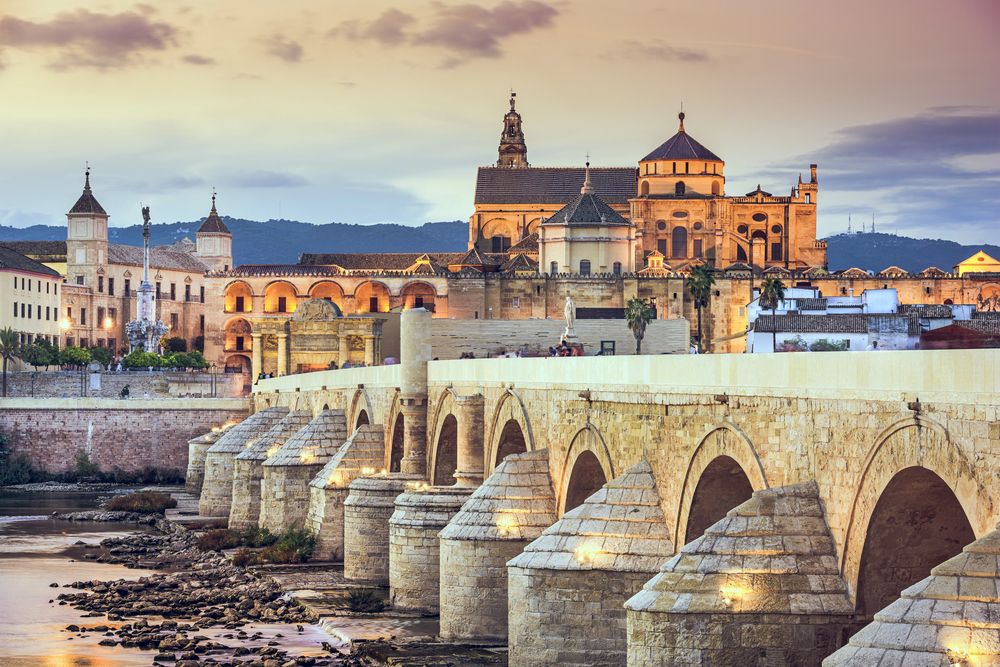
Córdoba, a historic city in southern Spain, is known for its rich cultural heritage and stunning architecture.
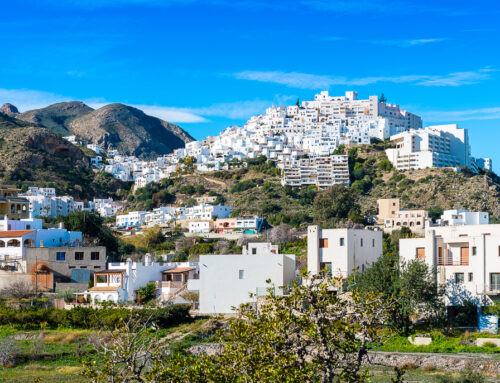
Just like in Mojácar Spain, Córdoba combines tradition, culture and a strong Andalusian identity.
With influences from various civilisations, it offers a unique blend of history, art, and tradition.
The city is home to notable landmarks such as the Mosque-Cathedral and the Alcázar.
Córdoba also hosts vibrant festivals that reflect its cultural significance, making it an attractive destination for visitors exploring Andalusia Spain.

Before we start… Yours Free
Please click / tap on the image below:

History of Cordoba Spain
The history of Córdoba is a fascinating tale of diverse cultures, conflicts, and a remarkable evolution that has shaped this magnificent city over millennia.
From the charming courtyards of Córdoba to the exotic gardens of the Alhambra in Granada Spain, Andalusia reveals its historical beauty.
Prehistoric Beginnings
The region surrounding Córdoba has been inhabited since prehistoric times, with archaeological evidence indicating human presence as far back as 42,000 to 35,000 years ago.
Neanderthal remains and tools have been found, reflecting the area’s significance in early human habitation.
As time progressed, communities began to settle, laying the groundwork for what would become a prominent urban centre.
Córdoba, steeped in Islamic history, contrasts with the maritime charm of Cadiz Spain on Spain’s Atlantic coast.
Roman Influence
Córdoba gained prominence following the Roman conquest in 206 BC.
Under Roman rule, it flourished as a vital administrative capital of the province of Hispania Bética.
Known then as Corduba, the city was renowned for its architectural advancements and as a centre of culture and commerce.
The Romans constructed impressive structures, including temples, theatres, and extensive road networks that linked Córdoba with other parts of the empire.
Significant remnants of this period can still be seen today, highlighting its importance during antiquity.
Visigothic Era
Following the decline of Roman power, Córdoba came under Visigothic control in the 5th century.
This era was marked by political instability, with the city witnessing a series of power struggles and conflicts.
While the Visigoths had a significant influence on the region, the cultural and architectural heritage from Roman times remained prevalent.
The notable shift in governance, however, set the stage for the following Muslim conquest.
Under Umayyad Rule
The pivotal moment in Córdoba’s history occurred with the Muslim conquest in 711 AD, leading to the establishment of Muslim rule and a flourishing period for the city.
Rise as a Cultural Centre
Under the Umayyad Caliphate, Córdoba blossomed into one of the most culturally advanced cities in Europe.
It became a beacon of learning and innovation during the Middle Ages, attracting scholars, philosophers, and artists.
The city’s libraries were filled with texts from various disciplines, ranging from medicine to philosophy, making it a critical hub for intellectual exchange.
By the 10th century, it was one of the largest cities in Europe, a cosmopolitan centre where diverse cultures coalesced.
Córdoba, known for its architectural marvels, contrasts with the agricultural richness of Murcia Spain further south.
Architectural Developments
This period also heralded extensive architectural ventures.
One of the most significant achievements was the construction of the Great Mosque of Córdoba, a masterpiece of Islamic architecture renowned for its stunning arches and intricate mosaics.
Other structures, such as palaces and gardens were developed, showcasing the affluent lifestyle of the era.
The architectural legacy from Islamic rule remains one of the city’s most treasured characteristics.
While Córdoba preserves its ancient mosques, Alicante Spain offers a modern backdrop alongside its white sandy beaches.
Christian Reconquest
The Christian Reconquista marked a significant transformation for Córdoba, with the city being captured by King Ferdinand III in 1236.
This event led to substantial changes in the urban landscape and the religious orientation of the city.
Córdoba was integrated into the Kingdom of Castile and experienced a decline in its previous multicultural environment.
The reconquest resulted in the repurposing of many Islamic structures for Christian use.
The Great Mosque was converted into a cathedral, symbolising this shift.
Despite the changes, traces of its Islamic past continued to influence the city, creating a rich tapestry of history that would be appreciated by generations to come.
Geography and Climate
Córdoba boasts a unique geographical setting and a distinctive climate that contribute to its character.
Many travelers explore Andalusia from Huelva Spain to Cordoba to discover its cultural diversity.
Located in the southern part of Spain, this city has effectively embraced its natural surroundings and climate variations.
Location in Andalusia
The city of Córdoba is strategically positioned in the heart of Andalusia, a region known for its rich history and diverse landscapes.
It lies along the banks of the Guadalquivir River, which has played a pivotal role in shaping its development throughout the centuries.
The geographical coordinates of Córdoba are approximately 37.9° N latitude and 4.8° W longitude, placing it roughly 130 kilometres northeast of Seville Spain and about 180 kilometres southeast of Madrid.
Such a location enhances its accessibility, making it a central hub for both tourism and commerce within the region.
Climate Characteristics
Córdoba experiences a Mediterranean climate, characterized by hot summers and mild winters.
The warm and sunny climate of Cordoba is reminiscent of that of Mediterranean provinces such as Almeria Spain.
The climatic conditions shape not only the city’s architecture and lifestyle but also its agriculture and outdoor activities.
Understanding the specifics of its climate is essential for appreciating the rhythm of life in this Andalusian city.
Summer Temperatures
Summer in Córdoba is notably intense, with temperatures frequently soaring.
From June to August, average high temperatures can reach up to 36–37°C (97–99°F). The heat often leads to dry conditions, and the city experiences very little rainfall during these months.
Residents and visitors alike adapt to the warmth by enjoying leisure activities in the cooler hours of the morning and evening.
Winter Weather
Conversely, winters are much cooler and more comfortable.
From December to February, average high temperatures typically range from 13 to 17°C (55 to 63°F).
While night temperatures can drop markedly, with occasional frosts, the days remain relatively mild and sunny.
Rainfall is more likely during these months, contributing to the lush greenery that characterises the natural scenery.
The moderate winter climate allows for various activities and is preferred by many tourists looking to avoid the summer heat.
Architectural Highlights
The architectural landscape of Córdoba is a testament to its rich and diverse history.
From its Moorish heritage to its Christian reconstructions, the city’s buildings reflect a blend of styles that narrate the story of its cultural evolution.
The Mosque-Cathedral
Historical Significance
The Mosque-Cathedral of Córdoba, also known as La Mezquita, is one of the most magnificent monuments in Spain.
Originally constructed as a mosque in the 8th century, it became a cathedral after the Christian Reconquest in the 13th century.
This transformation highlights the city’s religious transitions and the significance of La Mezquita as both a place of worship and a symbol of cultural identity.
Córdoba, renowned for its Moorish heritage, contrasts with modernity of Valencia Spain on Spain’s eastern coast.
Architectural Features
Characterised by its stunning horseshoe arches and intricate mosaics, the Mosque-Cathedral embodies Islamic architectural brilliance.
The forest of columns, made from a variety of materials including marble and jasper, creates an awe-inspiring atmosphere.
The blending of Moorish and Renaissance styles is evident in its later modifications, especially in the grand altar and the choir.
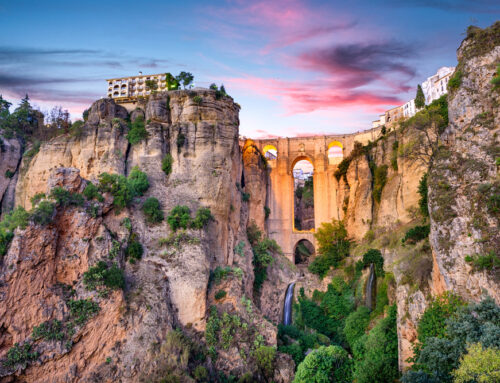
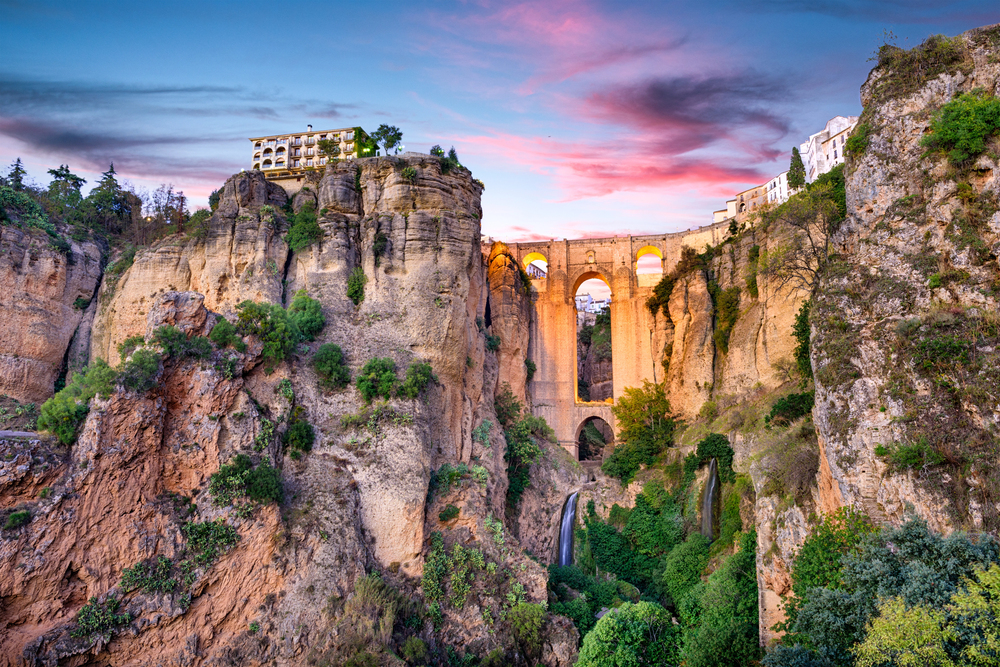
The monumental charm of Cordoba shares similarities with historic cities like Ronda Spain, known for its heritage and unique landscapes.
The Alcázar of the Christian Monarchs
Historical Background
The Alcázar served as a royal palace for the Catholic Monarchs, Isabel and Ferdinand.
Built upon the ruins of a Muslim fortress, this impressive structure reflects both Moorish and Christian architectural influences.
The site has witnessed crucial historical events, including the Spanish Inquisition and the approval of Columbus’s voyages to the New World.
Gardens and Interiors
The Alcázar is renowned for its beautiful gardens, displaying a remarkable blend of Islamic design and Renaissance aesthetics.
The lush greenery, fountains, and carefully arranged flowers create a serene atmosphere. Inside, the magnificent rooms are adorned with intricate tile work, reflecting the city’s artistic heritage.
The Roman Bridge
The Roman Bridge of Córdoba, spanning the Guadalquivir River, dates back to the 1st century BC.
This iconic structure provides a striking connection between the city and its historical past.
Initially built for military purposes, it has served as an important route for trade and travel throughout centuries.
Today, it is a popular pedestrian walkway that offers picturesque views of the cityscape.
Medina Azahara
Located just outside Córdoba, the archaeological site of Medina Azahara was a magnificent palatial city established in the 10th century during the height of the Umayyad Caliphate.
Covering an extensive area, it reflects the grandeur of Islamic architecture.
The ruins reveal intricate decorations and urban planning, showcasing the sophistication of its time.
Although much of it lies in ruins, efforts to restore and excavate the site provide insight into this once-flourishing city.
Jewish Quarter
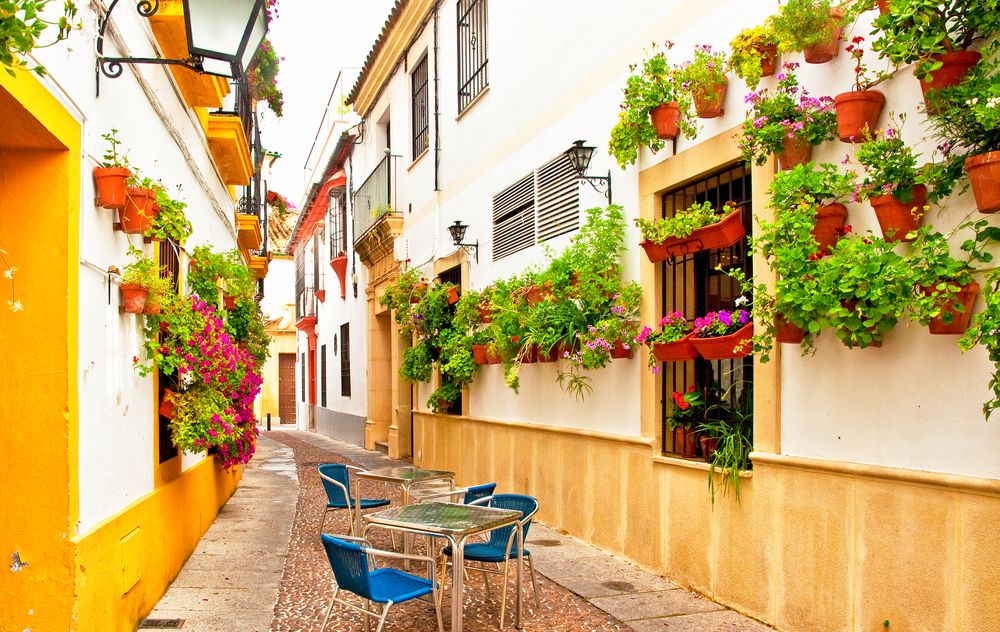
The Jewish Quarter, or Judería, is a historic neighbourhood that showcases Córdoba’s diverse cultural influences.
With its narrow, winding streets and whitewashed buildings, the area is home to several important sites, including the historic synagogue and traditional Andalusian patios.
The architecture here reflects the coexistence of different faiths and cultures during the medieval period, making it a compelling aspect of Córdoba’s architectural heritage.
Córdoba’s cultural and heritage sites reflect its diverse history and the rich tapestry of influences that have shaped the city over centuries.
From UNESCO World Heritage Sites to vibrant museums and lively festivals, these attractions provide a deep insight into the local traditions and artistic achievements.
Cultural and Heritage Sites
UNESCO World Heritage Sites
Córdoba is home to several UNESCO World Heritage Sites that showcase its historical significance and architectural marvels.
These designated locations not only illustrate the city’s historical context but also contribute to its status as a prominent cultural destination.
Museums of Córdoba
The museums in Córdoba serve as custodians of the city’s cultural heritage and artistic legacy.
They offer an array of exhibitions that span various periods, showcasing the intricate history and art of the region.
Fine Arts Museum
The Fine Arts Museum of Córdoba holds a remarkable collection that traces the evolution of art within the region.
Situated in a former convent, the museum boasts artworks from the medieval period to the modern era, including notable pieces by renowned Spanish artists.
Visitors can explore various styles, from Baroque to Romanticism, that reflect both local and national artistic movements.
The museum also hosts temporary exhibitions, enriching the cultural landscape of Córdoba.
Archaeological Museum
The Archaeological Museum displays artefacts from Córdoba’s extensive past, ranging from prehistoric times to the Islamic period.
Located in a beautiful historic building, the collection features items that illustrate the city’s significant role throughout history.
Exhibitions include Roman mosaics, busts, and everyday items that give insight into the lives of ancient inhabitants.
The museum aims to educate the public about Córdoba’s archaeological richness and the importance of preservation.
Festivals and Celebrations
The cultural fabric of Córdoba is beautifully showcased through its lively festivals, which attract locals and tourists alike.
These events celebrate the city’s unique traditions and create an atmosphere of joy and community spirit.
Yours Free
Please click / tap on the image below:
The Courtyards Festival
The Courtyards Festival, known as the ‘Fiesta de los Patios’, is a splendid display of floral decoration and local artistry.
Taking place each May, residents open their charming courtyards for public viewing, adorned with vibrant flowers and intricate designs.
This festival not only offers a visual feast but also celebrates local craftsmanship and community pride.
It has been recognised as an Intangible Cultural Heritage by UNESCO, highlighting its importance in preserving traditions.
The Feria de Córdoba
The Feria de Córdoba, held in May, is a lively fair that encapsulates the essence of Andalusian culture.
The event features traditional music, dance, and local cuisine, creating an enchanting atmosphere that attracts thousands of visitors every year.
Throughout the fair, colourful tents filled with people dancing flamenco and enjoying tapas typify the region’s zest for life.
The week’s festivities are a testament to Córdoba’s vibrant cultural identity, deeply rooted in tradition.
Transport and Accessibility
Córdoba is well-connected, making it an accessible destination for travellers.
The transport options available include trains, roads, and proximity to airports, facilitating smooth movement within the city and towards other significant locations in Spain.
Córdoba Train Station
The main railway hub in Córdoba serves as a key point of entry for visitors arriving from various parts of Spain.
It is strategically located, enabling easy access to the city’s attractions.
Connections to Major Cities
Córdoba Train Station offers high-speed AVE connections to major cities, enhancing travel efficiency.
Some of the notable routes include:
- Direct trains to Madrid, which take approximately 1 hour and 40 minutes.
- Frequent services to Seville, typically lasting around 45 minutes.
- Connections to Málaga Spain, providing access to the coastal region in about 1 hour and 30 minutes.
These services ensure that Córdoba remains accessible and encourages tourism by linking it to larger urban centres.
Road and Motorway Links
Córdoba is positioned at the intersection of several key motorways, making it easy for travellers to reach the city by car.
The extensive road network allows access from nearby cities and regions.
- The A-4 motorway connects Córdoba to Madrid and Seville, facilitating swift travel.
- The A-45 motorway links Córdoba with Málaga, providing a direct route to the coast.
- Local roads and regional connections further enhance accessibility, making driving an appealing choice for those exploring Andalusia.
The well-maintained roads contribute to the city’s accessibility for both local commuters and visitors alike, fostering a vibrant environment for tourism and business.
Closest Airports
For air travel, Córdoba is conveniently located near several airports, which serve domestic and international flights.
This accessibility is vital for visitors arriving from abroad or other parts of Spain.
- Córdoba Airport, located just a short distance from the city centre, offers limited flights mainly to regional destinations.
- Seville Airport is approximately 130 km away and is the primary airport for international flights, providing extensive connectivity.
- Málaga Airport, around 180 km from Córdoba, is another accessible option with numerous international connections.
The proximity of these airports enhances Córdoba’s appeal, ensuring ease of access for arriving visitors and facilitating travel throughout the region.
Cuisine and Gastronomy
The culinary landscape of Córdoba is a vibrant tapestry woven from its rich history and diverse cultural influences.
The city’s cuisine reflects a blend of Mediterranean flavours and traditions that have evolved over centuries.
Notable for its tapas and local specialities, Córdoba offers a delightful gastronomic experience.
Traditional Dishes
Tapas and Specialities
Córdoba boasts a wide range of traditional dishes that are an integral part of its identity.
Tapas, small savoury dishes, are particularly popular and are enjoyed in social settings.
These bite-sized delights encourage sharing and conversation, making them a staple in local culture.
- Salmorejo: A chilled tomato soup, thicker than gazpacho, garnished with hard-boiled eggs and jamón (cured Spanish ham).
- Flamenquín: A dish consisting of meat, usually pork, wrapped in ham and deep-fried, providing a crispy exterior and tender filling.
- Rabo de toro: A slow-cooked oxtail stew, rich in flavour and a testament to Córdoba’s culinary tradition.
- Tortilla de patatas: A quintessential Spanish omelette made with potatoes and onions, perfect for a light meal or tapas.
Influence of History on Cuisine
The historical influences in Córdoba’s cuisine reflect its diverse past.
The intersection of cultures over the centuries has enriched local cooking techniques and flavour profiles.
Roman, Islamic, and Jewish traditions have all left an indelible mark on Gastronomy.
- The use of spices, introduced during the Muslim occupation, adds depth to many dishes.
- Ingredients such as chickpeas and almonds are prevalent, stemming from Jewish culinary practices.
- Fiesta recipes have seasonal ties, celebrating the agricultural calendar and local harvests.
Local Wines and Olive Oils
The region around Córdoba is renowned for its high-quality olive oil and wines, both integral to local gastronomy.
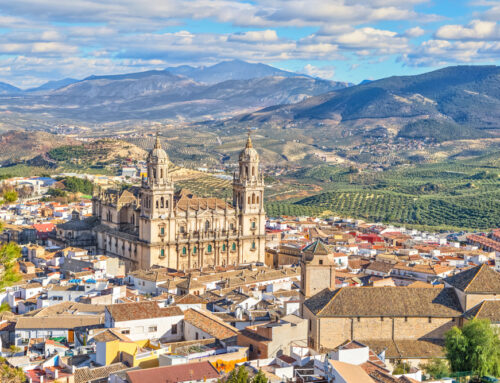
Much of the olive oil used in local cuisine comes from nearby provinces such as Jaén Spain.
The olive oil produced here is often considered among the finest in the world, with its rich, fruity flavour enhancing many dishes.
- Olive Oil: Spanish extra virgin olive oils, particularly from the local varieties of olives, are celebrated for their robust flavour and health benefits.
- Local Wines: The Montilla-Moriles wine region produces exceptional white wines, primarily from the Pedro Ximénez grape, renowned for their sweetness and complex flavour profiles.
Notable Personalities from Córdoba
Córdoba has been a cradle for many influential figures throughout its rich history.
The city’s diverse cultural heritage has shaped the lives and works of numerous philosophers, poets, and artists, each contributing significantly to various fields.
Philosophers and Thinkers
Seneca
Seneca, a prominent Stoic philosopher, was born in Córdoba around 4 BC.
His philosophical writings, particularly on ethics and morality, have left a profound impact on Western thought.
As an advisor to Emperor Nero, he not only influenced political matters but also shaped the philosophical landscape of his time.
His works, including “Letters to Lucilius,” provide insights into Stoic philosophy and the importance of rationality, virtue, and the acceptance of fate.
Seneca’s connection to Córdoba highlights the city’s historical significance as a centre of intellectual thought.
His legacy continues to be studied and revered in contemporary philosophical discourse.
Maimonides
Maimonides, also known as Moses ben Maimon, was born in Córdoba in 1135.
He is one of the most influential Jewish philosophers and theologians in history. Maimonides’ works, such as “The Guide for the Perplexed,” engage with a range of philosophical issues, merging Jewish theology with Aristotelian thought.
His contributions to philosophy, law, and medicine have had a lasting impact on both Jewish and Islamic scholarship.
Not only did Maimonides serve as a court physician in Egypt, but his ideas also shaped the intellectual landscape of the medieval period.
His teachings on ethics, faith, and reason continue to resonate, showcasing his significant role in the cultural fabric of Córdoba.
Poets and Artists
Luis de Góngora
Luis de Góngora, born in 1561 in Córdoba, was a major figure of the Spanish Baroque literature.
He is renowned for his intricate poetic style and is often associated with the concept of “culteranismo,” which emphasises the use of elaborate language and complex metaphors.
Góngora’s celebrated works, including “La Fábula de Polifemo y Galatea,” illustrate his mastery of language and his ability to convey deep emotional and thematic richness.
Góngora’s influence extends beyond his lifetime, impacting subsequent generations of poets and writers.
His innovative approach to poetry reflects the vibrant artistic spirit of Córdoba during the Golden Age of Spain, cementing his position as one of the great masters of Spanish literature.
Urban Development and Modernity
The landscape of Córdoba has undergone significant transformation, reflecting both economic prosperity and a commitment to preserving its historical legacy.
This vibrant city blends modernity with its rich history, ensuring that growth aligns with its cultural identity.
Economic Growth
Córdoba has witnessed substantial economic development in recent years, driven primarily by tourism, agriculture, and the technological sector.
As a city with a rich historical backdrop, it has become a prime destination for international visitors seeking to explore its architecture and cultural events.
The local economy has benefited immensely from this influx, creating job opportunities and stimulating various sectors.
- The tourism industry has expanded, with new hotels, restaurants, and attractions emerging to cater to a growing number of visitors.
- Investment in infrastructure, including improved public transport and road networks, has facilitated easier access to the city.
- A emphasis on sustainable tourism initiatives aims to protect the environment while boosting economic growth.
- The agricultural sector remains vital, with Córdoba’s renowned olive oil and wine production contributing significantly to its economy.
Moreover, the local government has implemented various policies promoting entrepreneurship, particularly in technology and innovation.
This strategy has led to the establishment of business incubators and support initiatives for start-ups, enhancing Córdoba’s reputation as a centre for modern enterprise.
Preservation of Historical Areas
Despite urban development, Córdoba prioritises the preservation of its historical areas.
The city is home to numerous UNESCO World Heritage Sites, and great care is taken to maintain their integrity amidst modernisation efforts.
Regulations are in place to ensure that any new construction respects the city’s historical context.
- Ongoing restoration projects aim to conserve landmarks such as the Mosque-Cathedral and the Alcázar, ensuring their structural and cultural significance is upheld.
- The city council actively promotes heritage tourism, educating visitors about the importance of its historical sites while encouraging responsible tourism practices.
- A balance is struck between developing urban infrastructure and protecting the unique character of the old town, where narrow streets and traditional architecture create a distinctive atmosphere.
Public spaces have also been revitalised, enhancing community life while ensuring their historical essence is not compromised.
This approach illustrates Córdoba’s dedication to retaining its cultural heritage while embracing the benefits of modernisation.
Exploring Córdoba Today
Córdoba today is a vibrant city that merges its rich history with modern attractions.
Visitors can explore a variety of sites that showcase the city’s cultural heritage while enjoying contemporary experiences.
Tourist Attractions
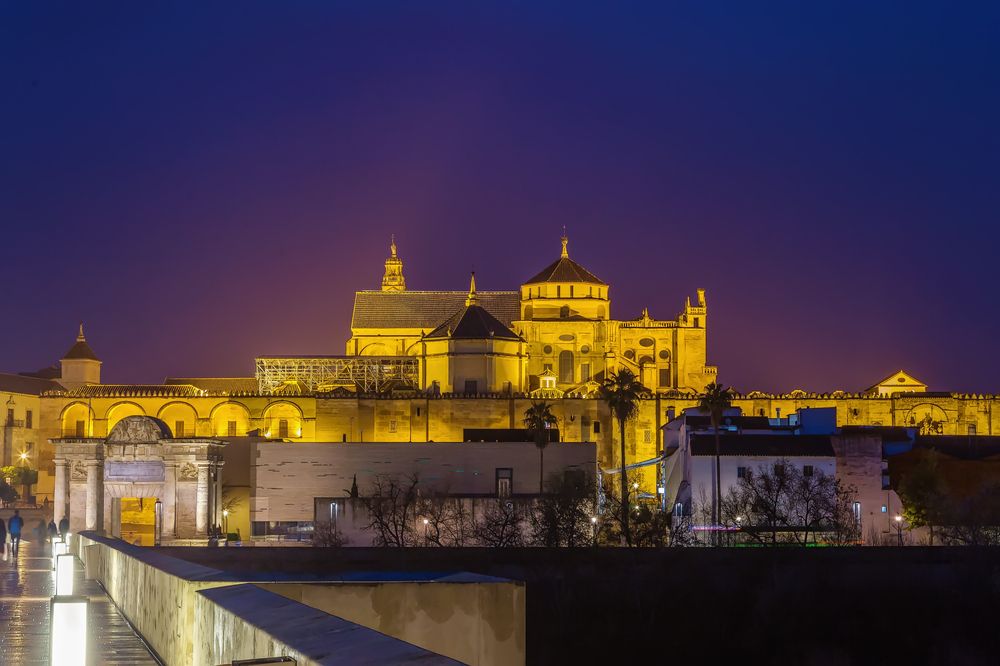
The city offers numerous attractions that highlight its historical significance and architectural beauty.
Some of the most notable tourist spots include:
-
The Roman Bridge
This ancient bridge over the Guadalquivir River is a remarkable example of Roman engineering.
Originally constructed in the first century BC, it provides picturesque views and a lovely walkway into the old town.
-
The Alcázar of the Christian Monarchs
This historic palace features impressive gardens and serves as a reminder of the city’s Islamic past and Christian reconquest.
Visitors can wander through its lush gardens and marvel at the beautifully preserved architecture.
-
Mezquita-Catedral
A UNESCO World Heritage Site, this magnificent structure reflects the city’s diverse religious history.
Initially built as a mosque, it showcases stunning Islamic architecture alongside Christian modifications made after the Reconquista.
-
Medina Azahara
Located just outside Córdoba, this archaeological site of a former Islamic city offers insight into the grandeur of the Umayyad period.
Its ruins tell tales of a bygone era filled with opulence and cultural achievements.
-
The Jewish Quarter
This historic neighbourhood, known as La Judería, is characterised by its narrow, winding streets filled with enchanting patios and patios.
Key sites include the ancient synagogue and traditional Andalusian architecture.
Guided Tours and Experiences
To fully appreciate the charm of Córdoba, guided tours are an excellent option.
These tours not only provide extensive knowledge about the city’s history, but they also allow visitors to connect with local culture.
-
Walking Tours
Exploring Córdoba on foot allows for a personal experience.
Various guided walking tours are available, focusing on different themes such as history, architecture, or local cuisine.
-
Flamenco Shows
The vibrant flamenco culture is deeply rooted in Córdoba.
Visitors can attend authentic flamenco performances, often held in traditional venues, to experience this passionate art form firsthand.
-
Culinary Tours
Food enthusiasts can participate in culinary tours that introduce them to Córdoba’s rich gastronomic traditions.
These tours often include tastings of local dishes and wines, as well as visits to markets and tapas bars.
-
Bicycle Tours
For those seeking an active approach, bicycle tours provide a fun way to see the city.
Participants can cycle through scenic routes, covering more ground while enjoying the landscape and architecture of Córdoba.
Córdoba’s Surrounding Nature
The natural landscapes surrounding Córdoba offer a stunning contrast to the city’s historical architecture.
This region boasts diverse ecosystems, dramatic mountains, and the iconic Guadalquivir River, creating an environment rich for exploration and recreation.
The Sierra Morena
The Sierra Morena mountain range lies to the north and west of Córdoba.
This vast area is known for its rugged terrain, lush forests, and varied wildlife.
It serves as a natural barrier between the fertile plains of Andalusia and the Central Plateau of Spain.
Home to numerous hiking trails, the Sierra Morena allows adventurers to immerse themselves in the region’s natural beauty.
The landscapes here are characterised by Mediterranean vegetation, including holm oaks, pines, and firs, providing habitats for deer, wild boar, and various bird species.
The Guadalquivir River
The Guadalquivir River is the lifeblood of Córdoba, flowing through the heart of the city.
This river, which has historically served as a vital route for trade and transport, facilitates various outdoor activities and provides stunning views along its banks.
Activities and Recreation
The river is ideal for a variety of recreational pursuits.
Opportunities for kayaking and canoeing are available, offering unique perspectives of Córdoba’s skyline and its rich historical landmarks.
Strolling or cycling along the riverside paths is a serene way to appreciate the natural environment.
The surrounding areas feature parks and green spaces, perfect for picnics or relaxation amidst nature.
Birdwatching is also popular here.
The river’s wetlands attract diverse avian species, providing the opportunity to see herons, kingfishers, and ducks.
Early morning or late afternoon is the best time for this activity, as wildlife is most active at these times.
- Kayaking and canoeing on the Guadalquivir
- Walking and cycling along riverside paths
- Picnicking in green spaces
- Birdwatching in wetlands
In essence, both the Sierra Morena and the Guadalquivir River enhance Córdoba’s appeal, offering visitors the chance to explore the varied landscapes and engage in numerous outdoor activities.
The combination of natural beauty and historical significance makes this area a remarkable destination for nature enthusiasts and cultural explorers alike.
Frequently Asked Questions About Córdoba
This section addresses common enquiries regarding Córdoba, focusing on the best times to visit and practical travel tips.
Best Time to Visit
Córdoba enjoys a Mediterranean climate, making it a year-round destination, although certain periods are particularly favourable for visitors.
-
Spring (March to June):
Spring is arguably the best time to experience Córdoba.
The weather is mild and pleasant, ideal for exploring the city’s numerous outdoor attractions.
Notably, the famous Patios Festival occurs in May, showcasing the city’s picturesque flower-filled courtyards.
-
Autumn (September to November):
Autumn offers similar weather conditions to spring, with the added benefit of fewer tourists.
This is an excellent time for those wishing to enjoy a quieter experience, while still taking part in local festivals and events.
-
Summer (July to August):
Summers in Córdoba can be exceedingly hot, with temperatures often exceeding 37°C.
However, this season appeals to those who enjoy vibrant nightlife and many cultural events, although sensible precautions for heat should be taken.
-
Winter (December to February):
Winters in Córdoba are generally mild, although temperatures can drop at night.
This season sees fewer visitors, providing a more intimate experience of the city.
The festive atmosphere during Christmas attracts many to its beautiful decorations and local traditions.
Tips for Travelling in Córdoba
To fully enjoy the experience in Córdoba, various practical tips can enhance comfort and ensure a more enjoyable visit.
-
Public Transport:
Córdoba is well-connected by public transport.
The city features an efficient bus network that covers important sites and neighborhoods, facilitating movement without the need for a car.
-
Walking:
The historical centre is compact and pedestrian-friendly.
Exploring on foot allows a more personal encounter with its stunning architecture and hidden gems.
-
Local Customs:
Understanding local customs can enrich the visit.
Mealtimes in Spain are notably later than in the UK, with lunch typically served between 2 pm and 4 pm, and dinner from 9 pm onwards.
-
Language:
While Spanish is the primary language, many individuals in the tourist sector speak English.
However, learning a few basic Spanish phrases can be beneficial and appreciated by locals.
-
Safety:
Córdoba is generally a safe place for tourists.
Standard precautions should be taken, such as being aware of personal belongings, particularly in crowded areas.
Yours Free
Please click / tap on the image below:
If you would like to read about other important points for living / moving to Spain, here are other useful articles we wrote: