Huelva is a city in southwestern Spain, known for its rich history and cultural heritage.
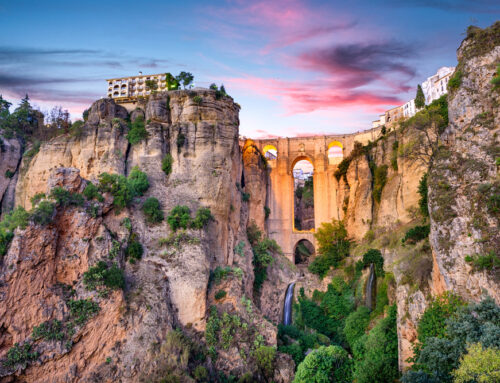
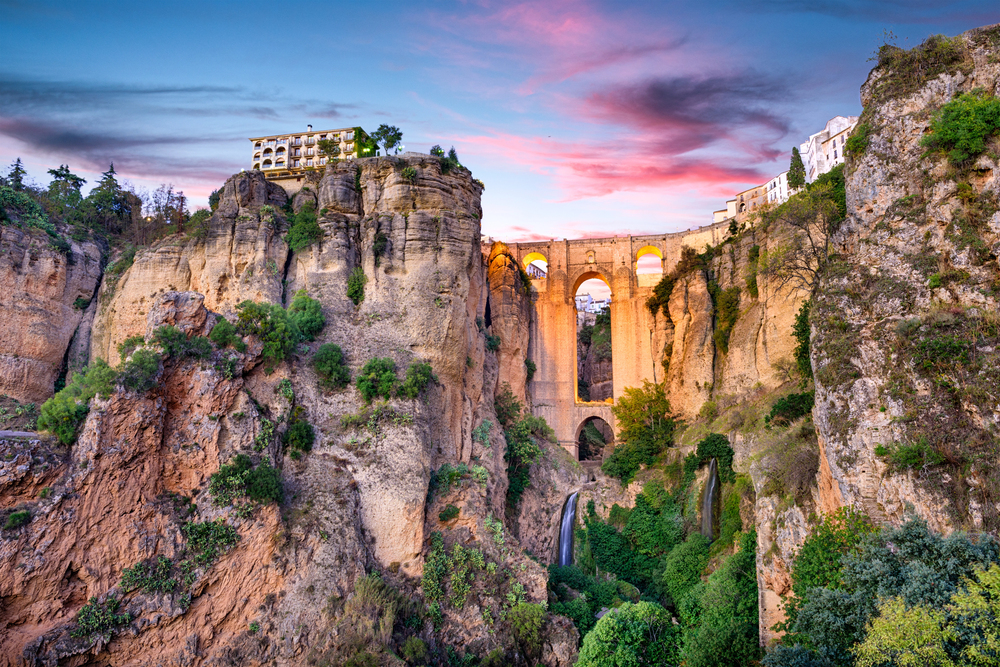
Huelva is around 220km away from Ronda Spain.
It has origins dating back to pre-historic times and has been influenced by various civilizations, including the Phoenicians, Romans, and Moors.
The city is also recognized for its stunning natural landscapes, including beautiful beaches along the Costa de la Luz.
Huelva combines historical significance with vibrant traditions, making it a unique destination in the Andalusian region.
Andalusia Spain is a region rich in history and culture, and in Huelva you can discover a great variety of monuments and historical buildings.

Before we start… Yours Free
Spain 101 is a free ebook full of unique tips that will save you thousands of Euros when moving to / living in Spain.
Would you like to get it now?
Please click / tap on the image below:

Historical Overview of Huelva
The historical panorama of Huelva is rich and diverse, shaped by its strategic location and the various cultures that have inhabited the region over the millennia.
Understanding the evolution of Huelva entails examining its ancient settlements, significant cultures, and impactful events throughout history.
The city of Almería Spain is a popular tourist destination, but in Huelva you can also discover a rich history and culture.
Pre-Phoenician Settlements
The history of Huelva traces back to pre-fenician times.
Evidence suggests that the area was occupied by various groups as early as 1250 B.C.
Archaeological findings reveal settlements that thrived due to their proximity to the Atlantic Ocean.
These early inhabitants engaged in activities such as fishing, gathering, and trading with neighboring regions.
Phoenician and Roman Influence
Huelva began to flourish with the arrival of the Phoenicians around the 9th century B.C.
They established the trading post known as ʿunʿu baʿl, which became pivotal for commercial exchanges.
The Phoenicians capitalized on Huelva’s natural resources, trading silver, copper, and dyed textiles.
Later, during the Roman period, the city was known as Onuba Aestuaria and became an important administrative and commercial center within the province of Hispania Bætica.
Roman developments in infrastructure, such as roads and ports, facilitated trade and strengthened Huelva’s economic status.
Significant archaeological remnants, including coins minted in Onuba, highlight its prosperity during this era.
From Muslim Rule to Christian Conquest
The Islamic conquest of the Iberian Peninsula in the 8th century introduced a new cultural and political landscape.
Under Muslim rule, Huelva, referred to as Walba, became a notable center of agriculture and commerce.
The city experienced a period of growth and cultural exchange, enriched by influences from North Africa and the Middle East.
However, the Christian Reconquista began to reclaim territories in the 13th century, culminating in Huelva’s conquest in 1262 by King Alfonso X.
Following the capture, the city was integrated into the Kingdom of Castile, which brought about significant social and political changes.
Huelva retained its importance as a trading port, although it changed hands repeatedly during subsequent conflicts.
The Impact of Mining in the 19th Century
The 19th century witnessed significant industrial transformation in Huelva, primarily driven by mining activities.
The discovery and exploitation of rich mineral deposits in nearby Riotinto led to the establishment of one of the first large-scale industrial mining operations in Spain.
This mining boom not only attracted workers from various regions but also contributed significantly to the local economy.
The mining industry altered Huelva’s landscape and social fabric, fostering a new working class while also posing environmental challenges.
The legacy of mining remains visible in the city, influencing its development and culture well into the modern era.
Geography and Climate
The geography and climate of Huelva plays a significant role in shaping its landscape, agriculture, and lifestyle.
Located in a region blessed with natural beauty and moderate weather, Huelva offers diverse environments, from coastal areas to inland mountains.
Location and Landscape

Huelva is strategically positioned between two major river estuaries, the Odiel and the Tinto, on the southwestern tip of the Iberian Peninsula.
It is bordered to the south by the Atlantic Ocean, which influences both its climate and economic activities.
The city’s landscape is a blend of urban areas, agricultural lands, and natural reserves.
The coastline features beautiful beaches, such as Mazagón and Matalascañas, known for their fine sands and vibrant ecosystems.
Additionally, the proximity to the Sierra de Aracena adds a mountainous backdrop, offering a contrast to the coastal plains.
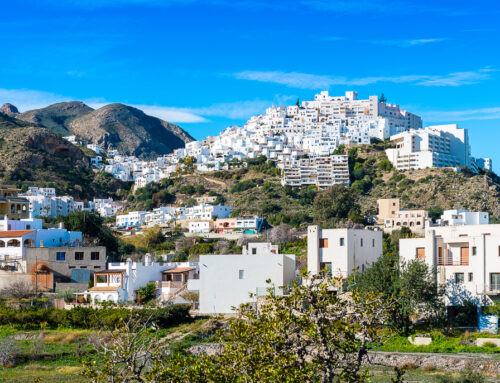
The city of Mojácar Spain is a popular tourist destination for beach and nature lovers, but in Huelva you can also discover a rich history and culture.
Mediterranean Climate Characteristics
The climate in Huelva is classified as Mediterranean, characterized by hot, dry summers and mild, wet winters.
This climatic condition is particularly conducive to agriculture, allowing for the cultivation of a variety of crops.
- Summer temperatures can soar above 30°C, making it a popular destination for beachgoers.
- Winters remain mild, with average temperatures around 10-15°C, facilitating outdoor activities year-round.
The rainfall pattern follows a distinct seasonal cycle, with the majority of precipitation occurring from late autumn to early spring.
This leads to lush landscapes during the wetter months, while the summer months witness a dryness that encourages water conservation measures.
This unique climate supports a rich biodiversity, contributing to the region’s natural reserves, including the renowned Doñana National Park.
The interplay of geography and climate in Huelva is essential for sustaining its agricultural practices and natural beauty.
Demographics and Population
The demographics of Huelva reflect a rich tapestry of cultural influences and historical development.
The population is characterized by a mix of urban and rural settings, displaying significant cultural diversity and varying population densities across different areas.
Málaga Spain is around 308km away from Huelva.
Population Statistics
The province of Huelva had an estimated population of around 483,792 inhabitants as of the latest census data.
Approximately 30% of this population resides in the capital city, Huelva, which indicates a relatively low density in comparison to other major Andalusian cities.
Population distribution within the province varies, with larger municipalities attracting more residents and smaller towns preserving a quieter lifestyle.
The population figures also reveal fluctuations over the years, influenced by factors such as economic opportunities, migration trends, and local policies.
Rural areas often experience depopulation, while urban centers see a continuous influx of people seeking employment and educational prospects.
Cultural Diversity within the Province
Huelva’s population is composed of a diverse array of cultural and ethnic backgrounds.
This diversity stems from historical migrations and the region’s strategic position as a trade hub.
The integration of various cultures has created a vibrant local identity characterized by shared traditions and cuisines.
Key aspects of cultural diversity include:
- Historical Migration: Over the centuries, Huelva has seen various waves of migration, contributing to the melting pot of cultures. From the Phoenicians to more recent settlers, each group has left an indelible mark on the local culture.
- Regional Traditions: The province celebrates numerous traditional festivals that reflect its cultural heterogeneity. Events such as the Romería de El Rocío showcase not only religious devotion but also the blend of different customs and practices.
- Languages Spoken: While Spanish is predominantly spoken, there are communities within Huelva that maintain their linguistic heritage, adding to the linguistic diversity of the region.
This cultural richness not only enhances the local lifestyle but also attracts visitors who are eager to experience the unique blend of traditions that define Huelva.
Key Tourist Attractions
Huelva is home to a rich tapestry of tourist attractions that highlight its natural beauty and historical significance.
From magnificent beaches to captivating historical sites, the city offers diverse experiences that cater to all interests.
Beaches of the Costa de la Luz
The Costa de la Luz, renowned for its stunning beaches, is a significant draw for both local and international visitors.
Pristine sands and crystal-clear waters provide an idyllic setting for relaxation and water activities.
The Granada Spain coast is famous for its dreamy beaches, but in Huelva you can also enjoy a great variety of beaches and coves.
-
Mazagón
Mazagón boasts a long stretch of golden sand, making it an ideal location for sunbathing and swimming.
The beach is well-equipped with amenities, including beach bars and rental services for umbrellas and loungers.
Its natural environment is perfect for family outings.
-
Matalascañas
Matalascañas is another popular beach known for its vibrant atmosphere.
Situated near the entrance to the Doñana National Park, this beach provides not only stunning views but also opportunities for water sports like windsurfing and kitesurfing.
The sunsets here are particularly breathtaking.
-
Islantilla
Islantilla features a large, well-preserved beach that attracts visitors with its soft sands and gentle waves.
The area is surrounded by golf courses and luxury resorts, making it a favorite for those seeking a bit of glamour alongside their beach experience.
-
Isla Canela
Renowned for its natural beauty, Isla Canela showcases lovely beaches with a laid-back vibe.
It is an ideal spot for those who prefer a quieter beach experience.
The area is also popular for birdwatching due to its proximity to various natural reserves.
Historical Sites and Monuments
The historical significance of Huelva is reflected in its numerous monuments and sites that capture the essence of its past.
Visitors can explore these landmarks and gain insight into the city’s rich heritage.
-
Iglesia de la Merced
This church is an architectural gem, representing a mix of styles ranging from Mudéjar to Baroque.
It serves not only as a religious site but also as a cultural landmark, illustrating the history of Huelva through its art and architecture.
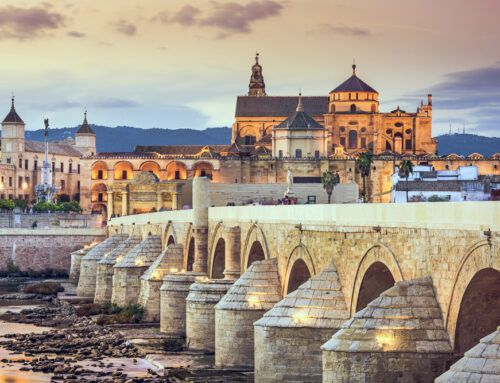
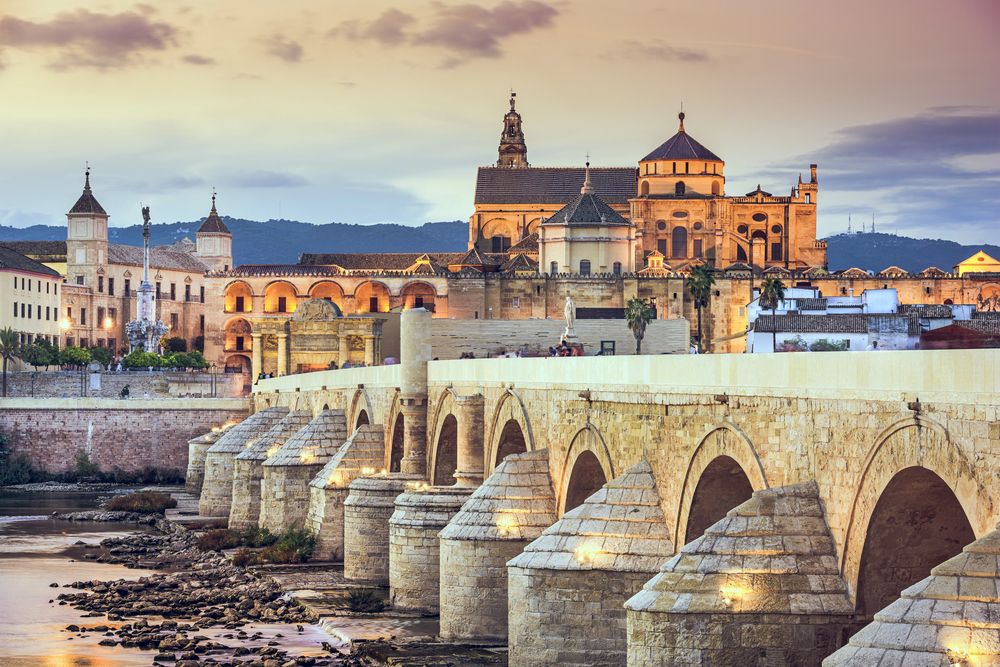
If you liked the Mezquita of Córdoba Spain, don’t miss the Cathedral of Huelva, a architectural jewel that also has a rich history.
-
Monasterio de La Rábida
Located in Palos de la Frontera, the Monastery of La Rábida is closely associated with Christopher Columbus.
The monastery is a historical site where Columbus received crucial support for his 1492 expedition.
Its tranquil gardens and exhibition areas enrich the visitor experience.
-
La Cinta Sanctuary
The Sanctuary of Nuestra Señora de la Cinta is an essential pilgrimage site, rich in local tradition.
The stunning architecture coupled with the serene surroundings allows visitors to experience the spiritual side of Huelva’s culture.
-
Plaza de las Monjas
This vibrant square serves as the heart of Huelva, surrounded by historical buildings and a bustling atmosphere.
It is a perfect spot for those wanting to immerse themselves in Huelva’s daily life while enjoying a coffee or tapas at one of the many nearby cafés.
Natural Wonders
The province of Huelva is home to a variety of breathtaking natural wonders that showcase its rich biodiversity and stunning landscapes.
From wetlands and national parks to mountains and impressive caves, these natural attractions offer unique experiences for nature enthusiasts.
Doñana National Park
Doñana National Park is one of Europe’s most important wetlands and a UNESCO World Heritage Site.
Located at the mouth of the Guadalquivir River, this park boasts a diverse array of ecosystems, including marshes, sandy dunes, and Mediterranean forests.
It plays a crucial role as a habitat for numerous species of flora and fauna, many of which are endemic or threatened.
- The park is particularly renowned for its birdlife. It serves as a vital stopover point for migratory birds traveling between Europe and Africa, hosting thousands of species, including the iconic Spanish Imperial Eagle and the vibrant flamingos.
- Visitors can explore the park through designated trails and guided tours that provide insight into its ecological significance and conservation efforts. The scenic beauty of Doñana attracts photographers, birdwatchers, and nature lovers from across the globe.
Sierra de Aracena and Picos de Aroche
The Sierra de Aracena and Picos de Aroche Natural Park presents a captivating landscape characterized by rolling hills, dense forests, and splendid mountain ranges.
This area is rich in biodiversity and offers impressive views that change with the seasons.
- Known for its chestnut groves and the famous Iberian pigs, the park embodies traditional rural life. Visitors can partake in culinary experiences that showcase local products, including the renowned Jamón Ibérico.
- This region is ideal for outdoor activities such as hiking, with multiple trails suitable for varying levels of experience. The trails often lead to picturesque rural villages that reflect the cultural heritage of the region.
The Gruta de las Maravillas
The Gruta de las Maravillas, or Caves of Wonders, is one of Spain’s most remarkable natural caves, located in the town of Aracena.
Discovered in the 19th century, these caves are celebrated for their stunning stalactite and stalagmite formations.
- The guided tours take visitors through spectacular chambers adorned with impressive rock formations and underground rivers. The play of light within the cave creates an enchanting atmosphere that captivates everyone who visits.
- Efforts have been made to preserve this natural gem, ensuring that future generations can appreciate its beauty and geological significance. The Gruta de las Maravillas stands as a testament to the natural wonders that shape the landscape of Huelva.
Cultural Routes and Heritage
The cultural routes of Huelva are a vibrant tapestry woven from history, tradition, and significant historical figures.
This region’s unique heritage is reflected in its monuments, towns, and local festivities.
The city of Cádiz Spain is a popular tourist destination, but in Huelva you can also discover a rich history and culture.
The Legacy of Christopher Columbus
The historical significance of Christopher Columbus resonates deeply in Huelva, particularly in towns closely associated with his voyages. Columbus made pivotal preparations for his expeditions in this region.
Among the most notable sites is the Monastery of La Rábida, where Columbus sought support for his plans to sail westward.
This site not only stands as a monument to the Age of Discovery but also acts as a centre for education and cultural exchange, hosting numerous events and educational programmes focused on maritime history.
Towns of Palos de la Frontera and Moguer
Palos de la Frontera and Moguer are integral to the narrative of Columbus. Both towns played crucial roles in the history of exploration.
Palos, in particular, served as the departure point for Columbus’s first voyage to the Americas in 1492.
Visitors can explore the historic port of Palos, which highlights the town’s maritime heritage.
The surrounding area is rich in Andalusian architecture and offers charming cobblestone streets, which contribute to its picturesque ambiance.
Moguer, known for its vibrant literary connections, was home to the famous poet Juan Ramón Jiménez.
The town features sites like the Nuestra Señora de los Remedios Church, embodying the melding of religious and literary significance.
Religious Festivals and Traditions
The festivals in Huelva are manifestations of its rich cultural tapestry and offer insight into the local traditions.
Religious festivities, in particular, play a crucial role in the province’s social and cultural life.
One of the most notable events is the Romería de El Rocío, a pilgrimage that attracts thousands of pilgrims every spring.
The route to the village of El Rocío is filled with devotion and traditional music, celebrations, and customs that reflect the region’s spiritual heritage.
- The festival includes traditional dress, processions, and a vibrant atmosphere as communities gather in celebration.
- Another important event is the Semana Santa (Holy Week) which showcases elaborate processions and reflects the deep-rooted religious significance in the region.
These festivals not only celebrate religious traditions but also foster community spirit, showcasing Huelva’s unique cultural identity and its inhabitants’ enduring connection to their history.
Gastronomy of Huelva
The gastronomy of Huelva is a vibrant tapestry of flavors and traditions, reflecting the region’s agricultural richness and coastal bounty.
It is renowned for its high-quality products, particularly the famous Jamón Ibérico and a variety of seafood dishes that showcase the freshness of the Atlantic.
Culinary influences from different cultures and generations contribute to a diverse and delectable cuisine.
Seville Spain cuisine is famous for its tapas, but in Huelva you can also enjoy a great variety of typical Andalusian dishes.
Jamón Ibérico from Jabugo
One of the cornerstones of Huelva’s gastronomy is the exquisite Jamón Ibérico, particularly the variant produced in Jabugo.
This renowned ham is derived from the Iberian pig, a breed native to the region.
The unique environmental conditions, such as the dehesa, a temperate woodland ecosystem, provide the perfect habitat for the pigs to roam freely and feed on acorns, which imparts a distinctive flavor to the meat.
The production process of Jamón Ibérico is meticulous and traditional.
It involves a lengthy curing period that can last from 24 months to several years.
During this time, the hams develop a deep, rich flavor and a silken texture that has garnered international acclaim.
This delicacy is often served in thin slices and enjoyed as part of a charcuterie board, paired expertly with local wines and bread.
Seafood and Traditional Dishes
The proximity of Huelva to the Atlantic Ocean contributes to a seafood-rich cuisine that is both diverse and flavorful.
Fresh fish and shellfish are staples in Huelva’s diet and feature prominently in traditional dishes.
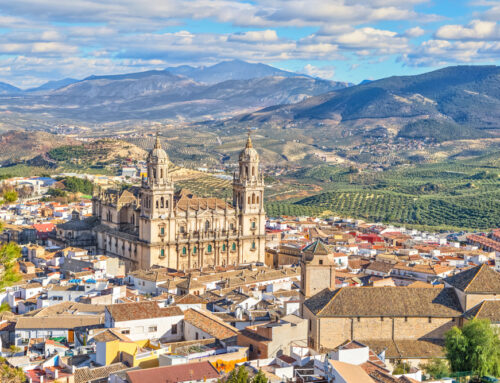
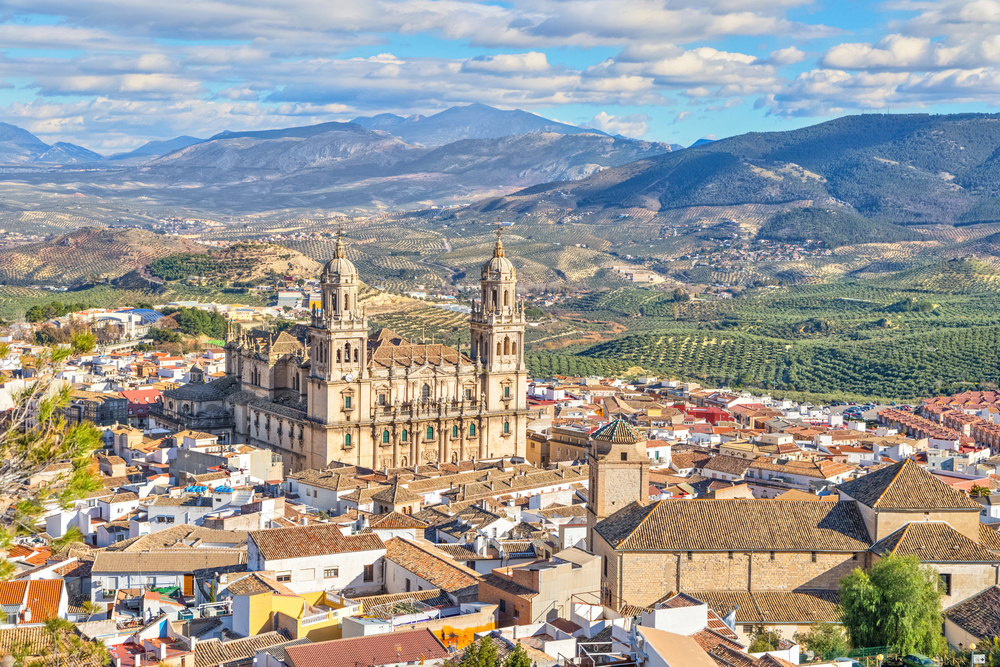
The city of Jaén Spain is famous for its wines and olive oils, but in Huelva you can also enjoy a great variety of agricultural products.
-
Fried Fish (Pescaito Frito)
This beloved dish consists of various small fish, coated in flour and deep-fried until crispy.
It is often served with a wedge of lemon and is a popular choice in beachside chiringuitos.
-
Grilled Sardines (Sardinas a la Plancha)
Grilled sardines are a classic preparation in the coastal towns of Huelva.
These fish are simply seasoned and cooked over an open flame, highlighting their natural taste.
-
Shrimps and Prawns (Gambas y Langostinos)
Fresh local shrimp, often enjoyed boiled or grilled, are another highlight.
They are typically seasoned with sea salt and served as an appetizer, allowing diners to savor their sweetness.
-
Traditional Stews (Guisos)
Huelva’s stews, particularly those featuring seafood, are hearty and comforting.
Ingredients like chickpeas, fish, and various spices combine to create rich flavors reminiscent of the region’s culinary heritage.
The contribution of local fisheries to these dishes underscores the importance of sustainable practices in preserving both the environment and the culinary traditions of Huelva.
The vibrancy of its gastronomy continues to attract food lovers, making it an integral part of the region’s cultural identity.
Tourism Development and Urban Planning
The evolution of tourism in Huelva has been shaped by careful urban planning and sustainable initiatives.
This approach balances the growth of tourism infrastructure with environmental conservation, ensuring that the natural beauty and cultural heritage of the region remain intact for future generations.
Yours Free
Spain 101 is a free ebook full of unique tips that will save you thousands of Euros when moving to / living in Spain.
Would you like to get it now?
Please click / tap on the image below:
Sustainable Growth Initiatives
Huelva’s commitment to sustainable tourism is evident in various projects aimed at promoting eco-friendly practices.
Local authorities have implemented several initiatives to foster responsible tourism that prioritizes the environment and community well-being.
- Promotion of Green Spaces: The integration of parks and green areas within urban planning enhances the quality of life for residents and provides recreational spaces for visitors.
- Eco-Friendly Transport Options: Investments in public transport and bicycle lanes reduce carbon footprints, facilitating easier access to natural attractions without community disruption.
- Support for Local Businesses: Encouraging tourists to engage with local services and products helps to sustain the economy and preserve cultural identity.
- Waste Management and Recycling Programs: Efforts to manage waste effectively and promote recycling among residents and tourists minimize environmental impact.
Punta Umbría and Coastal Development
Punta Umbría, a coastal town near Huelva, exemplifies the region’s tourism development strategy.
As a popular destination, it has seen significant growth in services and facilities catering to tourists.
This area represents a blend of natural beauty and modern amenities.
- Beach Preservation: Initiatives focus on maintaining clean and accessible beaches, safeguarding the coastline while promoting tourism.
- Infrastructure Improvements: Ongoing upgrades to roads and facilities enhance visitor experiences and support local transport networks.
- Accommodations and Amenities: The growth of hotels, restaurants, and recreational options in Punta Umbría caters to a diverse range of visitors, making it a thriving tourist hub.
- Community Involvement: Local residents are encouraged to participate in tourism-related activities, fostering a sense of ownership and pride in their cultural heritage.
Challenges and Opportunities
Huelva faces several challenges that impact its development and sustainability.
These issues intertwine with opportunities for growth, particularly in areas such as agriculture and environmental conservation.
Water Management for Agriculture
Water management is a critical issue in Huelva, primarily due to its role as a leading agricultural producer in the region.
The intensive cultivation of strawberries and other crops has raised concerns over water usage and its long-term sustainability.
This region relies heavily on both surface and groundwater sources, leading to significant pressure on local aquifers.
To address these challenges, various strategies have been proposed, including:
- Implementation of advanced irrigation techniques to minimize water waste.
- Promotion of drought-resistant crop varieties that require less water.
- Investment in infrastructure to enhance water storage and distribution systems.
- Collaboration between local farmers and governmental bodies to establish effective water management policies.
Efforts to rationalize water use not only benefit agricultural productivity but also contribute to the preservation of natural resources in the region.
Ensuring a sustainable water supply is essential for both current and future agricultural activities.
Balancing Agriculture and Environmental Conservation
As agriculture thrives, it is crucial to ensure that such development does not come at the expense of environmental integrity.
Huelva’s proximity to crucial natural areas, like Doñana National Park, underscores the need for careful planning and management to avert ecological degradation.
To strike a balance between agricultural development and environmental conservation, several approaches can be considered:
- Establishing protected areas to safeguard vital ecosystems.
- Encouraging practices that promote biodiversity and soil health, such as crop rotation and organic farming.
- Fostering awareness among farmers regarding the environmental impact of their practices and the importance of conservation efforts.
- Utilizing technological innovations to minimize environmental footprints while maximizing agricultural output.
Ultimately, the dual goals of fostering a robust agricultural sector while preserving the natural landscape present both challenges and opportunities for Huelva.
Addressing these issues is vital for sustainable progress in the region.
Contributions to Renewable Energy
Huelva has been increasingly recognized for its commitment to renewable energy initiatives.
The province has embraced various projects aimed at promoting sustainability, harnessing natural resources to contribute to a greener future.
Key areas of focus include wind and solar energy, as well as biomass conversion efforts.
Wind and Solar Energy Projects
Huelva’s geographical location provides an ideal backdrop for the development of wind and solar energy projects.
The strong winds prevalent along the coast make it suitable for wind farms, while the abundant sunshine supports solar installations.
- Wind Energy: The region has invested in several wind farms that harness the wind’s power efficiently. These facilities not only contribute to the local energy grid but also generate employment opportunities within the community.
- Solar Energy: The rise of solar energy in Huelva is evident through both large-scale solar parks and residential solar panel installations. This commitment to solar energy allows households and businesses to reduce their energy costs while promoting sustainable practices.
Biomass and Sustainability Efforts
Biomass energy plays a significant role in Huelva’s renewable energy strategy.
Utilizing agricultural waste and other organic materials, biomass initiatives contribute to the province’s energy independence and eco-friendly practices.
- Biomass Plants: Several biomass plants have been established, converting organic waste into energy. This not only aids in waste management but also provides a renewable source of energy that benefits the local economy.
- Sustainability Initiatives: Alongside biomass, Huelva encourages sustainable agricultural practices that prioritize environmental conservation. These efforts include promoting organic farming and reducing water usage in crop production.
The River Tinto and Its Significance
The River Tinto, flowing in the province of Huelva, is known for its strikingly red waters and unique ecological characteristics.
Its significance extends from its historical mining activities to its current environmental challenges.
Mining and Industrial Legacy
The River Tinto has a long history of mining that dates back to ancient times.
It was heavily mined for copper, gold, and silver, with the first major exploitation occurring during the Phoenician and Roman periods.
The rich mineral deposits in the surrounding area led to the establishment of numerous mines that contributed to both local and regional economies.
During the 19th century, the mining activity in the region reached unprecedented levels, especially with the establishment of the Riotinto Company Limited, a British-owned enterprise.
This led to significant industrial development, transforming the area into a hub of mineral extraction and processing.
The mines utilized advanced techniques for their time, which resulted in various environmental repercussions still observed today.
The remnants of this industrial era are visible along the riverbank, with old industrial structures and abandoned mining sites, serving as a testament to the region’s historical significance.
The mining legacy has shaped the identity of the area, influencing its economy, culture, and demographics over the centuries.
Environmental Considerations
The ecological state of the River Tinto is unique due to its high acidity and metal content, a result of both natural geological processes and historical mining activities.
The river is notable for its deep red color, which emanates from the iron dissolved in its waters.
This distinctive feature draws attention and raises questions about the broader environmental implications.
However, the river poses environmental challenges.
The heavy metal contamination from past mining operations has affected the surrounding ecosystems.
Various initiatives have been implemented to monitor and mitigate the ecological impact, focusing on water quality and the restoration of local habitats.
In recent years, efforts to balance industrial heritage with environmental preservation have become increasingly important.
Conservationists and local authorities are working to carefully manage land use around the river, promoting sustainable practices that protect the ecological integrity of the area while preserving its rich mining heritage.
The River Tinto serves as an essential case study in the interaction between industrial development and environmental sustainability.
Its significance is not only tied to its historical context but also to its role in contemporary discussions about ecology and conservation efforts in the region.
Huelva’s Role in Modern Spain
Huelva plays a significant role in the contemporary landscape of Spain, reflecting its administrative and economic importance.
The city’s evolution continues to shape its contributions on both local and national levels.
Administrative Importance
The city of Huelva serves as the capital of the Province of Huelva, one of the key administrative regions in Andalusia.
This position endows it with significant authority in local governance and oversight.
The provincial government, located in Huelva, manages various responsibilities, including education, health services, and infrastructure development.
Huelva’s strategic location enhances its administrative capabilities.
It acts as a vital link between inland regions and the Atlantic coast.
This positioning facilitates the implementation of various public policies aimed at regional development, urban planning, and environmental protection.
The local government prioritizes sustainable practices to address challenges like resource management and urban expansion.
Economic Contributions to the Region
The economy of Huelva is marked by a diverse range of sectors, including agriculture, tourism, industry, and renewable energy.
As one of the leading producers of berries, particularly strawberries, the agricultural sector plays a crucial role in Huelva’s economic framework.
The province is a significant contributor to the Spanish agricultural output, with its produce being exported widely, enhancing both local and national trade.
Tourism also plays a pivotal role in Huelva’s economy, attracting visitors to its historical sites, natural parks, and idyllic beaches.
The Province of Huelva is increasingly recognized as a tourist destination, which stimulates the economy through both direct and indirect job creation in hospitality, services, and recreation.
Moreover, the industrial sector, particularly mining and manufacturing, continues to influence the economic landscape.
The legacy of the mining industry, particularly in Riotinto, adds a historical dimension that complements modern industrial activities. Huelva also embraces the renewable energy sector, focusing on wind, solar, and biomass energy projects.
This shift aligns with national and international goals of sustainability, showcasing the region’s commitment to innovation and environmental stewardship.
Collectively, these economic drivers position Huelva as a crucial contributor to the overall growth of the Andalusian region and Spain as a whole, further solidifying its role in modern governance and economic activities.
Literature and the Arts
Huelva boasts a rich tradition in literature and the arts, shaped by its historical context, cultural diversity, and natural beauty.
This vibrant heritage is reflected in the works of renowned authors and the unique artistic expressions of the region.
Juan Ramón Jiménez and His Influence
Juan Ramón Jiménez, one of Spain’s most celebrated poets, was born in Moguer, a town near Huelva.
His literary contributions have significantly influenced Spanish literature and resonate with the essence of Andalusia.
Jiménez’s poetry often explores themes of nature, beauty, and the human experience, drawing inspiration from the landscapes and culture of his homeland.
His most famous work, “Platero y yo,” is a poignant narrative about the relationship between the author and his donkey, Platero.
This work encapsulates the simplicity and profoundness of rural life, reflecting both the idyllic environment of Huelva and the author’s introspective journey.
Jiménez was awarded the Nobel Prize in Literature in 1956, a testament to his lasting impact on the literary world.
Beyond his poetry, Jiménez’s legacy extends to his role as a mentor to other writers, fostering a literary community that continues to thrive in Huelva.
His birthplace has become a significant cultural landmark, attracting visitors interested in exploring his life and work.
Local Traditions in Art and Music
The artistic traditions of Huelva are deeply rooted in its history and cultural diversity.
Local artisans produce various crafts, including ceramics, textiles, and traditional flamenco attire, reflecting the region’s artistic flair.
Each craft often tells a story, intertwined with the community’s identity and heritage.
Flamenco music and dance hold a special place in Huelva’s cultural expression.
The rhythms and melodies of flamenco represent the spirit of Andalucía, captivating audiences with their passionate performances. Local festivals frequently feature flamenco shows, showcasing both established and emerging talents.
Furthermore, the annual Festival de la Música de Huelva celebrates various music genres, offering local and international artists a platform to perform.
This festival has gained prominence, drawing visitors from across Spain and beyond, eager to experience Huelva’s vibrant artistic scene.
In visual arts, Huelva is home to numerous galleries and exhibitions promoting local artists.
The convergence of traditional and contemporary art forms highlights the province’s dynamic cultural landscape and engages the community in artistic dialogue.
Yours Free
Spain 101 is a free ebook full of unique tips that will save you thousands of Euros when moving to / living in Spain.
Would you like to get it now?
Please click / tap on the image below:
If you would like to read about other important points for living / moving to Spain, here are other useful articles we wrote: