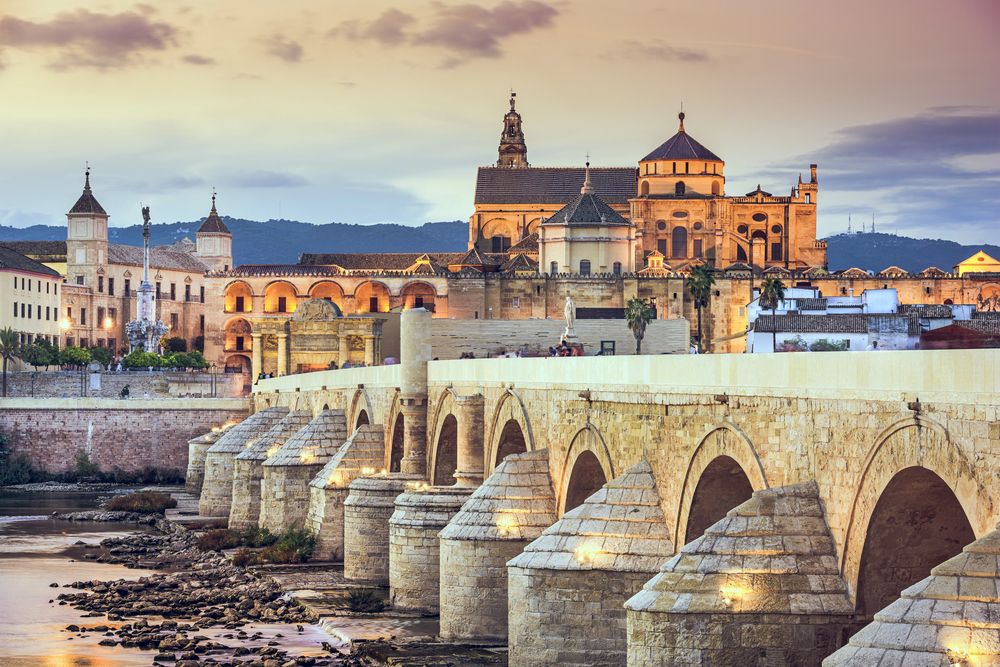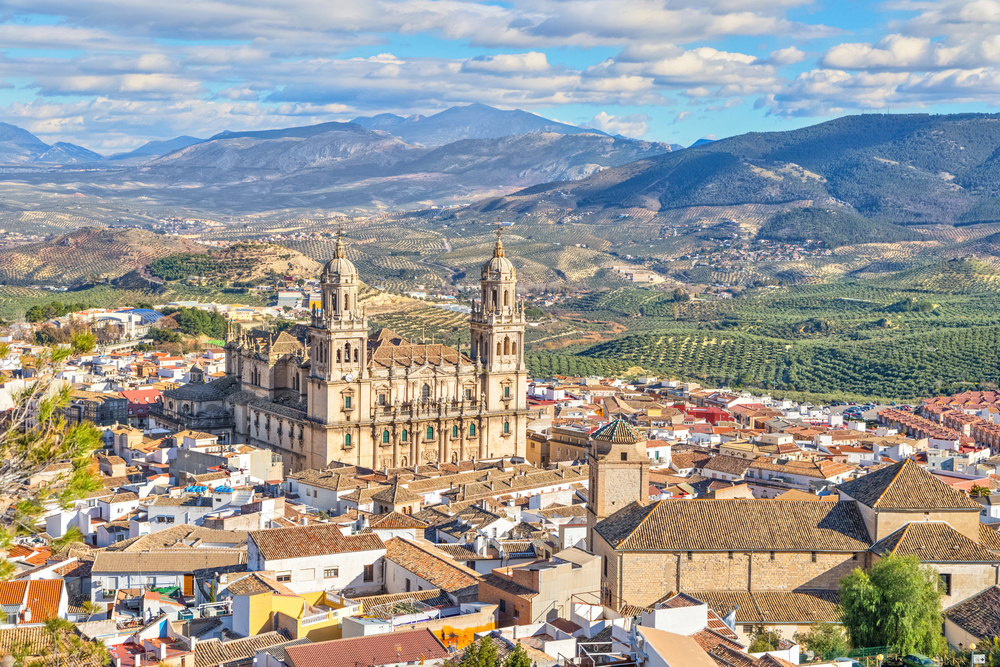
Jaén is a city in southern Spain, located in the autonomous community of Andalusia Spain.
It is known for its rich cultural heritage, historical significance, and stunning natural landscapes.
The city serves as the provincial capital and is famous for its olive oil production.
Jaén offers a unique blend of architecture, traditions, and local gastronomy that reflects its diverse history.
Discovering Jaen Spain: A Hidden Gem in Andalusia
Jaén is a city rich in natural beauty and cultural significance.
Nestled in the heart of Andalucía, it offers visitors a unique insight into the heritage and breathtaking landscapes of the region.

Before we start… Yours Free
Please click / tap on the image below:

Jaen’s Geographical Location
Jaén is strategically located in the southern part of Spain, forming part of the autonomous community of Andalucía.
Bordered by the Sierra de Cazorla, Sierra de Segura, and Sierra de Jabalcuz, the city is enveloped by stunning mountain ranges that provide a picturesque backdrop.
Its location also makes it a vital connective point between various key cities in Andalucía.
The province itself is characterized by a varied topography, including rolling hills, valleys, and extensive olive groves.
The city is situated at a height of approximately 573 meters above sea level, which contributes to its distinct climate and ecological diversity.
This geographical positioning allows for a blend of cultural influences shaped by the different peoples who have inhabited the region throughout history.
Natural Beauty: Sierra de Jabalcuz
The Sierra de Jabalcuz is one of the most notable natural attractions near Jaén. Stretching along the eastern side of the city, this mountain range is known for its lush landscapes and rich biodiversity.
The area offers numerous trails for hiking enthusiasts, allowing them to immerse themselves in the serene surroundings and observe the local flora and fauna.
Within Sierra de Jabalcuz, visitors can find several lookout points that provide breathtaking panoramic views of Jaén and the surrounding olive fields.
The rich ecosystems support various bird species, making it a prime spot for birdwatching and photography.
The mountains also offer opportunities for outdoor activities such as rock climbing and mountain biking.
Climate and Weather Patterns
Jaén experiences a Mediterranean climate characterized by hot, dry summers and mild, wet winters.
The sunny climate of southern Andalusia can also be felt in provinces like Almería Spain.
The weather patterns significantly influence not just the lifestyle of its inhabitants but also the agricultural practices in the region.
During the summer months, temperatures can reach up to 33.7 °C, necessitating various adaptations in both daily life and business operations.
Winters in Jaén are generally mild, with nighttime temperatures dropping to around 5 °C.
The rainfall is concentrated mainly in the autumn and spring, providing essential water resources for the extensive olive groves and other agricultural activities prevalent in the area.
This climate fosters a rich agricultural sector, particularly renowned for its premium olive oil production, which forms an integral part of local culture and cuisine.
Administrative Structure and Demographics
The administrative framework and demographics of Jaén contribute significantly to its identity.
Understanding these aspects offers insights into the city’s governance, population characteristics, and modern cultural identity.
Jaén as the Provincial Capital
Jaén serves as the capital of the province bearing its name, playing a crucial role in the administrative functioning of the region.
It houses the provincial government institutions and acts as the central hub for various administrative services.
This status enhances its political importance and fosters local governance.
As the provincial capital, Jaén is strategically positioned to facilitate not only administrative tasks but also economic activities.
The city supports a range of public services, including education, healthcare, and infrastructure development, making it vital for the surrounding municipalities.
Population Insights
As of recent estimates in 2020, Jaén’s population is approximately 112,757 inhabitants.
This figure accounts for a significant portion of the total provincial population, reflecting its status as a vital urban center.
The demographics exhibit a blend of traditional Andalusian culture and modern influences, characterized by:
- Age Distribution: The population includes a diverse age range, from a growing number of young families to a considerable elderly population.
- Ethnic Composition: Predominantly consisting of Spanish nationals, the city also embraces cultural diversity, with a small percentage of expatriates and immigrants contributing to the local community.
- Education Levels: A significant focus on education is evident, with various educational institutions catering to different academic needs, promoting literacy and skills development.
This demographic landscape influences local customs, traditions, and socio-economic activities, showcasing a blend of historical and contemporary influences.
The Modern-Day Jienense
The modern Jienense identity is a reflection of the city’s rich historical past and its adaptation to current cultural trends.
Residents of Jaén take pride in their cultural heritage, often participating in local traditions, festivals, and culinary practices that highlight the region’s uniqueness.
Characteristics of the modern Jienense include:
- Strong Community Ties: There is a sense of camaraderie and connection among the residents, rooted in their shared history and cultural practices.
- Engagement in Olive Oil Production: Many locals are involved in the olive oil industry, contributing to the city’s reputation as the capital of olive oil production.
- Cultural Appreciation: The Jienense often celebrate their diverse heritage through art, music, and gastronomy, fostering a vibrant cultural scene.
This multifaceted identity is integral to Jaén’s community dynamics, driving both social cohesion and local development initiatives.
The Rich History of Jaen
Jaén’s history is a tapestry woven from various cultures and epochs.
Its strategic position has attracted numerous civilizations, each leaving an indelible mark on the city and its surroundings.
Origins from Roman Times
The origins of Jaén can be traced back to ancient Roman times.
Known as Aurgi, this settlement flourished due to its strategic location and agricultural wealth.
The Romans constructed infrastructure such as roads and aqueducts, enhancing trade and communication in the region.
Remains of Roman architecture can still be discovered, revealing insights into daily life during antiquity.
Influence of Al-Andalus
The period of Al-Andalus marked a significant chapter in Jaén’s history.
Following the fall of the Roman Empire, the Visigoths and later the Muslims settled in the area, leading to profound cultural and architectural developments.
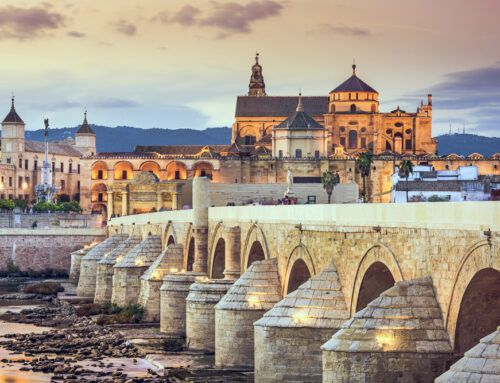
Jaén became the head of an important kūra during the Caliphate of Córdoba Spain, which allowed for extensive agricultural advancement and the flourishing of arts and sciences.
During this era, the city was fortified and its population diversified, attracting scholars, traders, and craftsmen.
Christian Conquest
The Christian conquest of Jaén took place in 1246 under the leadership of Fernando III.
This pivotal event resulted in a significant transformation of the city.
The Islamic architectural legacy was met with the construction of Gothic and Renaissance churches, marking a new beginning for Jaén.
Documents from this time indicate that the city was granted privileges, reflecting its importance within the newly established Kingdom of Castile.
The Christian influence introduced new cultural practices and traditions, which blended with the existing heritage.
Historical Significance and Titles
Jaén’s role throughout history has been underscored by its various titles and accolades.
The city holds the formal title of ‘La Muy Noble y muy Leal Ciudad de Jaén, Guarda y Defendimiento de los Reynos de Castilla,’ granted by King Enrique II of Castile.
This title highlights Jaén’s importance as a stronghold during turbulent times, particularly against incursions from the Moors.
The combination of its historical background, geographical significance, and rich cultural influences makes Jaén an exceptional testament to Spain’s diverse heritage.
Architectural Heritage of Jaen
The architectural heritage of Jaen is a testament to its rich history, showcasing influences from different cultures and epochs.
The city’s structures reflect the artistry and craftsmanship that have evolved over centuries, blending Islamic, Christian, and Renaissance styles into a unique cultural tapestry.
The Renowned Cathedral of Jaen
One of the most significant landmarks in Jaen is its cathedral, a masterpiece of Renaissance architecture.
This monumental building stands as a symbol of faith and resilience, reflecting the city’s historical importance and its role as a spiritual center.
Architectural Significance
Designed by the renowned architect Andrés de Vandelvira in the 16th century, the Cathedral of Jaen boasts a striking façade characterized by elaborate decorations and intricate details.
The exterior features a mixture of styles, blending Gothic elements with Renaissance influences, creating a visually stunning effect.
Inside, the cathedral houses remarkable artworks, including altarpieces and sculptures, which highlight the religious fervor of the time.
Its soaring vaults and spacious nave are designed to inspire awe, making it a focal point for both spirituality and tourism.
Church of San Ildefonso
The Church of San Ildefonso is another important example of Jaen’s architectural diversity.
This ecclesiastical building showcases a blend of baroque elements and traditional Spanish craftsmanship.
Its ornate interior and detailed altarpiece provide a glimpse into the artistic tendencies of the period.
Known for its impressive bell tower and unique layout, the church offers visitors an insight into the religious history of the city.
It is a site of continual worship and a gathering place for the community, enhancing its significance beyond just historical interest.
The Famous Arab Baths
Jaen is also home to one of the best-preserved examples of Islamic architecture in Spain, the Arab baths located at the Palacio de Villardompardo.
These baths represent the sophistication of Moorish engineering and culture, providing a glimpse into the social practices of the time.
Presence in the Palacio de Villardompardo
Situated within the palace, the baths feature intricate brickwork and vaulted ceilings, reflecting the architectural finesse of the period.
Visitors can walk through the various rooms of the baths, which include changing rooms, the tepidarium, and the caldarium, experiencing the elegance of this ancient bathing ritual.
Islamic Architectural Influence
The design and layout of the Arab baths in Jaen exhibit clear influences from Islamic culture, characterized by the use of geometrical patterns and water features.
This architectural heritage underscores the importance of water in Islamic tradition, which was essential for both hygiene and social interaction.
As a whole, the architectural heritage of Jaen illustrates a rich cultural narrative that has unfolded over centuries, making the city a vital repository of Spain’s history.
The Castles of Jaen Province
Jaen Province is renowned for its impressive collection of castles, each representing a rich tapestry of history and architectural styles.
These fortifications stand as testaments to the region’s strategic importance throughout various periods, particularly during the Reconquista.
Santa Catalina Castle
Peering majestically from its hilltop, Santa Catalina Castle dominates the cityscape of Jaen.
This fortress, originally constructed in the 13th century, offers a glimpse into the military might of the Christian Kingdom.
Strategic Military Importance
Santa Catalina played a crucial role in defending the region against Moorish incursions.
Its elevated position provided a vantage point that enabled surveillance of the surrounding areas.
Throughout history, the castle was a strategic stronghold for both Muslim and Christian forces, showcasing its importance in the ongoing disputes for control over the region.
Burgalimar Castle: A Moorish Legacy

Situated in the town of Baños de la Encima, Burgalimar Castle exemplifies Moorish military architecture.
Its well-preserved structures date back to the 10th century and highlight the ingenuity of Islamic engineering.
The castle’s design features typical elements of the Almohad style, characterized by thick walls and intricate battlements.
This historical site is not only an architectural marvel but also a crucial point of interest for those looking to explore the heritage of the Islamic period in Andalusia.
The Historic La Mota Castle
La Mota Castle, located in Alcalá la Real, is another emblematic fortress of Jaen Province.
This castle’s origins can be traced back to the 13th century, and it reflects the architectural evolution from Islamic to Christian styles.
The castle served as a key fortified site during the periods of conflict between the Moors and Christians. Its location provided excellent defensive advantages, making it a focal point in military strategies of the time.
The impressive ruins include remnants of its powerful walls and towers, offering visitors a glimpse into the past and the tumultuous history that shaped the region.
Jaen’s Cultural Landscape
The cultural landscape of Jaén is a rich tapestry woven from various influences.
This area showcases a harmonious blend of historical legacies that reflect its diverse heritage and traditions.
Fusion of Religious Influences
Jaén has been a crossroads of different cultures and religions throughout its history.
Popular celebrations maintain the Andalusian character that also defines cities like Cádiz Spain.
This fusion is evident in its architecture, festivals, and local customs.
- Christianity has left a significant mark on the city, with numerous churches and religious festivals celebrated throughout the year.
- Islamic influence is captured in the region’s historic buildings and the remnants of Moorish culture, particularly in the layout of the city and some of its architectural details.
- The Jewish heritage is visible in the old Jewish quarter, or Judería, which preserves elements of its past and serves as a reminder of the city’s diverse roots.
Architectural Diversity
The architectural landscape of Jaén is striking, featuring an array of styles that span centuries.
This variety reflects the city’s tumultuous history and its role as a cultural hub.
- The Cathedral of Jaén is one of the most prominent examples, merging Renaissance and Baroque styles. Its impressive façade and interior decorations attract visitors and showcase the city’s artistic heritage.
- The Church of San Ildefonso stands as another architectural marvel, displaying Gothic and Mudejar influences that speak to the cultural exchanges of the time.
- Islamic architectural influence is prominently displayed in the preserved Arab Baths, located in the Palacio de Villardompardo. These baths are a testament to the importance of hygiene in Islamic culture and provide insight into the daily lives of its historical inhabitants.
Local Traditions and Customs
Jaén’s traditions and customs are a vibrant part of its cultural fabric.
These practices are often tied to the cycles of agricultural life and seasonal festivities.
- Celebrations such as Semana Santa (Holy Week) highlight the region’s deep-rooted Catholic traditions, featuring elaborate processions that are both solemn and visually stunning.
- The local cuisine reflects its agricultural heritage, with dishes often made using the famed olive oil produced in the surrounding countryside. This culinary aspect enriches the cultural identity of Jaén, with traditional recipes passed down through generations.
- Folk festivals throughout the year incorporate music, dance, and crafts, allowing locals to celebrate their heritage and pass on their traditions to younger generations.
Olive oil is not just a product in Jaén; it is a way of life that reflects the region’s heritage and agricultural prowess.
This liquid gold plays a pivotal role in the local cuisine, which is characterized by traditional dishes and unique flavors.
The Olive Oil Capital of the World
Jaén is renowned as the Olive Oil Capital of the World, producing a significant percentage of the total olive oil made in Spain.
The province boasts vast stretches of olive groves, primarily of the Picual variety, known for its high quality and distinctive flavor.
These olives are harvested in autumn, and the production methods used have been refined over centuries.
The significance of olive oil in Jaén’s economy cannot be overstated.
It supports numerous local businesses, from small family farms to large cooperatives.
The production process, which includes harvesting, pressing, and bottling, is an art form that has been passed down through generations.
Experiences in Oleotourism
Oleotourism has gained popularity in Jaén, allowing visitors to immerse themselves in the rich tradition of olive oil production.
Many local producers offer guided tours of their estates, where they explain the process from tree to bottle.
These tours typically include:
- Exploration of the olive groves
- Demonstrations of traditional harvesting techniques
- Workshops on the tasting and pairing of olive oils
- Opportunities to sample various types of olive oil
Experiencing the region’s oleotourism provides an insight into the culinary importance of olive oil and how integral it is to the local lifestyle.
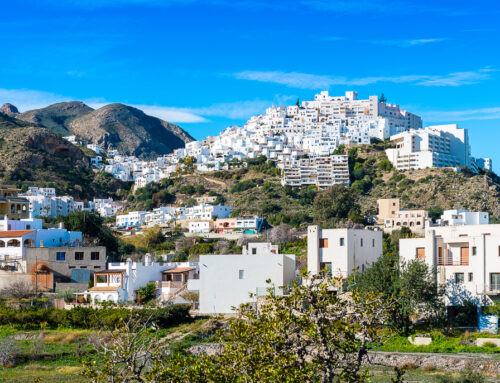
As in Mojácar Spain, tourism combines tradition, landscape and local culture.
Visitors often leave with a deeper appreciation for the effort and skill involved in producing this essential ingredient.
Traditional Dishes and Desserts
Jaén’s gastronomy is heavily influenced by its olive oil heritage.
The oil is the base for numerous traditional dishes, offering flavor and depth to the local cuisine.
Some of the celebrated dishes include:
- Salmorejo: A cold tomato soup enriched with olive oil and served with hard-boiled eggs and jamón.
- Gaspacho: A refreshing vegetable soup, perfect for the hot summer months.
- Espinacas a la Jaenera: A dish of spinach cooked with garlic, cumin, and, of course, olive oil.
Additionally, desserts such as ‘piononos’ and ‘tortas de aceite’ showcase the versatility of olive oil.
These sweets highlight olive oil’s ability to enhance flavors and contribute to the moistness of baked goods.
Vibrant Events and Festivities
Jaén is a city rich in traditions, where the vibrancy of local events and festivities reflects its cultural diversity and historical significance.
Throughout the year, various celebrations capture the spirit and heritage of this enchanting region.
Yours Free
Please click / tap on the image below:
Celebrating Holy Week in Jaen
The Semana Santa, or Holy Week, is one of the most significant and emotionally charged festivities in Jaén.
Each year, during the week leading up to Easter, the city is adorned with breathtaking processions that blend art, faith, and deeply rooted tradition.
Residents and visitors alike witness how the streets transform into a sacred path, lined with spectators holding candles and eagerly awaiting the passage of elaborately decorated pasos (floats).
These pasos, often adorned with delicate sculptures and rich fabrics, represent various moments of the Passion of Christ and are carried by dedicated members of local brotherhoods.
The atmosphere is filled with solemnity and reverence as the sounds of drums and trumpets echo through the streets. Traditional music accompanies the processions, enhancing the emotional depth of the event. Special rites and rituals occur throughout the week, showcasing the community’s commitment to preserving this celebrated tradition that has evolved over centuries.
Local Holidays and Cultural Events
In addition to Holy Week, Jaén hosts a variety of local fiestas and cultural events throughout the year, each reflecting its unique heritage and traditions.
- San Antón Festival
Celebrated in January, this festival honors San Antón, the patron saint of animals. Locals bring their pets to be blessed, and the event is marked by lively street celebrations, including music, food stalls, and communal gatherings.
- La Virgen de la Capilla Pilgrimage
This pilgrimage occurs in September and is dedicated to the patron saint of Jaén. Thousands of people join in a procession to the sanctuary located in the mountains near the city. The event is a demonstration of faith and community spirit, featuring traditional music and local delicacies.
- Jaén Olive Festival
Held during the harvest season, this festival celebrates Jaén’s rich olive oil culture. Visitors can enjoy tastings, workshops, and exhibitions related to olive oil production, highlighting its significance in the region.
- Fiesta de la Reconquista
This colorful event takes place in April, commemorating the Christian reconquest of Jaén from the Moors in the 13th century. Historical reenactments, traditional costumes, and music bring the city’s past to life.
Each of these events not only provides an exciting glimpse into the local traditions but also fosters a sense of community and belonging among the residents. The spirited celebrations throughout the year illustrate the vibrant culture of Jaén, making it a truly lively place to experience.
Exploring Jaen’s Natural Wonders
The natural landscapes surrounding Jaén are a true spectacle of biodiversity and stunning scenery. The region is home to several protected areas that offer a myriad of activities for nature enthusiasts and wildlife lovers alike.
Sierras de Cazorla, Segura, and Las Villas
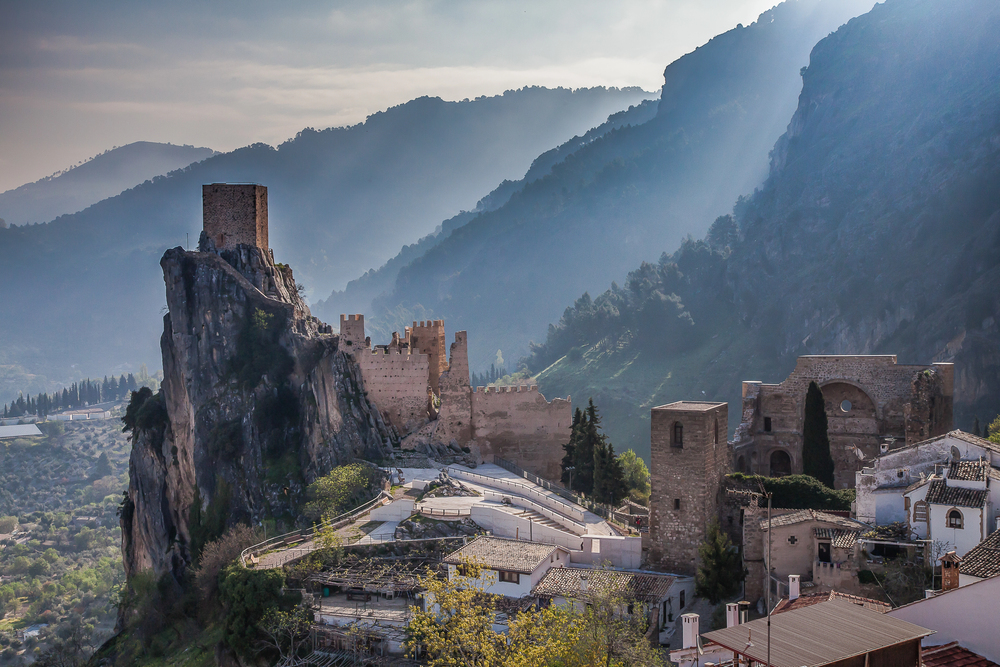
This vast natural park is one of the largest protected areas in Spain and showcases a rich variety of terrains, from rugged mountain peaks to lush valleys. It provides habitats for numerous plant and animal species, making it a paradise for ecotourism.
Hiking and Outdoor Activities
The Sierras de Cazorla, Segura, and Las Villas offer an extensive network of hiking trails that cater to all levels of experience.
From leisurely walks to challenging treks, visitors can immerse themselves in the breathtaking landscape.
Popular routes include:
- The ‘Cascadas de Linarejos’ trail, famous for its waterfalls and scenic views.
- The ‘Sendero del Río Borosa’, which winds alongside the river and showcases the region’s unique flora.
- The ‘Ruta de los Cuchillos’, a more demanding hike that rewards adventurers with stunning panoramas.
In addition to hiking, various outdoor activities are available, such as birdwatching, mountain biking, and horseback riding.
The diverse ecosystems allow for a rich opportunity to observe wildlife, including the elusive Iberian lynx.
Wildlife and Biodiversity
This region is known for its exceptional biodiversity.
With varied climates and altitudes, it harbors numerous endemic plant species and serves as a critical habitat for many animal species.
Among the noteworthy wildlife are:
- The Iberian lynx, which is one of the most endangered feline species in the world.
- The Spanish ibex, often seen climbing steep cliffs.
- A variety of bird species, including vultures and eagles, that can be spotted soaring over the mountains.
The Sierras also host a plethora of flora, from Mediterranean scrubland to lush forests of fir and pine.
This remarkable natural wealth makes the area a hotspot for ecological research and conservation efforts.
The Three Cultural Legacies of Jaen
Jaen is a city characterized by its rich historical tapestry, woven together by the influences of diverse cultures that have thrived in the region.
The interplay of Jewish, Christian, and Muslim heritages has created a unique cultural landscape that is evident in various aspects of life in Jaen.
Jewish Heritage in the Judería
The Judería, or Jewish quarter, of Jaen is a testament to the once-thriving Jewish community that played an integral role in the city’s history.
Narrow streets and ancient buildings evoke a sense of the past, showcasing the architectural styles that merged over centuries.
- Historical Significance:
The presence of Jews in Jaen dates back to the Roman era.
They contributed to the economy, culture, and intellectual life of the city.
- Architectural Features:
In the Judería, one can find synagogues and traditional homes that reflect the unique blend of Jewish and Moorish architectural styles.
The Synagogue of Water in Baeza
Located nearby in Baeza, the Synagogue of Water stands as a remarkable symbol of Jewish influence in the region.
It is one of the few remaining medieval synagogues in Spain and represents a period of coexistence among different faiths.
- Architectural Details:
The building features intricate Mudejar craftsmanship, with elements typical of Islamic design that also influenced Jewish architecture.
- Cultural Importance:
Discovered during excavations, this site has become a focal point for understanding the Jewish presence in Andalusia and their contributions to society.
Coexistence of Christian, Muslim, and Jewish Cultures
The historical coexistence of Christian, Muslim, and Jewish communities in Jaen has greatly shaped its cultural identity.
This interplay can be seen in various monuments, traditions, and everyday life.
- Architectural Synthesis:
Numerous buildings in Jaen reflect the merging of these cultures, showcasing Gothic, Renaissance, and Islamic elements side by side.
- Festivities and Traditions:
Local traditions often incorporate influences from all three cultures, evident in festivals that celebrate art, food, and history.
- Modern-Day Reflections:
The legacy of these three cultures continues to influence the social fabric of Jaen today, supporting an atmosphere of tolerance and appreciation for diversity.
Tourism and Visitor Information
Information about tourism in Jaén includes notable attractions and tips for an enjoyable visit.
Understanding these aspects enhances the overall experience for anyone exploring this remarkable city.
Key Tourist Attractions
Jaén is home to numerous attractions that reflect its rich history and cultural heritage. Visitors can immerse themselves in the local scenery and the remnants of its past.
- Jaén Cathedral: This impressive Renaissance structure captivates visitors with its stunning architecture and intricate details. It serves as a focal point in the city, showcasing the artistic heritage of Jaén.
- Castle of Santa Catalina: Perched high on a hill, this castle offers breathtaking views of the surrounding landscape. Its historical significance as a military stronghold adds to its allure.
- The Arab Baths: The preserved baths in the Palacio de Villardompardo provide insight into the Islamic influence in the region. They are among the best-conserved examples of Moorish architecture in Spain.
- Sierras de Cazorla, Segura and Las Villas: This expansive natural park is perfect for outdoor enthusiasts, featuring hiking trails and opportunities to observe diverse wildlife.
- Local Museums: The Provincial Museum showcases archaeological artifacts, while the Museum of Arts and Popular Traditions highlights local crafts and traditions.
Practical Tips for Visitors
Visitors to Jaén will find helpful guidelines to navigate the city and its surroundings effectively. Knowing what to expect can enhance the overall experience.
- Best Time to Visit: Spring and autumn are ideal for exploring Jaén, with pleasant temperatures and fewer crowds compared to the peak summer months.
- Transportation Options: Public transport, including buses, connects major attractions. Renting a car might be convenient for those wishing to explore the countryside.
- Local Cuisine: Sampling Jaén’s renowned olive oil and traditional dishes is a must. Engaging in oleotourism allows visitors to learn about olive production and taste local flavors.
- Respect Local Customs: While Jaén is welcoming, understanding local customs, especially during festivals or religious events, is important.
- Language: While many locals may speak English, a few basic phrases in Spanish can enhance interactions and the overall experience.
Transportation in and Around Jaen
Efficient transportation is crucial for exploring Jaen and its enchanting surroundings. The city is well-connected by road networks and offers various public transport options to facilitate movement within the region.
Road Networks and Connectivity
The road infrastructure in and around Jaen is comprehensive and plays a vital role in connecting the city with other major locations in Andalucía and Spain. The main highways serving the area include:
- A-44: This motorway links Jaen with Granada Spain, enabling a swift journey between the two cities.
- A-316: Connecting Jaen with the town of Úbeda, this route is essential for those traveling towards the northern parts of the province.
- A-323: A route that provides access to the eastern and southern areas, further enhancing Jaen’s connectivity.
These motorways not only facilitate travel to neighbouring cities but also to other significant tourist destinations within Andalucía, such as Málaga Spain. The roads are generally in good condition, making for safe and pleasant driving experiences.
Public Transport Options
For those who prefer not to drive, Jaen offers several public transportation options, making it easy to navigate the city as well as explore its nearby attractions.
Buses
Public buses operate extensively within the city and its surrounding areas. The local bus service connects key points of interest, including the city centre, educational institutions, and residential zones. For intercity travel, regular bus services are available, providing routes to major cities such as Granada, Córdoba, and Málaga. The bus station is conveniently located, offering a range of departures throughout the day.
Train Services
Jaen has a train station that connects the city to various regional destinations. While high-speed trains do not serve Jaen directly, there are connections to key railway hubs where travelers can switch to high-speed services. The train route from Jaen allows easy access to the cities of Córdoba and Sevilla Spain, providing a scenic travel experience.
Jaén’s location makes it easy to explore other Andalusian provinces, from Huelva Spain to the Mediterranean coast.
Taxis and Ride-Sharing
Taxis are readily available throughout the city. They provide a convenient means of transport, especially for those unfamiliar with public transport schedules. Additionally, ride-sharing services operate in Jaen, offering flexibility and ease for short trips or late-night travel.
In summary, Jaen’s transportation infrastructure supports both local and tourist needs effectively, making it accessible and comfortable for visitors and residents alike.
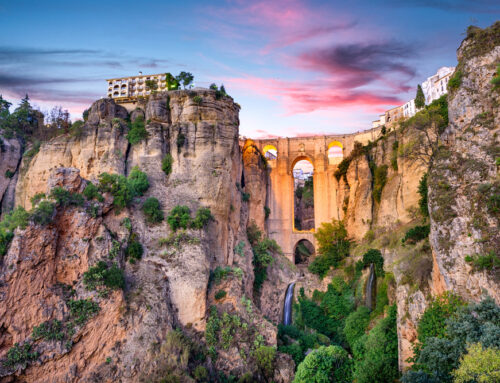
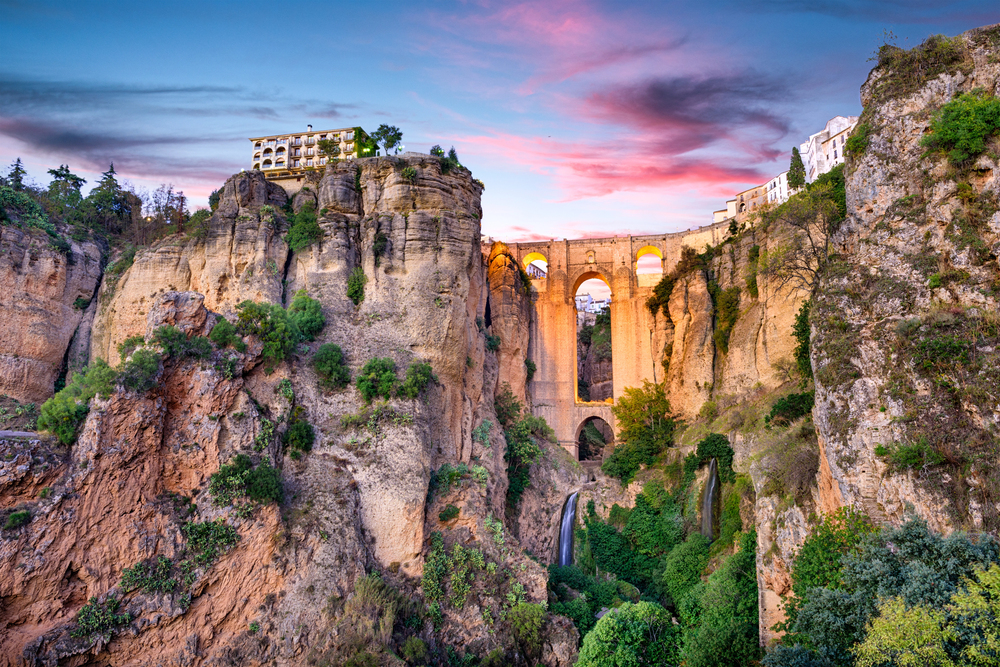
Many travelers take advantage of their stay to also visit Ronda Spain, known for its stunning landscapes and historical heritage.
Yours Free
Please click / tap on the image below:
If you would like to read about other important points for living / moving to Spain, here are other useful articles we wrote: