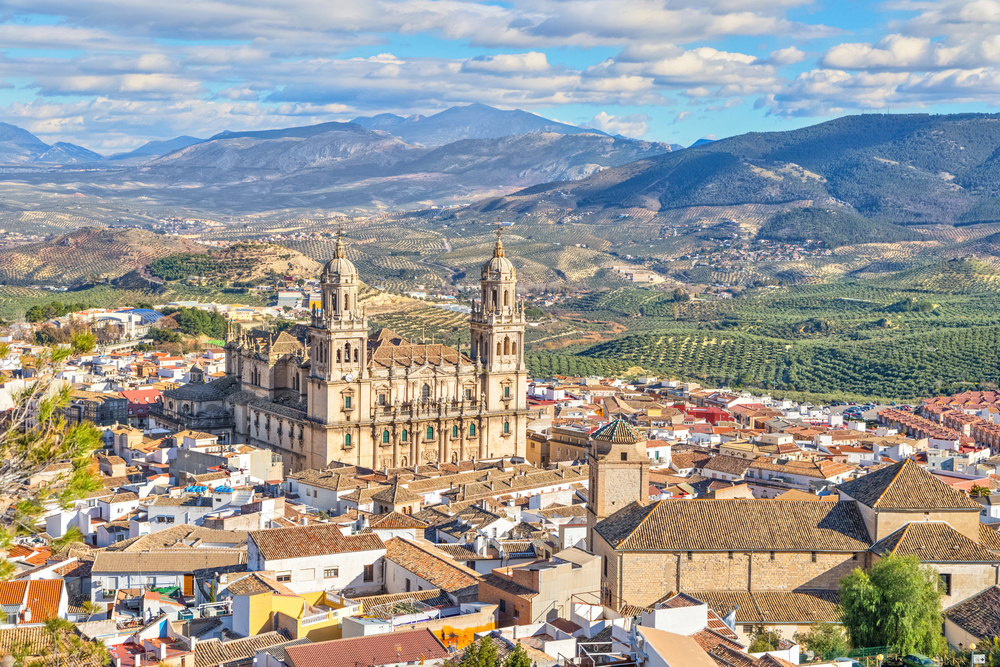
Granada, the city of the seven colors, is just an hour’s drive from the Costa del Sol Spain, where you can enjoy beautiful beaches and practice water and adventure sports
Granada is a historic city located at the foot of the Sierra Nevada mountains in southern Spain.
Known for its rich cultural heritage, Granada has been home to various civilizations throughout its history, including Romans, Muslims, and Christians.
The city is famous for its stunning architecture, particularly the Alhambra, a UNESCO World Heritage site.
Granada also offers a vibrant cultural scene and a diverse culinary landscape, making it a popular destination for visitors.
Granada is 350km faraway from Alicante.

Before we start… Yours Free
Please click / tap on the image below:

Etymology and Early History of Granada Spain
The etymology and early history of Granada reveal its deep cultural roots and the influences that have shaped the city over centuries.
From its name to its early settlements, Granada’s past serves as a testament to its diverse heritage.
Origins of the Name
The name ‘Granada’ may derive from the Latin word granatum, meaning ‘pomegranate’, symbolizing the abundance of fruit trees in the region, especially pomegranates.
This fruit has also become a cultural emblem of the area.
Alternatively, linguists suggest that the name comes from the Arabic term Garnata, a reflection of the city’s historical ties to Muslim rule and heritage.
Roman Granada
Granada’s foundation traces back to Roman times when it was known as Iliberis.
This settlement was strategically located along important trade routes, which enhanced its significance in the region.
The Romans contributed to the city’s urban planning, establishing a grid-like structure that would influence future developments.
Remnants of Roman architecture, such as roadways and structures, highlight the city’s advanced status during this period.
Visigothic Influence
Following the fall of the Roman Empire, the Visigoths took control of the region.
During their rule, Granada Spain served as a minor yet pivotal urban center.
Despite its size, it became an administrative and agricultural hub, with the Visigoths enhancing the local governance and societal structure.
This period laid the groundwork for the subsequent influx of Islamic culture, which would come to define Granada in the centuries to follow.
Islamic Period
The Islamic period of Granada is marked by significant cultural, architectural, and urban development.
This era began with the Muslim conquest in the eighth century and extended until the Catholic Monarchs took the city in 1492.
During this time, Granada flourished as a center of art, science, and philosophy.
Muslim Conquest and Urban Development
The Muslim conquest of the Iberian Peninsula commenced in 711 AD. Granada became an integral part of this expansion, establishing itself as a key urban center.
The strategic position of the city allowed it to thrive both economically and culturally during the centuries of Islamic rule.
Under Muslim governance, the urban layout of Granada evolved. Streets were designed to accommodate the flow of trade and the needs of residents.
The architecture reflected Islamic principles, highlighted by intricate tile work, fountains, and gardens, which dominated the landscape.
The Nasrid Dynasty and Architectural Wonders
The Nasrid Dynasty, which ruled Granada from the 13th to the 15th century, is renowned for its architectural achievements.
This period is characterized by the construction of monumental buildings and the flourishing of arts and sciences.
Granada became the last stronghold of Islamic governance in Spain, resisting the Christian Reconquista longer than any other territory.
The Nasrid rulers, skilled in diplomacy and statecraft, fostered an environment where culture and architecture thrived.
Alhambra: The Jewel of Granada
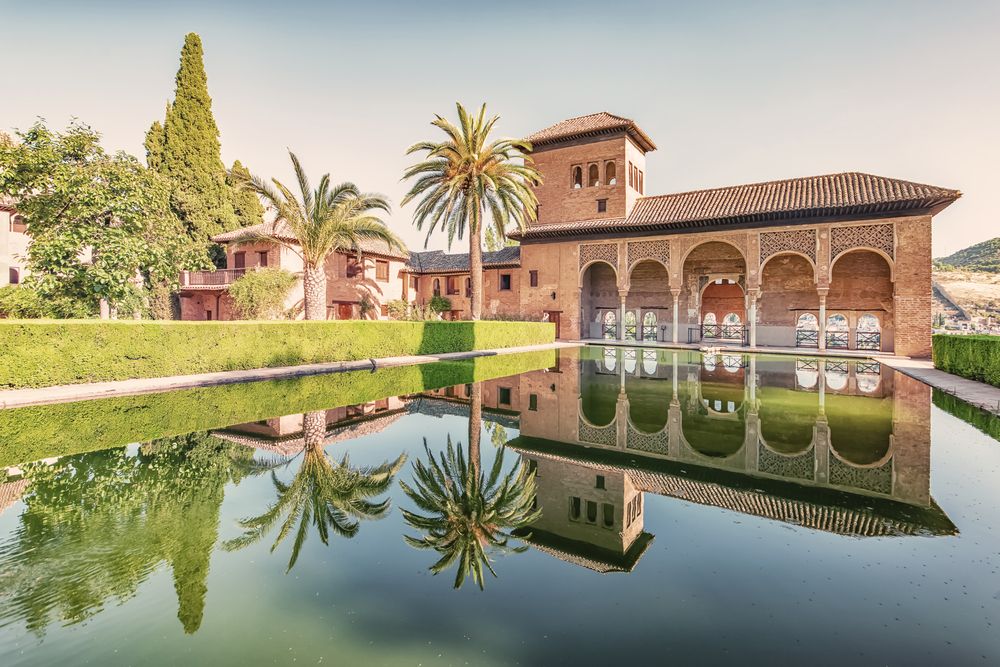
Alhambra stands as a testament to the artistic prowess of the Nasrid Dynasty.
This palatial fortress complex, built on rolling hills overlooking the city, encapsulates the grandeur of Islamic architecture.
The Nasrid Palaces
The Nasrid Palaces within the Alhambra are a collection of intricately designed rooms and courtyards, showcasing the zenith of Islamic artistry.
The delicate stucco work and elaborate tile mosaics reflect the aesthetic sensibilities of the time.
Each room serves a specific purpose, be it for royalty or administrative functions.
The Generalife Gardens
The Generalife, serving as the summer palace for Nasrid rulers, features stunning gardens that blend nature with architecture.
The meticulous design incorporates terraces, fountains, and diverse flora, creating a serene atmosphere.
These gardens were not merely for enjoyment; they also symbolized the connection between the earthly realm and paradise, a central theme in Islamic culture.
Defensive Structures
In addition to its opulent palaces, the Alhambra includes formidable defensive structures.
The city walls and watchtowers were built to protect against potential invasions, emphasizing the military importance of Granada Spain during the Islamic period.
These fortifications also illustrate the dual role of the Alhambra as a royal residence and a stronghold.
Christian Conquest and Transformation
The Christian conquest of Granada marked a pivotal moment in the city’s history.
Following centuries of Islamic rule, the Catholic Monarchs sought to unify Spain under Christianity, ultimately leading to significant transformations in Granada’s social, cultural, and architectural landscape.
The Catholic Monarchs and the Fall of Granada
In 1492, the Catholic Monarchs, Isabel I of Castile and Fernando II of Aragon, successfully completed the Reconquista by capturing Granada.
This event signified the end of Muslim rule in the Iberian Peninsula and the consolidation of Christian power.
The surrender of the city on January 2 marked not only a military victory but also a moment of cultural transition.
The Catholic Monarchs granted religious freedoms to the Muslim population initially, but this tolerance was short-lived.
Gradually, policies were enacted to convert the Muslim community to Christianity, leading to a significant demographic and cultural shift in the city.
Trans formation under Christian Rule
The fall of Granada initiated a period of transformation as the city adapted to its new Christian leadership.
The implications were evident in the architectural changes and the establishment of Catholic institutions that reshaped the urban landscape.
The Cathedral of Granada
One of the most notable transformations was the construction of the Cathedral of Granada.
Built on the site of the Great Mosque, the cathedral is an outstanding example of Spanish Renaissance architecture.
Its construction began in 1523 under the direction of architect Enrique Egas and was completed well into the 17th century.
The cathedral showcases a blend of Gothic and Renaissance styles, with its impressive interior and intricate chapels reflecting the power of the Catholic Church in post-Reconquista Granada.
The grand façade and the majestic altar draw attention from visitors and locals alike.
Royal Chapel of Granada
Adjacent to the cathedral lies the Royal Chapel, a magnificent structure that serves as the final resting place of the Catholic Monarchs.
Completed in 1521, this chapel is a stunning example of late Gothic architecture.
It houses intricate altarpieces and is an important symbol of Spanish history.
The chapel’s interior is adorned with impressive works of art, including a beautiful altar piece that showcases the monarchs’ legacy.
The presence of such significant figures in this chapel highlights the importance of Granada in the broader narrative of Spanish history.
Modern History
The modern history of Granada is marked by significant transformations and events that have shaped the city’s identity and character, particularly during the 16th to 18th centuries, the 19th century developments, and the tumultuous period of the Spanish Civil War.
The 16th to 18th Centuries
Following the Christian reconquest in 1492, Granada underwent profound changes that affected its social, cultural, and architectural landscape.
The city’s status shifted, and new structures began to emerge that reflected the influence of the Catholic Monarchs.
- The construction of the Cathedral of Granada commenced in 1523, replacing the Great Mosque. It is a prime example of Renaissance architecture and symbolizes the triumph of Christianity over Islam.
- Subsequent centuries saw the introduction of Baroque elements into the city, visible in various religious buildings and civic projects.
During this period, Granada’s economy began to diversify.
Agriculture remained important, but trade and crafts started to develop, with silk production taking a prominent role.
19th Century Developments
The 19th century was a time of considerable change for Granada Spain, highlighted by political instability and economic shifts.
The War of Independence against the French invasion left its mark, but the city began to stabilize after its conclusion.
- Significant urban development occurred as modern infrastructures were introduced, including new roads, railways, and public buildings. The introduction of the railway system connected Granada more effectively with other regions of Spain.
- The establishment of educational institutions and cultural organizations also began during this era, paving the way for Granada’s reputation as a center of learning.
However, the socio-political ramifications of the declining agricultural economy led to unrest, eventually influencing the social fabric of the city.
Granada during the Spanish Civil War
The Spanish Civil War (1936-1939) had a profound impact on Granada, as it did on many other parts of Spain.
The conflict divided the population, resulting in fierce fighting between Republicans and Nationalists.
- Granada fell under Nationalist control relatively early in the war. The city became a stronghold for Francisco Franco’s forces, leading to significant repression of Republican sympathizers.
- During this period, many intellectuals and artists fled or were executed, and the cultural landscape was deeply affected. The city lost a considerable portion of its progressive and artistic community.
After the war, Granada faced a long period of reconstruction, and the scars from the conflict lingered, and it began to gradually recover its cultural identity.
Geography and Climate
Granada is nestled in a unique geographical setting that enhances its charm.
The city’s landscape is defined by the towering Sierra Nevada mountains and a mild Mediterranean climate, presenting both beauty and challenges to its inhabitants.
Location: The Heart of Andalusia Spain
Situated in the southeastern region of Spain, Granada serves as a central hub in Andalucía.
Its position allows for easy access to various parts of the region, complemented by its proximity to other significant cities such as Málaga Spain and Córdoba.
The city lies approximately 100 kilometers from the Mediterranean coast, linking the rich inland landscape with the coastal beauty of southern Spain.
The Sierra Nevada Backdrop
The Sierra Nevada mountain range frames Granada, providing a stunning backdrop that profoundly influences the region.
Peaks like Mulhacén and Veleta are not only the highest in the Iberian Peninsula but also attract outdoor enthusiasts year-round.
This proximity allows for diverse activities ranging from hiking and skiing to exploring rich biodiversity.
- Natural parks offer extensive trails for adventure seekers.
- The unique flora and fauna contribute to Granada’s ecological richness.
- Winter sports facilities provide a seasonal playground for locals and tourists alike.
Mediterranean Climate Challenges
Granada experiences a Mediterranean continental climate that presents both advantages and challenges.
Summers can be intensely hot, with temperatures often exceeding 35°C, while winters can be quite cold, especially in the mountainous areas.
Rain is more common in the autumn and spring months, with occasional snow in the Sierra Nevada during winter.
- Summer heat leads to a need for effective cooling solutions, especially in urban areas.
- Cold winters require adequate heating arrangements for homes and public spaces.
- Water management strategies are crucial given the seasonal variations in rainfall.
This climatic variability shapes not only the lifestyle of the residents but also influences agricultural practices that are prevalent in the surrounding regions.
Cultivating fruits and vegetables requires adaptability to these climatic conditions, promoting local farming efforts while ensuring sustainability.
Demographic Overview
The demographic landscape of Granada reflects its rich history and cultural diversity.
The city is home to a variety of communities, each contributing to the unique tapestry of life in this Andalusian gem.
Yours Free
Please click / tap on the image below:
Population Diversity
Granada’s population is characterized by a blend of cultures and ethnic groups that have settled over centuries.
This diversity is a result of various historical influences, including Roman, Visigothic, and Islamic heritages.
As of 2024, the city is estimated to have approximately 234,000 inhabitants, making it one of the larger cities in Andalucía.
The demographic makeup includes a significant number of students due to the presence of the University of Granada.
This influx of young individuals from various regions adds to the vibrancy and multicultural character of the city.
Moreover, there is a steady population of expatriates and immigrants, particularly from North Africa and South America, who have integrated into the local community, enriching Granada’s cultural milieu.
Key Neighbourhoods
Granada is divided into several distinct neighbourhoods, each with its own identity and cultural significance.
The following key areas showcase the diversity and charm of the city.
The Albaicín and Its Charm
The Albaicín is one of the oldest districts in Granada, known for its narrow, winding streets and traditional whitewashed houses.
This neighbourhood displays its Moorish roots, with many buildings reflecting Islamic architectural styles.
The charm of the Albaicín is accentuated by its stunning views of the Alhambra and the Sierra Nevada mountains.
Walking through the Albaicín offers a glimpse into the past, with plazas, tea houses, and traditional craft shops.
This area is particularly popular among tourists and locals alike, serving as a cultural hub for music and gastronomy.
The Sacromonte and Flamenco Heritage
The Sacromonte district is famous for its cave dwellings, where many families still live today.
These unique homes carved into the hillsides create a striking landscape that draws visitors from around the world.
The neighbourhood is renowned for its deep Flamenco traditions, hosting numerous shows and events that celebrate this vibrant art form.
The Sacromonte is an area where the spirit of the Andalusian culture can be felt in every corner.
The annual festivals and food fairs contribute to the lively atmosphere, highlighting the region’s culinary specialties and traditional practices.
Realejo: Historical Jewish Quarter
Realejo, once the Jewish quarter of Granada, is steeped in history and character.
This neighbourhood features a mix of architectural styles, from stunning Renaissance buildings to ancient synagogues.
The winding streets are lined with local shops, cafes, and art galleries that showcase the creativity of its residents.
The Realejo is also known for its artistic offerings, including street art and theatre performances.
The community actively participates in maintaining its cultural heritage, making it a key area for understanding Granada’s diverse history.
Economy and Tourism
Granada’s economy is characterized by a blend of traditional sectors and vibrant tourism, contributing significantly to the local and regional development.
The diverse economic landscape reflects the city’s rich history and its appeal as a cultural destination.
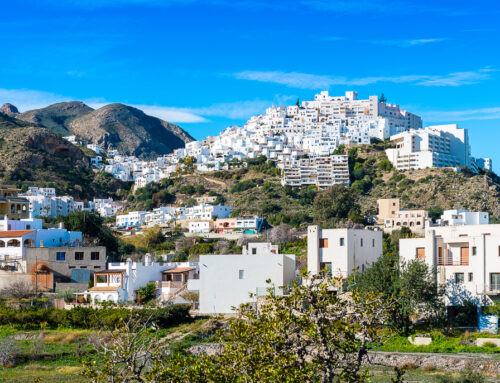
Just like Mojácar Spain, the city retains a strong traditional Andalusian essence.
Main Economic Sectors
The economy of Granada is supported by various sectors that provide a robust framework for growth and sustainability.
Key sectors include:
- Tourism: As a primary driver of the economy, tourism accounts for a substantial portion of employment and revenue. The influx of visitors stimulates multiple industries, from hospitality to commerce.
- Education: The presence of the University of Granada fosters not only academic pursuits but also contributes economically through student enrolment and related services.
- Agriculture: The agricultural sector plays a vital role, particularly with the cultivation of fruits, vegetables, and renowned local products, such as jamón, benefiting from the fertile lands surrounding the city.
- Arts and Crafts: Local artisans contribute to the economy with traditional crafts, attracting both tourists and residents to buy unique handmade goods.
The Impact of Tourism
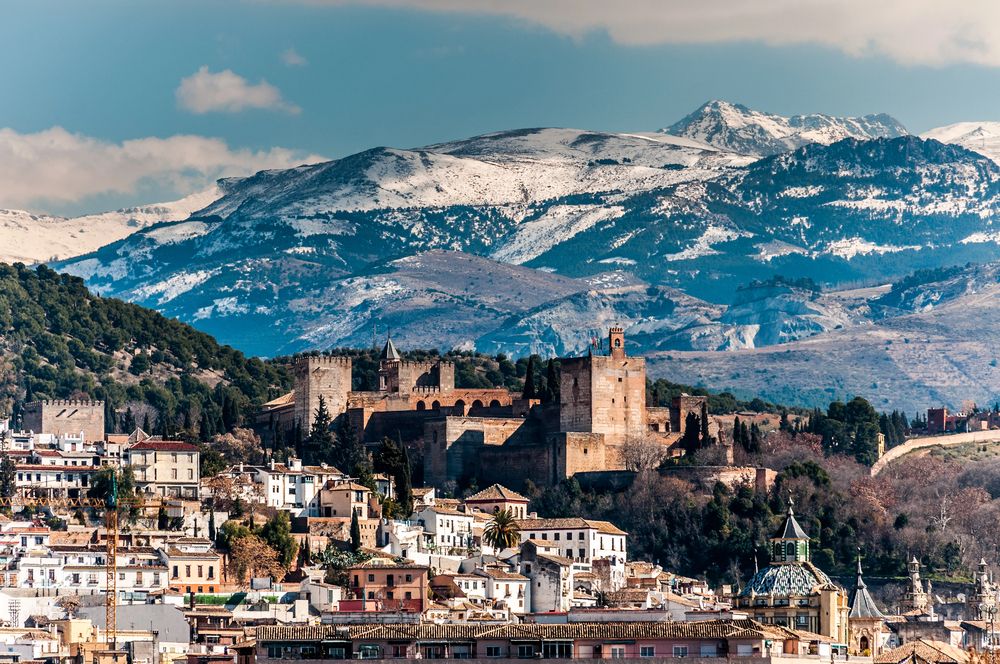
Tourism significantly shapes Granada’s economy, bringing millions of visitors each year and encouraging investment in infrastructure and services.
The historical and cultural richness of the city makes it a must-visit destination in Spain.
World Heritage Sites
The designation of the Alhambra and other historical sites as UNESCO World Heritage Sites has boosted Granada’s appeal.
These landmarks attract tourists from all over the world, contributing to the local economy through entrance fees, guided tours, and hospitality services.
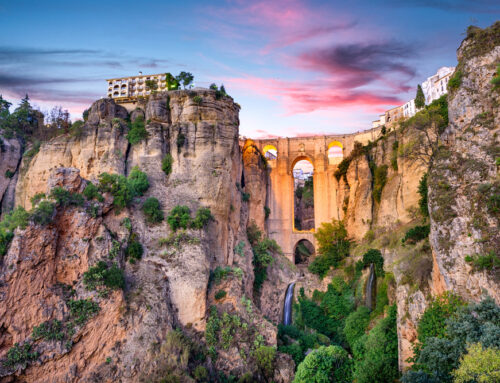
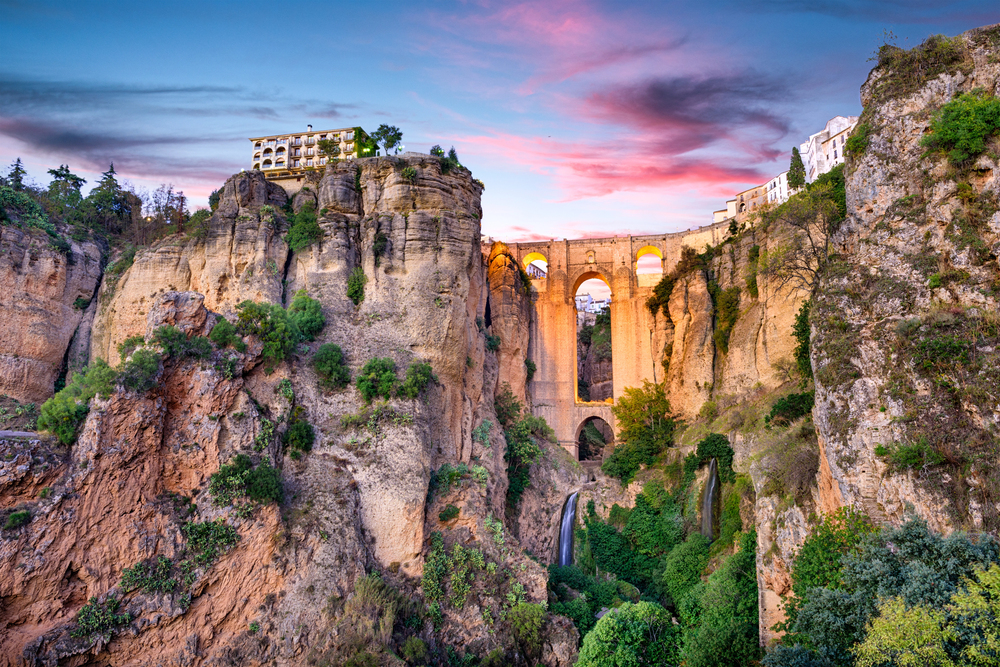
The city’s monumental wealth is reminiscent in some aspects of the historical charm of Ronda Spain.
The preservation of such sites is essential not only for heritage but also for economic sustainability.
Experiencing Local Cuisine
Granada’s culinary scene is a cornerstone of its tourism sector.
Visitors are drawn to the city not only for its historical significance but also for its gastronomic delights.
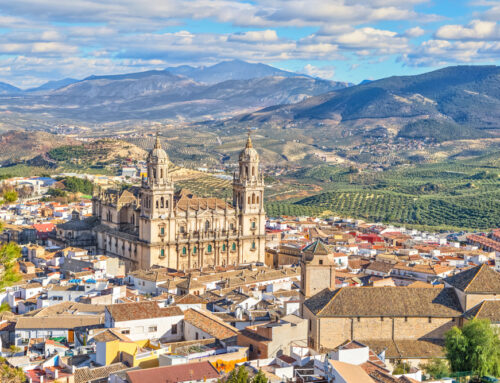
Many traditional products use olive oil from nearby areas such as Jaén Spain.
Tapas culture, in particular, enhances the local social scene and attracts food enthusiasts.
- Tortilla del Sacromonte: A traditional dish made of eggs and local ingredients.
- Piononos: Sweet pastries that reflect the rich culinary traditions of the area.
- Local Markets: Vibrant markets selling fresh produce and traditional products play a crucial role in both the economy and the local lifestyle.
Culture and Traditions
Granada boasts a vibrant cultural ecosystem characterized by an array of traditions and celebrations that deeply reflect its historical influences.
The city is rich in artistic expressions, unique festivals, and local customs that come together to create a lively atmosphere.
The festive atmosphere of Andalusia shares similarities with popular celebrations in Cadiz Spain.
Rich Cultural Landscape
The cultural landscape of Granada is an intricate tapestry woven from its diverse historical influences, including Roman, Islamic, and Christian elements.
This blend is evident in the city’s architecture, music, and local arts.
Flamenco, a deeply passionate and expressive music and dance form, holds a significant place in the cultural identity of Granada.
Many venues across the city host live performances that showcase this art form, attracting both locals and visitors.
Beyond music and dance, Granada is home to numerous art galleries, theaters, and cultural institutions.
These venues frequently hold exhibitions and events that celebrate local artists and heritage.
The artistic legacy, combined with the city’s Muslim and Christian history, offers a unique backdrop for various cultural activities.
Granada is a must-visit destination in the region of Andalusia Spain, which is just an hour’s drive from the province of Almería Spain, where you can enjoy beautiful beaches and practice water and adventure sports in a pleasant climate.
Festivals and Events
Granada hosts a plethora of festivals throughout the year, each celebrating cultural and religious heritage.
These vibrant events bring together communities and offer an insight into local traditions and customs.
Semana Santa Celebrations
The Semana Santa, or Holy Week, is one of the most important religious celebrations in Granada.
It takes place in the spring, leading up to Easter, and features elaborate processions that reflect the deep religious roots of the city.
During this week, numerous brotherhoods participate by carrying intricately adorned pasos (floats) through the streets, often accompanied by somber music and the reverent silence of onlookers.
The processions are a mix of spirituality and artistry, showcasing the craftsmanship involved in their creation.
Each day of the Semana Santa highlights different brotherhoods, colors, and themes, culminating in a powerful display of faith and tradition.
The atmosphere is deeply moving, drawing participants from all over to witness and join in the commemorative acts.
The Festival of San Nicolás
The Festival of San Nicolás, held in December, is another highlight in Granada’s cultural calendar.
This event celebrates the patron saint of the city and is particularly known for its stunning views from the Mirador de San Nicolás, overlooking the Alhambra and the Sierra Nevada.
The festival features music, dance, and a variety of events that reflect local heritage.
During the festivities, the streets are filled with the sounds of live music, while local foods and drinks are offered at stalls throughout the area.
It is a time of joy and community bonding, attracting families and tourists alike who come to experience the delightful atmosphere and participate in the celebrations.
Architecture and Landmarks
Granada boasts a remarkable array of architectural styles that reflect its diverse historical influences.
From the intricate designs of Islamic art to the grandeur of the Renaissance, the city’s landmarks tell the story of its rich past.
Islamic and Renaissance Influences
The architectural landscape of Granada is profoundly shaped by its Islamic heritage, particularly during the rule of the Nasrid dynasty.
This period saw the creation of some of the most significant architectural masterpieces in Spain, characterized by elaborate tile work, arches, and intricate stucco detailing.
The Renaissance period introduced a new style that merged with these Islamic elements, creating a unique architectural identity.
Key characteristics of Islamic architecture in Granada include the use of geometric patterns, calligraphy, and water features.
In contrast, the Renaissance influence is evident in the harmonious proportions and grand design of various buildings.
This blending of styles makes Granada’s architecture a fascinating study of cultural fusion.
The Most Famous Monuments
Granada is home to several iconic monuments that exemplify its historical and architectural significance.
Each structure narrates a different chapter of the city’s cultural evolution.
The Alhambra and Generalife
The Alhambra is undoubtedly the crown jewel of Granada, recognized as a UNESCO World Heritage site.
This stunning palace and fortress complex showcases the pinnacle of Moorish architecture, featuring intricately decorated rooms, beautiful courtyards, and enchanting gardens.
The Nasrid Palaces, consisting of the Mexuar, Comares, and Palacio de los Leones, highlight the sophistication of Islamic design with their elaborate stucco work and serene water channels.
The Generalife, the summer palace and gardens of the Nasrid rulers, offers a tranquil escape with its lush greenery and stunning views of the surrounding landscape.
The meticulously designed gardens exhibit a harmonious relationship between nature and architecture, allowing visitors to immerse themselves in the serene beauty of the site.
Corral del Carbón
Another significant landmark is the Corral del Carbón, which stands as a testament to Granada’s medieval past.
Originally built in the 14th century as a coal store, this structure is one of the best-preserved examples of Islamic architecture in the city.
Its impressive entrance, adorned with ornate arches and intricate details, invites visitors to explore its historical significance as a marketplace and meeting point.
The Corral del Carbón’s central courtyard and surrounding areas reflect the rich cultural tapestry of Granada, providing a glimpse into the life of the city’s inhabitants during the medieval period.
This landmark epitomizes the blending of different cultural influences that have shaped Granada over the centuries.
Gastronomy
The gastronomy of Granada is a reflection of its diverse cultural heritage, combining influences from different epochs and civilizations.
The city is particularly renowned for its traditional dishes and the distinctive tapas culture that captivates both locals and visitors.
Traditional Dishes and Delights
Granada’s culinary scene is characterized by hearty and flavorful dishes that often feature locally sourced ingredients.
The traditional cuisine draws from both the agricultural bounty of the surrounding areas and the rich history of the city.
Some of the most notable traditional dishes include:
- Pisto: A ratatouille-like dish made with tomatoes, peppers, zucchini, and eggplant, often topped with a fried egg.
- Habas con Jamón: A delightful dish made from broad beans and cured ham, showcasing the freshness of local produce.
- Olla de San Antón: A hearty stew made with various meats, legumes, and vegetables, traditionally prepared in winter.
The Tapas Experience
Granada is especially famous for its vibrant tapas culture, unique to this city.
When ordering a drink, patrons are often served a complimentary tapa, making it a popular social activity.
The variety of tapas ranges from simple snacks to elaborate small dishes that provide a taste of the region’s culinary diversity.
Iconic Dishes: Tortilla del Sacromonte
One of the signature tapas is the Tortilla del Sacromonte, which is a traditional omelet that includes interesting ingredients such as sweetbreads and other offal. This dish reflects the historical influences and local ingredients that are characteristic of Granadian cuisine. It is a must-try for those wanting to sample the true flavors of the region.
Piononos: A Sweet Treat
For dessert, Piononos are a famed delicacy from Granada.
These small pastries consist of a rolled sponge cake filled with creamy custard and topped with a layer of toasted sugar.
Their unique preparation method and delightful sweetness make them a favorite among both locals and tourists alike.
Education and Innovation
Education and innovation are fundamental components of Granada’s development.
The city is home to prestigious educational institutions and a thriving atmosphere for research and technological advancement.
The University of Granada
The University of Granada, established in 1531, is one of the oldest and most prestigious universities in Spain.
It has become a key player in the educational landscape of the city.
With a student population exceeding 60,000, it attracts both local and international students.
The university offers a wide range of courses across various disciplines, including humanities, science, engineering, and health sciences.
The academic programs are designed to encourage critical thinking and innovative approaches to problem-solving.
As a research-focused institution, the University of Granada has established numerous partnerships with other universities and research centers worldwide.
This international collaboration enhances the quality of education and fosters a global perspective among its students.
Research and Development
Granada has developed a reputation as a hub for research and innovation.
The city’s educational institutions, including the University of Granada and various research institutes, actively engage in groundbreaking research projects across diverse fields.
Key areas of research include:
- Health Sciences: Advancements in medicine and biotechnology are a priority, with institutions focusing on innovative treatments and public health initiatives.
- Environmental Science: Researchers are dedicated to studying climate change impacts and developing sustainable practices to combat environmental degradation.
- Cultural Heritage: Researchers work on preserving the rich cultural heritage of Granada, exploring its historical significance and promoting it through educational programs.
The vibrant collaboration between academia, industry, and government entities plays a crucial role in enhancing Granada’s research capacity.
This synergy fosters entrepreneurship and the commercialization of innovative ideas, contributing to the local economy.
Transportation
Transportation in Granada is well-structured, offering a variety of options that cater to both residents and visitors alike.
The city’s public transport system is efficient, and the connectivity ensures easy movement within the urban area and beyond.
Public Transport Options
The public transport system in Granada is designed to meet the mobility needs of its population.
It includes buses, a metro system, and taxis, providing comprehensive coverage across the city and its surroundings.
Buses
The bus network is extensive and operated by Transportes Rober.
It consists of numerous lines that connect major neighborhoods, key attractions, and the city center.
Buses are a popular choice for daily commutes as well as for tourists exploring various sites, such as the Alhambra and the Generalife.
Metro
The Granada Metro, inaugurated in 2017, serves as a modern and efficient mode of transportation.
This underground system connects several districts, allowing passengers to travel quickly and comfortably.
The metro stations are strategically located to facilitate easy access to both residential areas and tourist attractions.
Taxis
Taxis are readily available throughout the city, providing another option for transportation.
They can be hailed on the street, booked via phone, or accessed at designated taxi ranks.
This service is particularly convenient for those needing direct transport to specific locations or when traveling with luggage.
Connectivity Within and Beyond
Granada’s transport infrastructure ensures seamless connectivity not just within the city, but also to nearby regions, making it an ideal base for exploring more of Andalucía.
Intercity Buses
Long-distance buses connect Granada to major cities throughout Spain, including Málaga, Sevilla, and Córdoba Spain.
The main bus station, Estación de Autobuses, offers numerous daily departures, making it easy for travelers to venture further afield.
Train Services
The city is served by Renfe, Spain’s national railway company, with the Granada train station offering direct connections to other cities, such as Madrid and Seville Spain.
Train travel provides a comfortable and efficient way to explore other regions while enjoying scenic views of the Andalusian countryside.
Many travelers explore Andalusia from Huelva Spain, to the region’s historic interior.
Accessibility
Public transport in Granada is designed to be accessible for everyone, with many buses and metro stations equipped for individuals with reduced mobility.
This commitment to accessibility ensures that all residents and visitors can navigate the city with ease.
Future Developments
Plans for future development aim to enhance Granada’s transportation network further.
This includes potential expansion of the metro lines and initiatives to improve the overall sustainability of transport options, reflecting a commitment to better mobility and lower environmental impact.
Health and Wellness
Granada boasts a comprehensive healthcare system that reflects its commitment to the health and wellness of its residents.
The city offers various facilities and services designed to ensure accessible healthcare, as well as numerous community initiatives aimed at promoting wellness.
Healthcare Facilities and Services
The healthcare infrastructure in Granada includes a mix of public and private institutions that provide a range of medical services.
The public healthcare system is managed by the Andalusian Health Service and includes several hospitals and clinics throughout the city.
- Público Universitario de Granada: One of the major hospitals, offering specialized services and emergency care. Its teaching facilities aid in training future healthcare professionals.
- Hospital de Traumatología: Dedicated to trauma care and rehabilitation, this facility is crucial for the treatment of injuries and post-surgical recovery.
- Centros de Salud: Numerous primary healthcare centers located in various neighborhoods provide essential services, including general medicine, pediatrics, and preventive care.
- Private Clinics: There are several private clinics offering specialized treatment, faster access to services, and additional comfort to patients with different medical needs.
Community Health Initiatives
Granada actively promotes public health through various community initiatives and programs.
These efforts focus on improving health awareness, encouraging active lifestyles, and providing access to mental health resources.
- Health Education Programs: Various organizations conduct workshops and seminars aimed at educating the public about healthy eating, exercise, and preventive care.
- Mental Health Services: The city offers resources for mental health support, including counseling services and therapy groups designed to support community members facing mental health challenges.
- Fitness and Wellness Events: Regularly organized events such as health fairs and fitness challenges encourage community participation in physical activities and healthy habits.
- Support Groups: Different support groups are available for various health-related issues, ensuring that residents receive guidance and companionship as needed.
Yours Free
Please click / tap on the image below:
If you would like to read about other important points for living / moving to Spain, here are other useful articles we wrote: