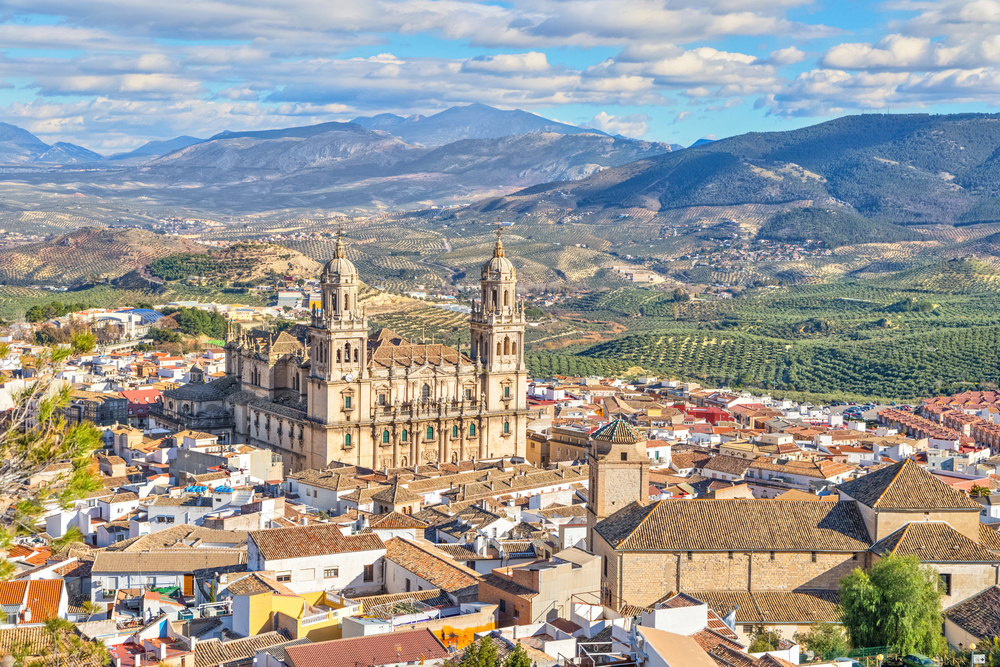
Andalusia Spain is an autonomous community in southern Spain, known for its rich cultural heritage and diverse landscapes.
It features a mix of mountains, plains, and beautiful coastlines along the Mediterranean Sea.
The region is famous for its historical cities like Seville, Granada, and Córdoba.
With a Mediterranean climate and a vibrant cultural scene, Andalusia attracts millions of visitors each year.

Before we start… Yours Free
Please click / tap on the image below:

Andalusia stands out as a region characterised by its rich history, diverse landscapes, and vibrant culture.
The following sections provide a detailed insight into its geographic position, administrative structure, and major urban centres.
Geographic Location of Andalusia Spain
Andalusia is located in the southern part of the Iberian Peninsula and is bordered by several other Spanish regions as well as the Mediterranean Sea to the south.
Its strategic position has historically made it a crossroads of cultures, influencing its development and heritage.
The region shares its northern boundaries with Extremadura and Castilla-La Mancha, while to the east, it meets Murcia.
The southern coastline, with the Mediterranean and the Atlantic Oceans, provides a distinct climate and economic opportunities.
This geographical variety contributes significantly to the natural beauty and ecological diversity of Andalusia.
Administrative Divisions
Andalusia is officially divided into eight provinces, each with its own local government and unique characteristics.
These provinces are:
- Almería
- Cádiz
- Córdoba
- Granada
- Huelva
- Jaén
- Málaga
- Sevilla
Each province plays a vital role in the overall governance of the region and contributes to its cultural richness.
The administrative structure allows for local issues to be addressed effectively while ensuring that the identity and priorities of each community are respected.
Major Cities and Capitals
Seville is the capital of Andalusia Spain and is known for its historical significance and cultural vibrancy.
Other prominent cities include:
- Granada: Famous for the Alhambra and its stunning architecture, blending Moorish and Renaissance styles.
- Córdoba: Renowned for its historic mosque-cathedral and picturesque old town, a UNESCO World Heritage site.
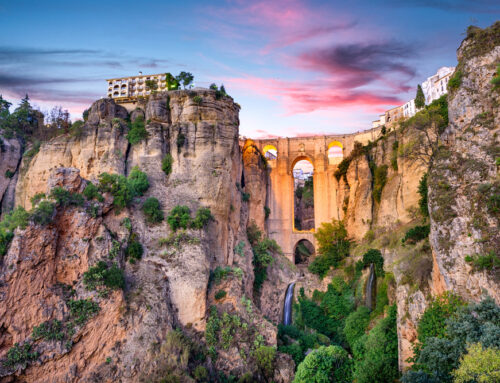
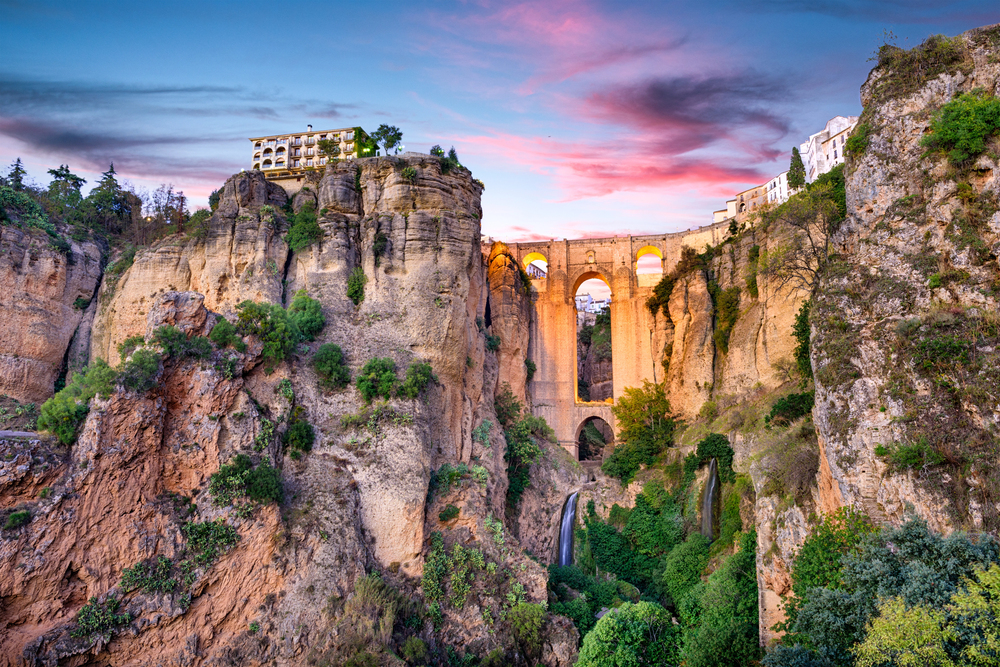
- Málaga: A vibrant port city on the Costa del Sol, celebrated for its beaches and stunning towns, such as Ronda Spain.
- Cádiz: One of the oldest continuously inhabited cities in Western Europe, with a rich maritime history.
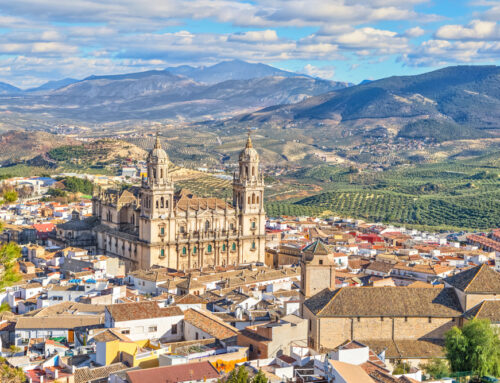
- Jaén: Known for its olive oil production and medieval heritage.
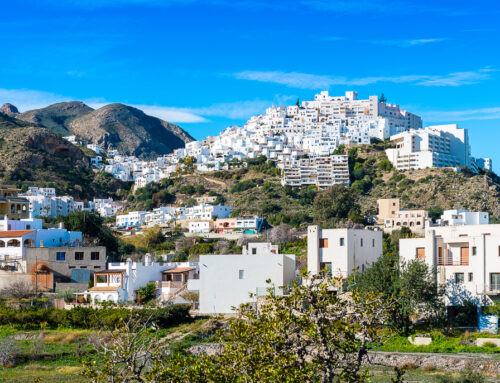
- Almería: You will love the coastal areas Mojacar Spain and Roquetas de Mar Spain.
These cities not only serve as economic centres but also as cultural hubs, drawing visitors from around the globe who are eager to explore their rich histories and traditions.
Huelva Spain is the very last province of Andalusia, next to Portugal.
Climate and Weather in Andalusia
The climate in Andalusia is characterised by distinct Mediterranean features, which greatly influence the lifestyle and activities of its inhabitants.
The warm summers and mild winters create an inviting environment, emphasising the region’s diverse outdoor experiences.
Mediterranean Climate Characteristics
Andalusia boasts a classic Mediterranean climate, known for its hot, dry summers and mild, wetter winters.
This climatic pattern is predominantly due to its geographical location, bordered by the Mediterranean Sea and influenced by both Atlantic and continental weather systems.
The significant characteristics of the Mediterranean climate include:
- High temperatures in summer, often exceeding 30°C (86°F) in coastal areas and reaching 40°C (104°F) in the interior.
- Moderate rainfall, primarily occurring in autumn and spring, with the summer months typically being very dry.
- Mild winters, where temperatures rarely drop below 8°C (46°F) along the coast and can average between 0°C (32°F) to 5°C (41°F) inland.
Seasonal Weather Patterns
The seasonal variations in Andalusia’s weather are distinct, with each season offering unique experiences:
- Spring (March to May): Spring sees a gradual increase in temperatures and a surge in rainfall, particularly in March and April. This season marks the blooming of wildflowers and the commencement of agricultural activities.
- Summer (June to August): Summers are characterised by extreme heat, with long periods of sunshine and very little rainfall. Coastal areas enjoy sea breezes, making beach activities popular, while the inland regions can become sweltering.
- Autumn (September to November): Autumn brings a notable decrease in temperatures, with September still retaining some summer warmth. Rainfall begins to increase, replenishing the dry landscapes and preparing them for winter.
- Winter (December to February): Winters are generally mild, but can be cooler in the mountains. Rain is more frequent during this time, especially in December and January, although snowfall is rare in lowland areas.
Impact on Lifestyle and Activities
The climate in Andalusia Spain significantly shapes the daily lives of its residents and the activities available throughout the year.
The predominantly sunny weather encourages outdoor living, with many people taking advantage of the climate to enjoy various pursuits.
Some notable impacts include:
- Outdoor dining becomes a staple, particularly in spring and summer, as many restaurants offer al fresco seating.
- The climate supports a thriving agricultural sector, with crops like olives, grapes, and citrus fruits flourishing in the warm conditions.
- Tourism heavily leverages the appealing climate, attracting visitors who enjoy beach holidays on the Costa del Sol or cultural experiences in cities like Seville and Granada.
- Sports and recreational activities, such as hiking in the Sierra Nevada or water sports along the coastline, are popular year-round, aided by the mild weather.
History of Andalusia
The history of Andalusia is a rich tapestry of various civilisations and cultures that have shaped the region.
From ancient times through the Islamic period and into the modern era, its historical significance has left a lasting legacy.
Ancient Civilisations and Early Settlements
Andalusia has been populated for thousands of years, with its earliest inhabitants being the Iberians and Celts. Archaeological evidence suggests that these early civilisations engaged in agriculture and trade.
The region became a focal point for various groups due to its strategic location and fertile lands.
Following the Iberians, the Phoenicians established colonies along the coastline, notably in cities such as Cádiz, which served as vital trading hubs.
The Carthaginians later took control of the area, further increasing the region’s significance in Mediterranean trade.
In the 3rd century BC, the Romans conquered Andalusia, integrating it into their empire.
Andalucía, known as Hispania Baetica at the time, flourished under Roman rule, leading to the development of cities, infrastructure, and agriculture.
Remains of Roman architecture can still be seen in ruins across the region, such as the remarkable amphitheatre in Mérida.
Islamic Period and Cultural Flourishing
The Islamic period began in the 8th century, following the Umayyad conquest of Hispania.
This marked a golden age known for its cultural and scientific advancements.
Córdoba became an influential centre of knowledge, where scholars, philosophers, and scientists thrived.
The period saw the construction of magnificent architecture, such as the Great Mosque of Córdoba, exemplifying intricate Moorish design.
The fusion of Islamic, Jewish, and Christian cultures led to significant developments in art, literature, and philosophy.
This cultural melting pot played a key role in the European Renaissance.
The Reconquista and Christian Influence
The Reconquista, the centuries-long effort to reclaim Iberian territories from Muslim rule, culminated in the late 15th century.
In 1492, King Ferdinand and Queen Isabella captured Granada, marking the end of Islamic control in Andalusia and the establishment of Christian hegemony.
This transition profoundly influenced the region’s architecture, culture, and religion.
Churches were built on former mosques, and many Islamic customs were assimilated into Christian practices.
Despite the conflict, the legacy of Islamic culture remains evident in Andalusian traditions, music, and even dialects.
Modern Era Developments
The 19th and 20th centuries brought significant changes to Andalusia.
Industrialisation and urbanisation had a substantial impact, with cities expanding and modernising.
Despite these advancements, the region faced challenges, including economic hardship and emigration, particularly during the Franco regime.
In recent decades, Andalusia has experienced resurgence due to tourism and agricultural exports.
Today, the region is celebrated for its rich heritage and cultural festivals, reflecting its complex history while adapting to contemporary influences.
Cultural Heritage
The cultural heritage of Andalusia is a rich tapestry woven from various historical influences and traditions.
This region boasts an impressive array of artistic expressions, music, dance, and festivals that reflect its diverse history and social identity.
Art and Architecture
Alhambra and Moorish Influence
The Alhambra, a UNESCO World Heritage site located in Granada, stands as a testament to the Moorish influence on Andalusian architecture.
This stunning palace complex showcases intricate Islamic art, featuring detailed stucco work, vibrant tiles, and breathtaking gardens.
The design emphasises harmony with nature, exemplified by the serene courtyards that blend the built environment with the natural landscape.
Visitors often find themselves captivated by its beauty and the historical significance the Alhambra holds as a symbol of Islamic culture in Spain.
Renaissance and Baroque Elements
The Renaissance and Baroque periods also left a lasting imprint on Andalusian architecture.
Cities such as Seville and Córdoba display magnificent churches and palaces that reflect these styles.
The Seville Cathedral, one of the largest in the world, is an example of Gothic architecture later infused with Renaissance elements.
Its Giralda tower stands as an iconic landmark, showing the transition from Islamic to Christian architectural traditions.
Music and Dance

The Origins of Flamenco
Flamenco music and dance, a vital component of Andalusian culture, originated from a blend of various influences, including Romani, Moorish, and Andalusian folk traditions.
Characterised by its emotional intensity and intricate footwork, flamenco tells stories of love, passion, and hardship.
The authentic performances, often held in local taverns and festivals, convey deep cultural roots and a shared history that resonates with many.
Contemporary Musical Influences
In recent years, flamenco has evolved, incorporating modern musical elements.
Artists have fused traditional flamenco with genres like jazz, rock, and pop, appealing to diverse audiences.
This contemporary adaptation has contributed to a renewed interest in flamenco, ensuring its relevance and promoting it on international stages.
Festivals and Traditions
Holy Week Celebrations
Holy Week, or Semana Santa, is one of the most significant religious traditions in Andalusia, marked by elaborate processions throughout cities like Seville and Málaga.
Participants dressed in traditional robes carry religious icons through the streets, while the sound of drumbeats and music fills the air.
Each procession reflects deep devotion and cultural significance, drawing thousands of visitors eager to experience this vibrant display of faith and artistry.
Carnival and Local Fiestas
Andalusia is also renowned for its lively carnivals and local fiestas.
The Carnival of Cádiz, famous for its satirical costumes and humour, showcases the region’s rich cultural expression.
Other local celebrations, such as the Feria de Abril in Seville, highlight traditional Andalusian customs, featuring flamenco dancing, local cuisine, and vibrant decorations.
These events foster community spirit and preserve regional traditions, making them an integral part of the cultural heritage.
Gastronomy of Andalusia
The gastronomy of Andalusia Spain is a vibrant tapestry woven from its rich cultural influences and regional diversity.
Renowned for its flavourful dishes, Andalusian cuisine showcases an array of ingredients and culinary techniques that reflect both its history and landscape.
Traditional Dishes
Andalusia is celebrated for its multitude of traditional dishes.
These meals often feature fresh, locally sourced ingredients that highlight the region’s agricultural bounty.
Tapas Culture
The tradition of tapas—small plates of food offered as a snack or appetizer—is deeply ingrained in Andalusian culture.
Tapas allow diners to sample a variety of flavours in one sitting.
- Common tapas include:
- Patatas bravas: Fried potatoes served with a spicy tomato sauce.
- Gambas al ajillo: Sizzling garlic prawns in olive oil.
- Chorizo al vino: Spicy sausage cooked in red wine.
- Olives and cheese: A selection of local olives paired with artisanal cheeses.
- Restaurants and bars often create a lively atmosphere as patrons share plates, fostering a sense of community and celebration.
Regional Specialties
Each province within Andalusia boasts its own unique dishes.
These specialties often reflect local ingredients and culinary traditions.
- Some notable examples are:
- Salmorejo: A thicker variant of gazpacho, rich in tomatoes and served chilled.
- Piononos: A sweet pastry originating from Santa Fe, filled with cream and rolled into a small cylinder.
- Flamenquín: Breaded and fried roll filled with meat, typically served with fries.
Andalusian gastronomy is one of the richest and most varied in Spain, and Cordoba Spain is a perfect example of this, with dishes such as salmorejo and oxtail, which can be enjoyed in any restaurant in the city.
Wine and Olive Oil Production
Andalusia plays a crucial role in Spain’s wine and olive oil industry.
The region’s favourable climate and fertile soils allow for the cultivation of high-quality olives and grapes.
Wine Production
The Sherry triangle, encompassing Jerez de la Frontera, Sanlúcar de Barrameda, and El Puerto de Santa María, is famous for its production of sherry, a fortified wine.
- Popular types of Sherry include:
- Fino: Dry and light, served chilled.
- Amontillado: A medium-bodied sherry with nutty flavours.
- Oloroso: Rich and dark, often enjoyed after a meal.
Olive Oil Production
Andalusia is the leading producer of olive oil in the world, particularly in regions such as Jaen Spain.
- Types of olive oil produced include:
- Extra virgin olive oil: Known for its superior quality and flavour.
- Virgin olive oil: A high-quality oil with a robust taste.
These oils are essential in Andalusian cooking, enhancing dishes and contributing to the region’s Mediterranean diet.
Influence of the Mediterranean Diet
The Mediterranean diet is integral to Andalusian gastronomy, emphasising healthy ingredients and preparation methods.
This diet promotes the consumption of vegetables, fruits, whole grains, fish, and healthy fats.
- Key components include:
- Fresh vegetables: Such as tomatoes, peppers, and artichokes, often used in salads and stews.
- Seafood: A staple due to Andalusia’s coastal location.
- Legumes: Chickpeas and lentils are popular in many traditional dishes.
- Herbs and spices: Such as garlic, cumin, and paprika, which infuse the cuisine with rich flavours.
This wholesome and diverse approach to food not only reflects the region’s agricultural heritage but also supports local traditions and fosters a convivial atmosphere among its people.
Natural Environment and Wildlife
Andalusia boasts a diverse natural environment that is home to a rich variety of wildlife, unique ecosystems, and breathtaking landscapes.
The region’s commitment to conservation is reflected in its several protected areas and national parks.
Major Natural Parks
Doñana National Park
Doñana National Park is one of Europe’s most important wetlands, a UNESCO World Heritage site renowned for its ecological significance.
It is located at the delta of the Guadalquivir River, encompassing marshes, sand dunes, and forests.
The park is home to a variety of habitats which support a wide range of flora and fauna.
This park is particularly famous for its bird population, attracting numerous migratory species.
Birdwatchers can spot a variety of species, including the endangered Spanish imperial eagle and the majestic white-headed duck.
The park also serves as a vital breeding ground for many species, contributing to global biodiversity.
In addition to birds, Doñana hosts various mammals such as the Iberian lynx, which is critically endangered.
Conservation efforts are ongoing to protect this elusive cat.
The park’s rich biodiversity makes it a prime destination for ecotourism and educational activities.
Sierra Nevada National Park
Sierra Nevada National Park, featuring the highest peaks in mainland Spain, offers spectacular alpine landscapes, diverse ecosystems, and endemic species.
This area is an essential site for mountain flora and fauna, with over 2,100 species of plants documented, many of which are unique to the region.
The park is a haven for hikers and climbers, with trails catering to all skill levels.
Several rare species of animals inhabit this mountainous region, such as the Sierra Nevada goat, a symbol of the park’s mountainous terrain.
The park also serves as a key area for conservationists working to protect its fragile ecosystems.
Unique Flora and Fauna
The biodiversity of Andalusia is remarkable, featuring a mix of Mediterranean and mountainous ecosystems.
This variety promotes an array of unique species, both plant and animal, that thrive in the diverse climates and landscapes across the region.
Andalusia is home to a plethora of plant species, including the cork oak and various Mediterranean shrubs.
These native plants not only form the backbone of the local ecosystem but also play a significant role in the culture and economy of the region, providing resources for traditional crafts and agriculture.
Wildlife in Andalusia varies significantly from the temperate coastal areas to the arid inland regions.
Mammals such as wild boars and the elusive Iberian lynx coexist with a multitude of bird species, reptiles, and insects.
A significant part of the region’s wildlife is protected under various conservation programmes, ensuring that this diversity is preserved for future generations.
The Andalusian coast is famous for its dream beaches, and Cadiz Spain is one of the most emblematic destinations, with its beautiful bay and its old town declared a World Heritage Site.
Environmental Protection Efforts
Andalusia has made considerable progress in environmental protection and nature conservation.
Numerous initiatives are underway to preserve its natural habitats, promote sustainable practices, and raise awareness about the importance of biodiversity.
The establishment of national parks and nature reserves showcases the region’s commitment to conservation.
Local organisations work alongside government bodies to implement conservation strategies, including habitat restoration and species monitoring programmes.
These efforts underscore the significance of Andalusia’s natural heritage, benefitting not only local wildlife but also the communities that depend on these natural resources.
Efforts also include promoting sustainable tourism to ensure that natural sites are preserved while allowing visitors to appreciate the beauty of Andalusia’s environment.
Educational programmes aim to inform both locals and visitors about the importance of biodiversity and the role everyone plays in protecting it.
Economy and Industry
The economy of Andalusia is characterised by its diverse sectors, including agriculture, tourism, and emerging industries.
Its historical roots and modern developments contribute significantly to the regional economy, ensuring a vibrant market landscape and job opportunities for its residents.
Agriculture and Fisheries
Agriculture plays a crucial role in Andalusia’s economy, benefitting from the fertile lands and favourable climate.
The region is a major producer of various crops, particularly olive oil, which is renowned worldwide for its quality.
- Olive oil: Andalusia is the largest producer of olive oil in the world, accounting for over 40% of total production in Spain. The province of Jaén is especially recognised for its high-quality extra virgin olive oil.
- Crops: The region produces a variety of vegetables and fruits, including tomatoes, peppers, and citrus fruits. These crops are vital for both local consumption and export.
- Wine: The wine industry is another key component, with regions like Jerez de la Frontera famous for its sherry production.
Fisheries also contribute to the economy, particularly along the southern coastline.
The Atlantic and Mediterranean waters offer rich fishing grounds, enabling a thriving seafood market.
Traditional fishing methods coexist with modern practices, sustaining local communities.
Tourism: A Pillar of the Economy
Tourism is a fundamental part of Andalusia’s economy, attracting millions of visitors each year.
The region’s historical sites, natural beauty, and cultural vibrancy make it an attractive destination for both domestic and international tourists.
- Major attractions: Key cities such as Seville, Granada, and Málaga showcase remarkable architecture, historical landmarks, and a vibrant atmosphere. Sites like the Alhambra and the Cathedral of Seville are UNESCO World Heritage Sites, drawing cultural enthusiasts.
- Coastal tourism: The Costa del Sol Spain is famous for its sunny beaches and leisure activities, catering to sun-seekers and families alike. This area is integral to the tourism sector, offering numerous resorts and services.
- Local festivals: Events such as the Feria de Abril and Semana Santa create additional tourism revenue, attracting visitors eager to experience authentic Andalusian culture.
The tourism industry not only generates income but also creates jobs, providing opportunities in hospitality, transportation, and entertainment sectors.
Emerging Industries and Innovations
In recent years, Andalusia has embraced economic diversification, fostering emerging industries and innovation.
Efforts are underway to promote sustainable practices and technological advancements in various sectors.
- Agritech: The agriculture sector is increasingly adopting technology to improve efficiency and sustainability. Innovations in water management and crop monitoring systems have become commonplace.
- Renewable energy: Andalusia has positioned itself as a leader in renewable energy, particularly solar power. The region’s abundant sunlight makes it ideal for solar energy farms, contributing to a greener economy.
- Research and development: With several universities and research centres, Andalusia is fostering innovation in various fields, including biotechnology and environmental sciences.
As these emerging industries take root, they offer new employment opportunities and contribute to the overall resilience of the economy, ensuring a balanced approach to growth and sustainability.
Travel and Tourism in Andalusia
Andalusia is a vibrant region known for its rich history, diverse landscapes, and cultural heritage.
Tourism plays a crucial role in the local economy, offering visitors a chance to discover its breathtaking landmarks, traditional festivities, and exquisite cuisine.
Popular Tourist Destinations
Seville and Its Landmarks
Seville Spain, the capital of Andalusia, boasts a wealth of architectural and cultural treasures.
Visitors are drawn to the iconic Alcázar, a stunning royal palace showcasing intricate Mudejar architecture.
The impressive Seville Cathedral, a UNESCO World Heritage Site, houses the tomb of Christopher Columbus and the majestic Giralda bell tower.
The lively atmosphere of the Santa Cruz neighbourhood, with its narrow streets and charming patios, further enhances Seville’s allure.
Granada and the Alhambra
Granada is home to the world-renowned Alhambra, a Moorish fortress and palace that exemplifies the artistic legacy of the Islamic period in Spain.
This magnificent complex features exquisite gardens, intricate tile work, and breathtaking views of the Sierra Nevada mountains.
The Generalife, a summer palace surrounded by lush gardens, provides a serene escape from the bustling city.
The city’s rich history is reflected in the historic Albaicín district, where narrow winding streets and traditional houses tell stories of a bygone era.
The Costa del Sol and Beaches
The Costa del Sol, known for its beautiful beaches and sunny climate, attracts sun-seekers and beach enthusiasts from around the globe.
Destinations such as Málaga, Marbella, and Torremolinos offer a range of amenities, from luxurious resorts to lively beach bars.
The well-know town of Nerja Spain is located in the province of Malaga.
The coastline provides numerous opportunities for water sports, including sailing, paddleboarding, and diving.
Visitors can also explore charming fishing villages that retain their traditional Andalusian charm.
Holiday Planning and Tips
Best Times to Visit
The best times to visit Andalusia are during the spring (March to May) and autumn (September to November) months.
During these seasons, the weather is pleasantly warm, making it ideal for outdoor activities and sightseeing.
Summer can be extremely hot, particularly in inland cities like Seville and Córdoba, while winter offers mild temperatures but less predictable weather.
Travel Deals and Packages
Many travel agencies offer holiday packages that include accommodations, guided tours, and sometimes meals.
These deals can provide significant savings for those looking to explore multiple destinations within Andalusia.
Booking in advance often ensures better rates, particularly during peak tourist seasons.
Travellers should keep an eye out for special promotions and seasonal discounts.
Sustainable Tourism Practices
With the increasing impact of tourism on the environment, Andalusia has embraced sustainable tourism practices to preserve its natural and cultural heritage.
Initiatives include promoting eco-friendly accommodations, encouraging the use of public transport, and supporting local businesses.
Visitors are encouraged to engage in responsible tourism by respecting local customs, minimising waste, and participating in conservation efforts.
Various hiking routes and nature reserves provide opportunities for ecotourism, allowing visitors to connect with the region’s stunning landscapes while supporting biodiversity conservation.
Property Market in Andalusia
The property market in Andalusia offers a diverse range of options for both local buyers and international investors.
This region is known for its picturesque landscapes, vibrant culture, and historical significance, making it an attractive place for property ownership.
Yours Free
Please click / tap on the image below:
Types of Properties Available
Andalusia boasts a wide array of property types, catering to various preferences and budgets.
The options include:
- Traditional Andalusian Houses
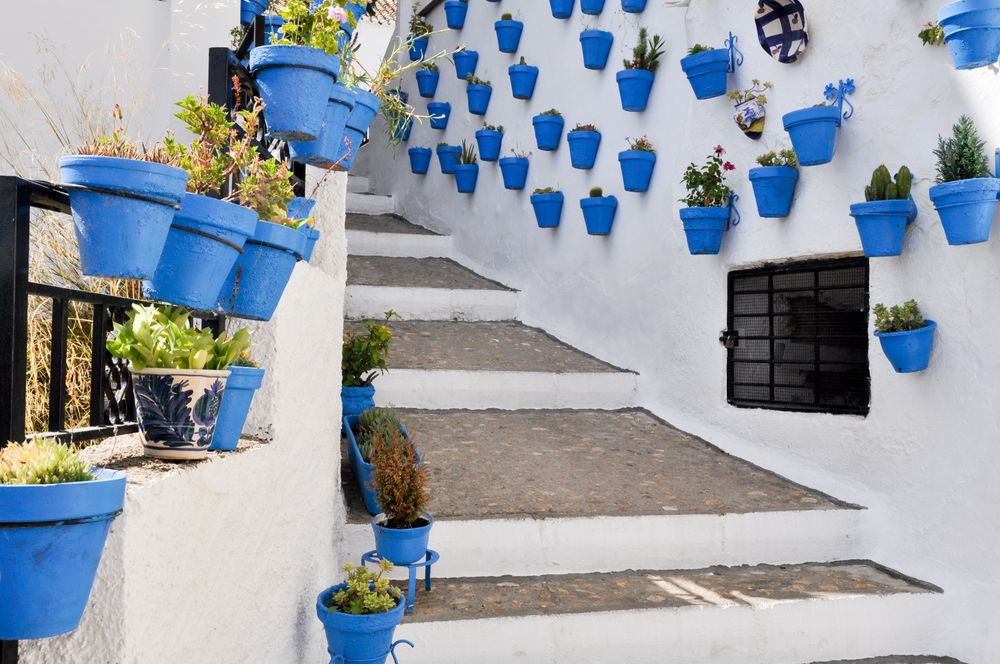
These charming homes are often characterised by whitewashed walls, terracotta roofs, and decorative tiles.
They can be found in both urban and rural settings, reflecting the region’s cultural heritage.
- Villas and Fincas
Many buyers are drawn to spacious villas and rustic fincas (country houses) that provide a more tranquil environment.
These properties typically feature large gardens and are often situated in picturesque rural areas.
- Urban Apartments
In cities like Seville and Malaga Spain, urban apartments are popular among those seeking a cosmopolitan lifestyle.
These properties range from modern developments to historic buildings, offering various amenities.
- Luxury Homes
Andalusia is home to some stunning luxury properties, particularly along the Costa del Sol.
These high-end homes often come with spectacular sea views, private pools, and expansive outdoor spaces.
- Commercial Real Estate
Investment opportunities in commercial real estate are also viable in Andalusia.
Properties such as restaurants, shops, and hotels cater to the thriving tourism sector.
Legal Considerations for Buyers
Purchasing property in Andalusia involves various legal considerations that prospective buyers should carefully navigate.
Understanding the legal framework is essential to ensure a smooth transaction:
- Title Deed and Documentation
It is crucial that buyers verify the title deed of a property to ensure that it is free from debts and encumbrances.
A notary will usually be responsible for drafting the purchase contract and registering the transfer with the Land Registry.
- Taxes and Costs
Buyers should be aware of additional costs such as transfer tax (Impuesto de Transmisiones Patrimoniales), which varies depending on the purchase price.
Other expenses include notary fees, registration fees, and legal fees.
- Residency and Visa Requirements
Foreigners looking to buy property in Spain may be eligible for a residency visa, particularly for those investing significant funds.
It’s advisable to consult with legal experts on local laws relating to property ownership.
Trends in Property Demand
The property market in Andalusia has seen notable trends in demand driven by various factors:
- Increased Interest from International Buyers
Over recent years, the region has attracted a considerable number of international buyers seeking holiday homes or permanent residences, particularly from the UK and countries in Northern Europe.
- Shift Towards Rural and Coastal Properties
Following the pandemic, there has been a noticeable shift in buyer preferences towards more spacious properties in rural areas or coastal locations, as remote working arrangements become more common.
- Sustainable and Eco-Friendly Developments
As environmental concerns take centre stage, more developers in Andalusia are focusing on sustainable building practices, offering eco-friendly homes that cater to a growing environmentally conscious market.
- Rental Market Growth
The demand for rental properties, especially in tourist hotspots, continues to rise, driven by the ever-popular short-term rental market and long-term expatriate communities. Investors view this as a promising opportunity.
Education and Research
Education and research play a significant role in shaping the future of Andalusia.
The region boasts a network of educational institutions committed to innovation, cultural preservation, and social development.
Universities and Higher Education
Andalusia is home to several esteemed universities that contribute to the academic landscape of Spain.
Notable institutions include:
- University of Seville: One of the largest and most renowned universities in the region, it offers a wide range of undergraduate and postgraduate programmes across various disciplines.
- University of Granada: Known for its strong emphasis on research and international collaboration, this university attracts students from all over the world.
- University of Cádiz: This institution focuses on marine and environmental sciences, reflecting its coastal location and commitment to sustainability.
- University of Jaén: A younger university that has quickly gained reputation in fields such as health sciences and technology.
- University of Málaga: A hub for biomedical research and social sciences, it actively promotes innovation and entrepreneurship.
These universities not only provide quality education but also actively engage in research initiatives that address pressing global challenges.
They foster a vibrant academic community characterised by diverse cultures and perspectives.
Research Centres and Innovation
Research in Andalusia is supported by various centres of excellence focusing on technological advancement and scientific discovery.
Key research centres include:
- Andalusian Centre for Biology Molecular and Regenerative Medicine (CABIMER): Specialising in molecular biology, CABIMER aims to translate research findings into tangible health solutions.
- Andalusian Institute of Technology (Adit): ADIT promotes innovation in technology and helps bridge the gap between academia and industry.
- Institute of Agricultural Research (IFAPA): Focused on agricultural innovations, it supports sustainable practices within the agricultural sector.
- Institute of Mediterranean Studies (CSIC): This institute conducts extensive research on Mediterranean climates, cultures, and ecosystems.
The collaboration between these research centres and universities forms a robust network that pushes the boundaries of knowledge and application, ensuring that Andalusia remains at the forefront of scientific and technological advancement.
Educational Initiatives and Outreach
In commitment to enhancing education, several initiatives and outreach programmes have been established across the region.
These include:
- Scholarship programmes: Designed to support underprivileged students in accessing higher education.
- Community engagement projects: Universities collaborate with local entities to address community issues, enhancing educational outreach.
- Internships and placements: Many universities have established links with businesses and organisations to provide practical experiences for students.
- Adult education programmes: Initiatives aimed at lifelong learning enable adults to gain new skills or enhance existing ones.
These initiatives not only contribute to academic growth but also promote social equity and community development across Andalusia.
By integrating research with practical applications, the educational landscape continues to evolve, fostering a culture of innovation and sustainability.
Infrastructure and Transport
Andalusia boasts a well-developed infrastructure that supports both its economic growth and tourism.
The region’s transport system is extensive and facilitates movement for residents and visitors alike, connecting cities, natural parks, and cultural sites.
Roads and Rail Networks
The road network in Andalusia is vital for both local commutes and tourism.
The primary motorway is the A-7, which runs along the Mediterranean coast, linking major cities such as Málaga, Cádiz and Almeria Spain.
Additionally, the A-92 connects Sevilla to Granada Spain, providing crucial access between these prominent cities.
In terms of rail transport, Andalusia is well-served by an extensive network of train routes.
The high-speed AVE trains connect key cities like Sevilla, Málaga, and Córdoba, making it possible to travel across the region quickly and comfortably.
Regional trains also offer essential services to smaller towns and rural areas.
Airports and Air Travel
Air travel is an essential part of Andalusia’s connectivity.
The region is home to several airports that cater to both domestic and international flights.
The most prominent among them is Málaga-Costa del Sol Airport, which is one of the busiest in Spain and serves as a gateway to the region.
- Seville Airport
Seville Airport offers numerous flights within Spain and some European destinations, complementing the travel options for those visiting the capital of Andalusia.
- Granada Airport
Granada Airport is smaller but provides important links to several Spanish cities and some charter flights during peak tourist seasons.
- Cádiz and Almería Airports
While Cádiz does not have a major airport, Almería Airport serves the eastern part of the region, connecting to various European destinations.
Public Transport Systems
Andalusia’s public transport systems include buses, trams, and metro services that enhance mobility within cities.
Each major city typically has its own public transport network, accommodating the needs of daily commuters and tourists.
- Bus Services
Local and intercity buses provide vital links throughout the region, enabling travel to towns and attractions not easily accessible by train.
- Metro Systems
Seville is the only Andalusian city with a metro system, which efficiently connects various districts, making it easier for residents and visitors to navigate the city.
- Tram Services
In addition to buses, some cities such as Málaga feature tram lines that offer a convenient mode of transport within urban areas.
Local governance and politics in Andalusia play a vital role in shaping the region’s socioeconomic landscape.
The structure is designed to ensure autonomy and address the unique needs of its diverse population.
Local Governance and Politics
The Autonomous Community System
Andalusia is one of the 17 autonomous communities of Spain, enjoying a degree of self-governance granted by the Spanish Constitution of 1978.
This framework allows the region to manage its affairs, including education, health, and territorial planning, while still being part of the Spanish state.
The Statute of Autonomy, established in 1981, further delineates the powers and responsibilities of the Andalusian government, ensuring that local issues can be addressed more effectively.
This system empowers the regional parliament and government to enact laws and regulations that reflect the community’s unique cultural and social characteristics.
Regional Government Structure
The regional government of Andalusia is composed of two main bodies: the Parliament of Andalusia and the Junta de Andalucía.
The Parliament, elected by the citizens, consists of 109 members who serve four-year terms.
It plays a crucial role in legislation and oversight of the regional government.
The Junta de Andalucía, led by the President, executes laws and manages public administration.
Various ministries within the Junta focus on specific areas, including education, health, and economic development, providing a comprehensive approach to governance.
- Parliament of Andalusia:
- Composed of 109 members.
- Responsible for legislative functions and regional oversight.
- Elected every four years by a public vote.
- Junta de Andalucía:
- Headed by the President of Andalucía.
- Responsible for implementing laws and public administration.
- Includes various ministries focusing on different governance areas.
Economic Diversification Goals
The economy of Andalusia has traditionally relied on a few key sectors, such as agriculture and tourism.
However, to foster long-term growth and reduce vulnerability, the region aims to diversify its economic base.
Efforts include:
- Developing emerging industries like technology and renewable energy.
- Supporting small and medium-sized enterprises (SMEs) through grants and training programmes.
- Encouraging innovation in traditional sectors to enhance productivity.
Furthermore, investments in research and development are crucial for attracting new businesses and talent to the area, fostering an entrepreneurial ecosystem that can compete on a global scale.
Environmental Sustainability
With unique natural parks and diverse ecosystems, Andalusia is committed to environmental sustainability.
The region faces challenges such as climate change, pollution, and habitat loss.
Key initiatives include:
- Implementing conservation strategies in protected areas like Doñana National Park to preserve biodiversity.
- Promoting sustainable agriculture practices that reduce water usage and enhance soil health.
- Investing in renewable energy sources, such as solar and wind power, to decrease reliance on fossil fuels.
These measures not only aim to protect the environment but also enhance the quality of life for residents and visitors alike.
Social and Cultural Preservation
Andalusia’s social fabric is enriched by its diverse cultural heritage.
However, rapid urbanisation and globalisation pose threats to local traditions and languages.
To address these issues, strategies include:
- Supporting local artisans and promoting traditional craftsmanship to keep cultural practices alive.
- Integrating cultural education in schools to instill pride and knowledge in younger generations.
- Encouraging community-led initiatives that celebrate local festivals and traditions.
By fostering a sense of collective identity, Andalusia can ensure its rich cultural narratives continue to thrive in the face of modern challenges.
Interactive Experiences and Activities
Exploring Andalucia offers numerous interactive experiences that highlight the region’s rich heritage and stunning natural landscapes. From exhilarating outdoor adventures to engaging cultural activities, visitors can immerse themselves in the unique spirit of this vibrant area.
Outdoor Adventures
Hiking in Sierra Nevada
The Sierra Nevada mountain range provides a spectacular setting for hiking enthusiasts.
With its diverse terrain and breathtaking views, this region boasts numerous trails suitable for all levels of experience.
Walk through lush valleys, ascend to high peaks, and witness the stunning landscapes that vary with the seasons.
Popular routes include:
- The Mulhacén Trail, which leads to the highest peak in the Iberian Peninsula.
- The Poqueira Gorge hike, famed for its scenic beauty and traditional villages.
- The trails around Trevélez, known for its picturesque charm and high-altitude walking.
In addition to hiking, visitors can engage in rock climbing, mountain biking, and birdwatching, providing an all-encompassing adventure for nature lovers.
Beaches and Water Activities
Andalucia’s coastline features stunning beaches along the Costa del Sol and Costa de la Luz, ideal for water-related activities.
The warm Mediterranean climate promotes year-round beach enjoyment, attracting locals and tourists alike.
Activities include:
- Swimming and sunbathing on the golden sands of Málaga and Cádiz.
- Water sports such as windsurfing and kitesurfing, particularly in Tarifa, known for its strong winds.
- Diving in the crystal-clear waters, offering opportunities to explore vibrant marine life.
Many beach resorts offer lessons and equipment rentals, making it accessible for everyone to partake in these activities.
Cultural Tours and Workshops
Delving into Andalucia’s rich cultural heritage is an experience not to be missed.
From expert-led tours to hands-on workshops, the region offers an array of activities that immerse visitors in its storied past and vibrant traditions.
Guided tours often showcase:
- The architectural wonders of Granada, including the Alhambra and the historic Albaicín district.
- The flamenco scene in Seville, where visitors can learn about this passionate dance form and enjoy live performances.
- Wine-tasting tours in the renowned vineyards of Jerez, which highlight the region’s production of sherry.
Workshops in traditional crafts such as pottery and tile-making are also available, allowing participants to create their own pieces while learning about techniques used for generations.
Culinary Experiences and Tastings
The gastronomy of Andalucia is an exciting aspect of its cultural identity.
Culinary experiences ranging from tapas tours to cooking classes allow visitors to savour local flavours and learn about the region’s culinary techniques.
Activities may include:
- Joining a tapas tour in Seville, sampling local delicacies such as jamón ibérico, gazpacho, and various seafood dishes.
- Participating in a cooking class that focuses on traditional dishes, with plenty of opportunities to cook with fresh, local ingredients.
- Olive oil tasting sessions, where visitors can discover the subtleties of different olive oils produced in the area.
These culinary experiences not only enrich the taste buds but also provide insights into the heart of Andalucian culture.
Maps and Guides
Understanding the geography and layout of Andalusia Spain is essential for navigating this diverse region.
Maps and travel guides play a vital role in discovering its many attractions.
Navigating Andalusia: Essential Maps
When exploring Andalusia, having the right maps can greatly enhance the travel experience.
Various types of maps are available catering to different needs:
- Tourist Maps: These maps typically highlight key attractions, points of interest, and recommended routes throughout major cities and regions.
- Road Maps: Comprehensive road maps are invaluable for those driving through the countryside, providing essential details on highways, local roads, and off-the-beaten-path routes.
- Walking Maps: Designed for pedestrians, these maps focus on walking routes within cities, indicating pedestrian-only areas, historical sites, and popular neighbourhoods.
- Topographical Maps: Perfect for outdoor enthusiasts, these maps reveal the elevation, terrain, and natural features, aiding activities such as hiking and mountain biking.
Digital and Printed Travel Guides
In the digital age, travel guides come in both printed and electronic formats, offering flexibility for users based on their preferences and travel styles.
- Printed Travel Guides: Established publications provide in-depth information about history, culture, local customs, and practical travel tips. They often contain maps and suggested itineraries that cater to various interests.
- Digital Travel Guides: Many organisations offer downloadable apps or e-books that include interactive maps, real-time updates, and user-generated content. These guides are frequently updated and can assist in planning activities while on the go.
- Online Resources: Numerous websites and blogs feature helpful articles, recommendations, and travel tips specifically for Andalusia, encouraging exploration of unique and lesser-known locations.
Yours Free
Please click / tap on the image below:
If you would like to read about other important points for living / moving to Spain, here are other useful articles we wrote: