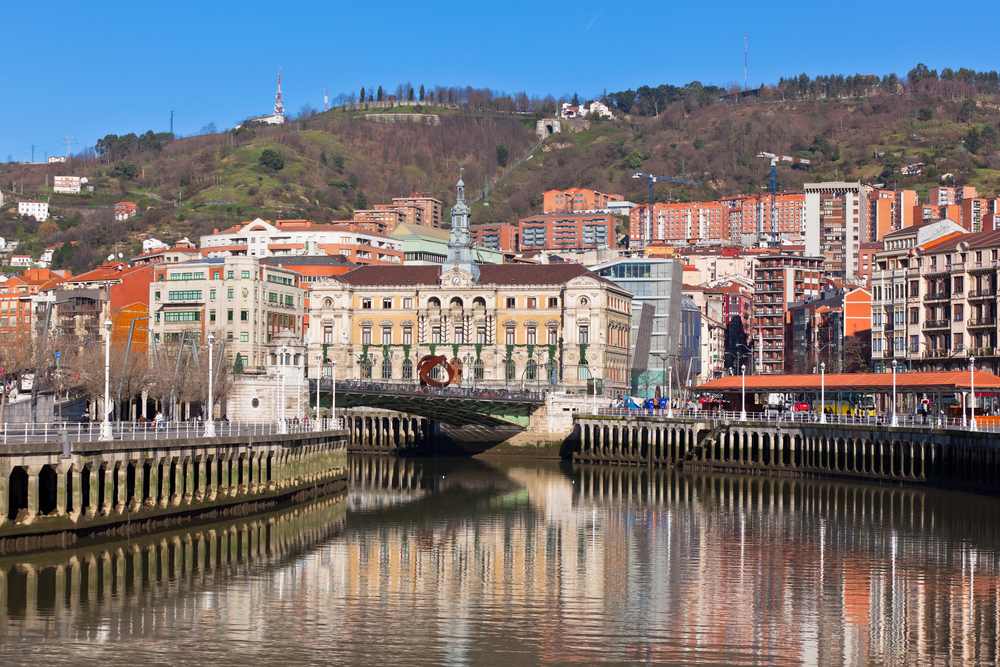
Vitoria-Gasteiz is the capital of the Basque Country in Spain.
Known for its rich history, it offers a blend of medieval architecture and modern urban planning.
The city has a vibrant cultural scene and is recognised for its commitment to sustainability.
Vitoria Spain is also an important economic centre with various industries contributing to its growth.

Before we start… Yours Free
Please click / tap on the image below:

Historical Overview of Vitoria Spain
The historical narrative of Vitoria-Gasteiz is rich and multifaceted, reflecting its evolution through various epochs and significant events.
This overview presents key moments that shaped the city and its identity.
Foundations and Early History
The origins of Vitoria-Gasteiz can be traced back to its establishment as Victoriacum by the Visigothic king Liuvigild in the year 581 AD.
The precise location of this ancient city remains a subject of scholarly debate.
However, in 1181, Sancho VI of Navarre founded what is known today as Nova Victoria atop a hill, strategically located to safeguard against invasions.
This new settlement marked a pivotal moment in the region’s history, creating a fortified site that would flourish over the centuries.
The Battle of Vitoria and Its Significance
A major chapter in Vitoria-Gasteiz’s history is defined by the Battle of Vitoria, which occurred on June 21, 1813.
This pivotal event saw the allied forces of Britain, Portugal, and Spain, under the command of the Duke of Wellington, defeat the French army.
The repercussions of this victory were profound, facilitating the end of the French occupation in Spain.
In commemorating this landmark event, a monument was erected in the Plaza de la Virgen Blanca, symbolising its importance in both local and national contexts.
Vitoria-Gasteiz in the 19th Century
The 19th century witnessed significant transformations within Vitoria Spain as it adapted to the political and social changes sweeping across Spain.
The city gained recognition as a provincial capital and began to develop its infrastructure and economy.
This period also saw an increasing emphasis on the arts and education, with institutions being established that would lay the groundwork for future generations.
The architectural landscape evolved, reflecting both the historical roots and modern aspirations of the city.
Geography and Climate of Vitoria, Spain
Vitoria-Gasteiz is surrounded by stunning natural landscapes and enjoys a climate that significantly influences its lifestyle and tourism.
Natural Surroundings and Landscape
The city is set in a unique geographical location, nestled in a valley and bordered by the Zadorra River.
This positioning gives Vitoria-Gasteiz access to picturesque hills and green spaces, which are integral to the local ecosystem.
The surrounding landscape is characterised by rolling hills, forests, and farmlands, offering a rich biodiversity that enhances the region’s appeal.
The city’s commitment to maintaining its natural surroundings is evident in various urban parks and green belts that promote outdoor activities.
The “Green Ring” is a particularly notable feature, encircling the city with a network of walking and cycling paths, enhancing the quality of life for residents while showcasing the area’s natural beauty.
Weather Patterns in Vitoria
The climate in Vitoria-Gasteiz is considered Mediterranean continental, featuring distinct seasons that provide a variety of weather throughout the year.
The city experiences warm summers and cool winters, making it an attractive destination all year round, as San Sebastian Spain.
Seasonal Variations
In spring, temperatures start to rise, averaging between 10°C and 20°C, accompanied by blooming flowers and a revitalisation of green spaces.
Summers can be quite pleasant, with average highs around 26°C, though it can occasionally soar higher during heatwaves.
Autumn brings a similar range of temperatures but often features beautiful foliage.
Winters, on the other hand, can be chilly, with average lows dropping to about 1°C, and occasional snowfall adding a layer of charm to the city.
Climate Impact on Tourism
The varied weather in Vitoria Spain significantly influences tourism throughout the year.
The mild summers attract numerous visitors who enjoy outdoor festivals, local gastronomy, and cultural events.
Meanwhile, the cooler months lend themselves to tourism focused on its historical landmarks and indoor attractions.
Visitors can appreciate the city’s wealth of culture irrespective of the season, as each brings a unique flavour to the experience.
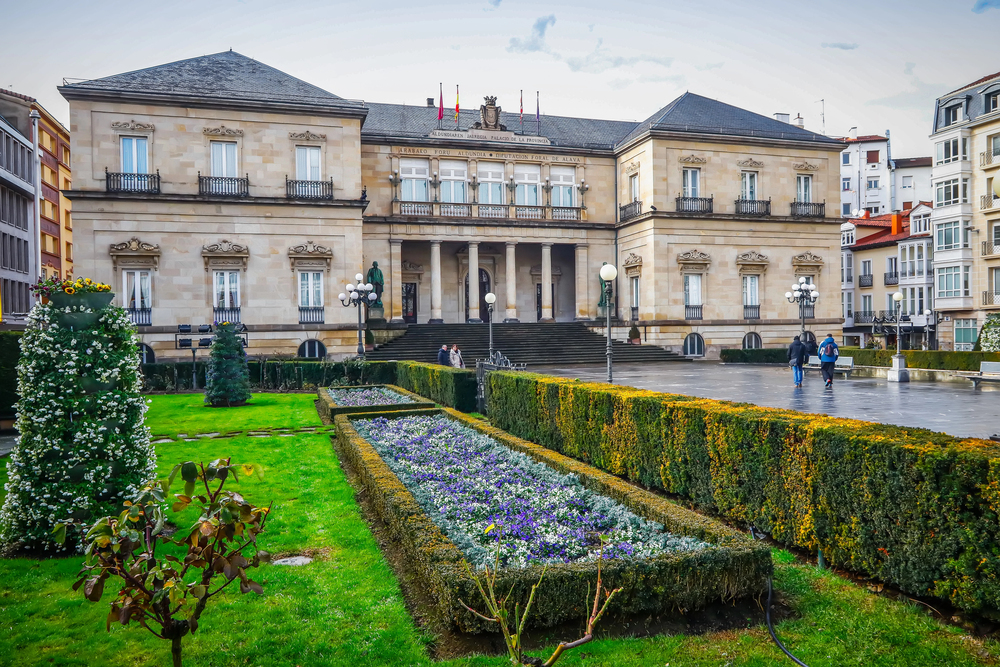
Economic Growth and Industry
Vitoria-Gasteiz has experienced significant economic growth driven by a diverse industrial base and strategic development initiatives.
This transformation has positioned the city as a notable player within the regional economy.
Major Industries in Vitoria-Gasteiz
The economy of Vitoria-Gasteiz is characterised by a mixture of traditional and modern industries.
Key sectors include:
- Automotive Industry: The city is home to several automotive manufacturers, contributing substantially to local employment and innovation.
- Aerospace Sector: Vitoria-Gasteiz is increasingly recognised for its role in the aerospace industry, hosting companies that specialise in aircraft components and technology.
- Health and Pharmaceuticals: A robust healthcare sector has emerged, with numerous firms focusing on pharmaceutical production and medical device manufacturing.
- Food and Beverage: The viticulture industry flourishes in the surrounding regions, complemented by a thriving food sector that showcases local products.
Development in the 20th Century
The 20th century marked a pivotal phase for Vitoria Spain as it transitioned from a largely agricultural economy to an industrial powerhouse.
The establishment of various manufacturing plants and the expansion of service industries facilitated substantial job creation.
Urban development policies and investment in infrastructure fostered an environment conducive to growth.
Key developments included:
- Expansion of industrial zones and parks.
- Investment in transport infrastructure, enhancing connectivity with other regions.
- Promotion of technology and innovation through partnerships with educational institutions.
Role of Industrial Parks
Industrial parks have played a crucial role in the economic landscape of Vitoria Spain.
These zones provide purpose-built facilities that accommodate a variety of industries, fostering collaboration and efficiency. The benefits of these industrial parks include:
- Attraction of foreign investment, strengthening the local economy.
- Creation of specialised clusters that promote innovation and shared resources.
- Support for small and medium-sized enterprises (SMEs), ensuring their growth and sustainability.
Overall, the economic vitality of Vitoria-Gasteiz is a testament to its strategic planning and commitment to fostering a diverse industrial base.
Cultural Heritage and Attractions
Vitoria Spain boasts a rich cultural heritage, offering an array of historical landmarks and attractions that reflect its storied past.
From well-preserved medieval architecture to contemporary art, the city provides visitors with diverse experiences.
The Old Town and Medieval Architecture
The Old Town of Vitoria-Gasteiz is a captivating area where history unfolds through its narrow streets and ancient buildings.
Its medieval layout still retains the charm of bygone eras, inviting exploration and discovery. Key features include:
- City walls: Remnants of ancient fortifications that protected the town.
- Plazas: Lively squares such as Plaza de la Virgen Blanca, vibrant with local activity.
- Historical homes: UNESCO-recognised buildings that showcase traditional architecture.
Santa Maria Cathedral and Gothic Architecture
The Santa Maria Cathedral is an emblem of Vitoria Spain, renowned for its stunning Gothic architecture.
This architectural marvel has undergone significant restoration, enhancing its legacy as a cultural icon.
Restoration Projects
Recent restoration projects focused on revitalising the cathedral have unveiled hidden historical features and improved overall preservation.
These projects illustrate the commitment to maintaining heritage while accommodating modern needs.
Architectural Highlights
Key architectural elements of the cathedral include:
- Stunning stained glass windows depicting biblical scenes.
- Intricate stonework that exemplifies Gothic artistry.
- A majestic bell tower offering panoramic views of the city.
Museums and Galleries
The cultural scene is enriched by a variety of museums and galleries, each contributing to the artistic narrative of Vitoria-Gasteiz.
Fine Arts Museum
The Fine Arts Museum houses an impressive collection that spans several centuries.
The collection includes works from both local and international artists, with notable pieces from the Renaissance to contemporary art.
Contemporary Art Installations
Beyond traditional art, Vitoria-Gasteiz embraces modernity with a range of contemporary art installations.
These exhibitions frequently change, showcasing the work of emerging artists and providing a platform for artistic dialogue.
Festivals and Events in Vitoria Spain
Vitoria-Gasteiz thrives with vibrant festivals and cultural events throughout the year.
These celebrations showcase the city’s rich heritage and contemporary spirit, attracting both locals and visitors alike.
The Virgen Blanca Celebrations
The Virgen Blanca Celebrations are one of the most anticipated events in Vitoria-Gasteiz, taking place in early August.
This festival honours the city’s patron saint, the Virgen Blanca, and culminates in a lively week of festivities.
Activities during the celebration include:
- Vibrant parades featuring intricate floats and traditional costumes.
- Musical performances in various genres, from folk to contemporary.
- Street markets offering local delicacies and crafts.
The atmosphere is electric, with locals and tourists taking part in the festivities, dancing, and enjoying the stunning fireworks display that marks the end of the week-long celebration.
Vitoria-Gasteiz Jazz Festival
The Vitoria Spain Jazz Festival, held annually in July, has gained international acclaim, attracting renowned jazz musicians and enthusiasts from around the globe.
The event transforms the city into a jazz haven, delivering a diverse programme of performances in various venues.
Notable features of the festival include:
- Outdoor concerts in picturesque plazas.
- Workshops and masterclasses led by prominent jazz artists.
- Cultural exchanges and networking opportunities for up-and-coming musicians.
This festival not only highlights the city’s commitment to the arts but also fosters a lively community spirit, with many attendees enjoying the music late into the night.
Yours Free
Please click / tap on the image below:
Azkena Rock Festival
The Azkena Rock Festival, typically held in late June, is a must-attend event for rock music fans.
This festival showcases a mix of international rock legends and emerging artists, creating an eclectic line-up that never disappoints.
Festival goers can expect:
- Multiple stages featuring an array of rock genres.
- Food stalls serving local and international cuisine.
- Merchandise stands where fans can find exclusive memorabilia.
The festival creates a unique atmosphere that celebrates rock culture, with fans gathering to appreciate the music and enjoy the vibrant festival spirit in the heart of Vitoria Spain.
Sustainability and Environmental Initiatives
Vitoria-Gasteiz has become a leading example of urban sustainability and environmental responsibility.
The city has implemented various initiatives to enhance the quality of life for its residents while preserving the natural environment.
European Green Capital Award
In recognition of its efforts towards environmental sustainability, Vitoria Spain was awarded the title of European Green Capital in 2012.
This prestigious accolade highlights the city’s commitment to integrating ecological practices into urban planning.
The award lauds initiatives aimed at reducing carbon emissions, promoting biodiversity, and enhancing green spaces throughout the city.
The Green Ring and Urban Parks
The Green Ring is a remarkable project designed to connect multiple parks and natural areas surrounding Vitoria Spain.
It promotes outdoor activities and offers residents an opportunity to engage with nature within an urban setting.
The initiative features:
- Trail networks for walking, cycling, and jogging, encouraging healthy lifestyles.
- Ecological restoration projects that enhance biodiversity and habitat quality.
- Community gardens, allowing residents to participate in sustainable food production.
Urban parks within the city, like the Florida Park and the Parque de la Ciudadela, are vital green lungs for the community.
These areas provide recreational spaces along with serene environments for relaxation and social gatherings.
Sustainable Transport and Initiatives
Transport is a critical aspect of sustainability, and Vitoria-Gasteiz is making significant strides in promoting eco-friendly options.
The city’s comprehensive transport system includes:
- An efficient public transport network, featuring trams and buses that reduce reliance on personal vehicles.
- Well-developed cycling infrastructure, encouraging residents to choose bicycles over cars for short journeys.
- Promotion of electric vehicles through charging stations and incentives for their use.
These initiatives aim to improve air quality and reduce traffic congestion while fostering a culture of sustainability among residents.
The city continually invests in new projects to enhance green transportation alternatives, making it easier for individuals to make environmentally conscious choices.
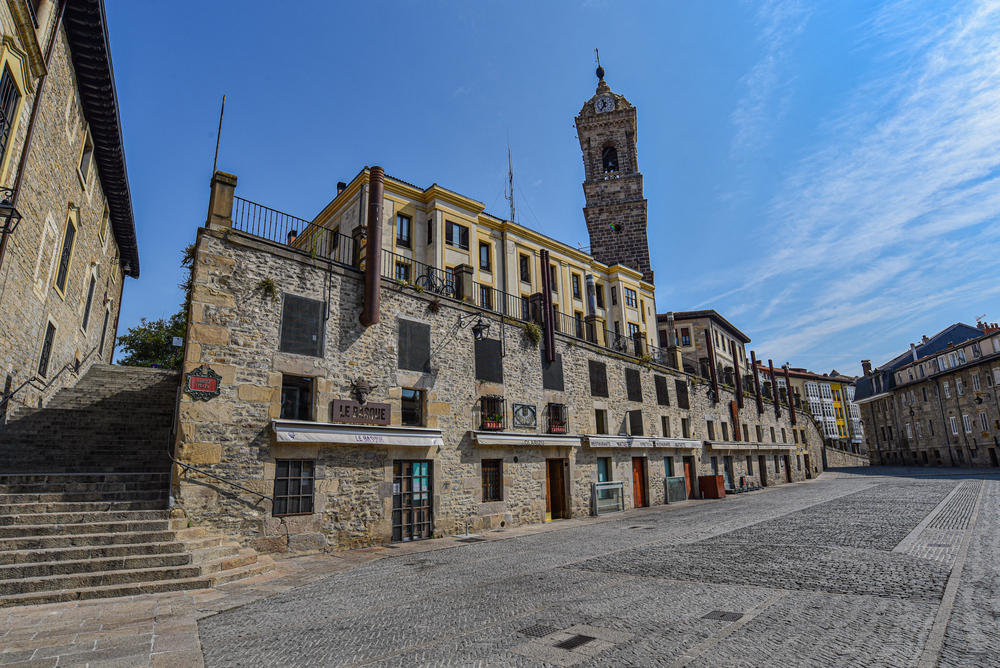
Transportation and Accessibility
The transportation system in Vitoria-Gasteiz is well-developed, providing efficient options for both residents and visitors.
The city’s accessibility is enhanced by various transport modalities that connect it seamlessly to key regions and urban areas.
Vitoria Airport and Regional Connectivity
Located just 5 kilometres from the city centre, Vitoria Airport serves as the primary gateway for both domestic and international flights.
The airport has seen steady improvements over the years, facilitating connections to major cities across Spain and Europe.
Regular flights are available to popular destinations, making it easy for travellers to reach the city quickly.
The airport also provides essential services and amenities to enhance passenger experience, including car rental facilities and parking options.
Public Transport in the City
The public transport network in Vitoria Spain is comprehensive and user-friendly, encompassing various modes of transit.
This enables efficient movement throughout the city and neighbouring areas.
Tram and Bus Services
The tram system is a modern feature of Vitoria’s transport infrastructure, offering rapid and efficient transit across key parts of the city.
With frequent service and conveniently located stops, it provides an excellent way for locals and tourists to navigate the urban landscape.
In addition, the bus network complements the tram system, connecting more remote neighbourhoods with the city centre.
Both services operate on a reliable schedule and accept various fare options, including multi-ride tickets and day passes.
Cycling Infrastructure
Cycling is increasingly popular in Vitoria Spain, supported by a well-planned infrastructure designed for both safety and convenience.
The city boasts numerous dedicated cycle lanes and bike-sharing schemes, encouraging residents to opt for eco-friendly transport.
This initiative has not only improved mobility but has also contributed positively to the environment and public health.
Road and Rail Links to Major Cities
Vitoria-Gasteiz benefits from an extensive network of road and rail connections that link it with major cities such as Bilbao Spain, San Sebastián, and Madrid.
The city is situated at the crossroads of several important motorways, facilitating easy access for motorists.
The rail services provide efficient connections, with regular trains departing to both regional and national destinations.
This connectivity plays a critical role in supporting the local economy and promoting Vitoria-Gasteiz as a favourable location for businesses and tourism.
Education and Innovation
The education system in Vitoria-Gasteiz is highly regarded, providing a solid foundation for both academic and professional pursuits.
The city fosters innovation through collaborations between educational institutions and industries.
Universities and Research Centres
Vitoria-Gasteiz is home to several prominent universities and research centres that attract students from various regions.
A notable institution is the University of the Basque Country, which offers a wide array of degree programmes across multiple disciplines.
The university is particularly known for its strong emphasis on research and innovation.
Additionally, the city hosts specialised research centres that focus on cutting-edge developments in fields such as biotechnology, renewable energy, and engineering.
These centres play a crucial role in contributing to local and regional economic growth by providing innovative solutions to industry challenges.
Collaborative Industry Partnerships
Collaboration between academic institutions and local industries is a hallmark of Vitoria-Gasteiz’s approach to education.
Through various initiatives, universities and research centres engage with businesses to facilitate knowledge transfer and technological advancements.
These partnerships often lead to:
- Joint research projects that address specific industry needs
- Internships and work placements for students, enhancing their employability
- Conferences and seminars to discuss trending topics and innovations
Such collaborations not only benefit students but also promote a culture of innovation within the local economy.
Companies are able to tap into the latest research and skilled graduates, driving competitiveness and growth.
Training Programmes and Student Life
The city offers diverse training programmes that supplement academic education.
Many vocational courses and workshops are designed to equip students with practical skills required in the job market.
These programmes cater to various sectors including technology, health, and arts.
Student life in Vitoria Spain is dynamic, with numerous extracurricular activities and organisations available.
This vibrant atmosphere fosters a strong sense of community among students, encouraging them to engage in cultural events, sports, and volunteer opportunities.
Such experiences enhance their educational journey and aid personal development.
Prominent Figures and Cultural Influences
Vitoria-Gasteiz has produced numerous notable individuals whose contributions have significantly shaped the cultural and historical landscape of the city.
From artists to musicians, these figures reflect the diverse heritage and vibrant cultural milieu of the region.
Influential Residents Through History
Throughout its rich history, Vitoria Spain has been home to many prominent figures.
Key individuals have left their mark in various fields, enriching the city’s culture.
- Ludwig van Beethoven: Although not a resident, Beethoven dedicated his Opus 91, titled ‘La Victoria’, to the famous Battle of Vitoria, thus tying his legacy to the city’s history.
- Francisco de Goya: The renowned painter is believed to have spent time in Vitoria during his youth, which influenced his early artistic development.
- Émile Verhaeren: The Belgian poet admired the region’s natural beauty and often referenced the landscapes of Vitoria in his works.
Vitoria-Gasteiz in Art and Music
The artistic scene in Vitoria Spain is vibrant and well-preserved, marked by historical and contemporary influences.
The city has cultivated an environment where art and culture thrive.
- Art Galleries and Exhibitions: The city hosts various exhibitions showcasing local artists alongside international talents, providing a platform for creative expression.
- Classical Music Festivals: Events such as the Vitoria-Gasteiz Jazz Festival celebrate the musical heritage of the area, drawing both local and international musicians.
- Theatre and Performing Arts: Local theatre companies regularly perform classic and contemporary works, fostering a rich cultural dialogue.
Yours Free
Please click / tap on the image below:
If you would like to read about other important points for living / moving to Spain, here are other useful articles we wrote: