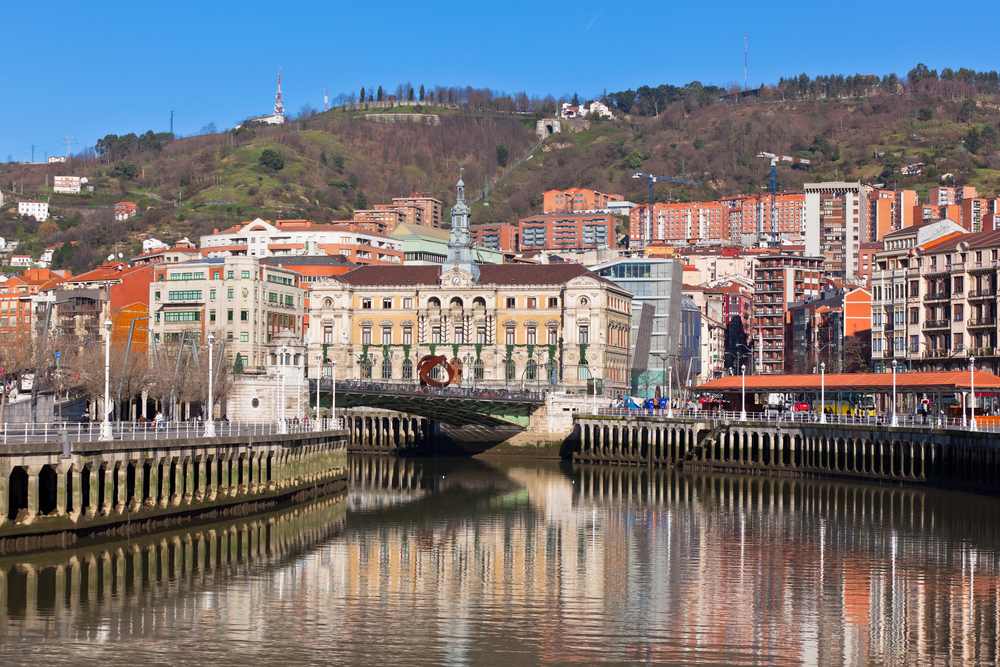
Bilbao is a vibrant city located in the Basque Country of northern Spain.
Known for its rich history and cultural landmarks, it has transformed from an industrial hub into a significant centre for arts and tourism.
The city boasts a unique blend of traditional and modern architecture, exemplified by the Guggenheim Museum.
With a diverse culinary scene and beautiful natural surroundings, Bilbao Spain offers a wide range of experiences for visitors and residents alike.

Before we start… Yours Free
Please click / tap on the image below:

History and Evolution of Bilbao Spain
The history of Bilbao is marked by significant transformations that have shaped its identity over the centuries.
From its early foundations as a merchant settlement to its modern-day status as a cultural hub, the city’s journey reflects resilience and adaptation to change.
Early Foundations
Bilbao was founded in 1300 by Diego López de Haro, taking advantage of its strategic location along the Nervión River.
This site was chosen for its natural harbour, which facilitated trade and commerce with other regions.
Initially, the town thrived on the export of wool and iron, essential commodities for the growing economy of the Crown of Castile.
During these early years, Bilbao Spain developed a layout that would become the foundation of its urban structure, characterised by narrow streets and fortified walls.
Industrial Growth in the 19th Century
The 19th century heralded a period of remarkable industrialisation in Bilbao.
The discovery of iron ore in the surrounding hills led to a boom in the steel industry, attracting workers and spurring rapid urbanisation.
This era saw the construction of factories, railways, and a bustling port, establishing Bilbao Spain as a vital industrial centre.
- Steel Production: The city became known for its steel factories, contributing significantly to Spain’s industrial output.
- Mining: The extraction of iron ore fostered further economic development, with the region’s resources being pivotal in industrial growth.
- Trade Expansion: Increased shipping traffic through its port enhanced Bilbao’s role as a trading hub.
Socio-economic Challenges and Revitalisation
The mid-20th century brought significant socio-economic challenges to Bilbao Spain.
The decline of traditional industries, coupled with the impact of the Spanish Civil War and subsequent decades of economic stagnation, led to high unemployment and urban decay.
Many residents left in search of better opportunities elsewhere.
However, the return to democracy in the late 1970s marked the beginning of a revitalisation process.
Efforts included:
- Urban Regeneration: Major projects aimed at restoring the infrastructure and enhancing living conditions were initiated.
- Cultural Initiatives: The opening of cultural venues, including the Guggenheim Museum, played a key role in transforming the city’s image.
- Community Engagement: Local initiatives sought to involve citizens in the city’s development, revitalising community spirit.
Bilbao in the 21st Century
The 21st century has continued to witness Bilbao’s evolution as a modern, dynamic city.
Emphasising culture and sustainability, the city has harnessed its industrial past while embracing new opportunities.
Innovative urban projects have transformed the landscape, promoting a blend of historical preservation and modernity.
Key aspects of this ongoing transformation include:
- Strategic Cultural Investments: Continued investment in cultural institutions has made Bilbao Spain a magnet for tourism and artistic expression.
- Environmental Sustainability: Initiatives aimed at improving urban green spaces and promoting sustainable practices have been implemented.
- Economic Diversification: Bilbao’s economy has evolved to include services, technology, and tourism, reducing dependence on traditional industries.
The Guggenheim Museum and Cultural Transformation
The Guggenheim Museum in Bilbao Spain stands as a pivotal element in the city’s cultural renaissance.
Its innovative architecture and diverse exhibitions have greatly influenced both local and international perceptions of the city.
Architectural Significance
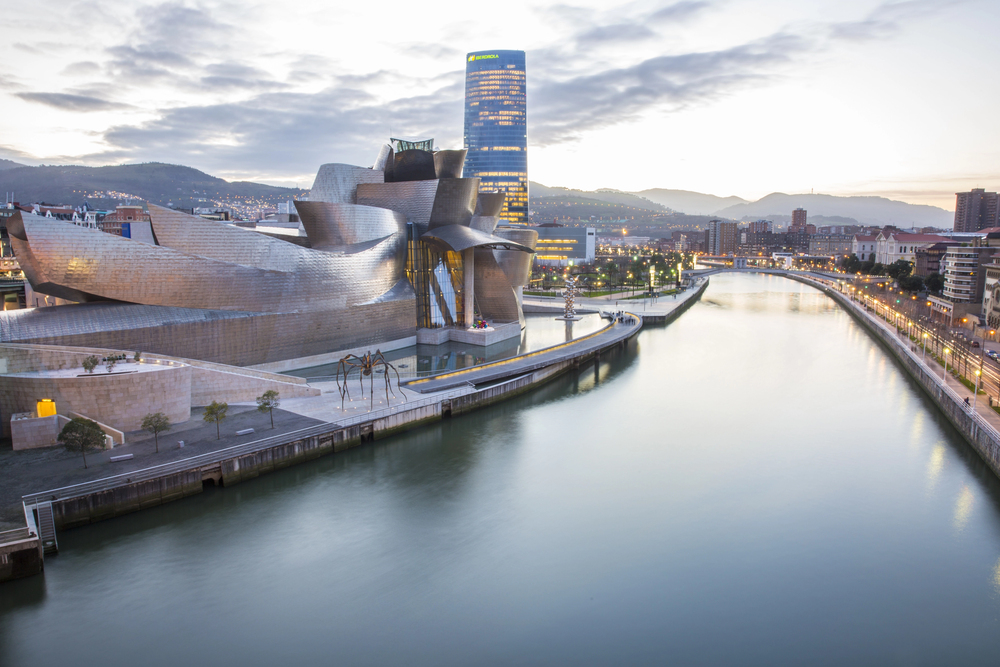
Designed by the renowned architect Frank Gehry, the Guggenheim Museum opened its doors in 1997.
Its groundbreaking design features flowing forms and intricate curves, showcasing a remarkable interplay of titanium, glass, and limestone.
The building itself has become an artwork, as its structure mimics the fluidity and dynamism of contemporary art.
Key aspects of its architectural significance include:
- The use of organic shapes that challenge conventional design norms.
- Integration with its surroundings, including the Nervion River and the historic district.
- Innovative construction techniques that push the boundaries of architectural possibilities.
This architectural marvel has redefined the landscape of Bilbao Spain, transforming it into a global destination for art and cultural enthusiasts.
Impact on Tourism
The Guggenheim Museum has had a profound impact on tourism in Bilbao.
Since its inauguration, the museum has attracted millions of visitors from around the world, significantly boosting the local economy.
Key impacts include:
- The creation of thousands of jobs in tourism, hospitality, and related services.
- An increase in visitor numbers leading to a revitalisation of local businesses.
- The positioning of Bilbao Spain as a cultural hub within Europe, fostering international partnerships and events.
As a result of its success, the museum has stimulated interest in Bilbao’s other cultural and historical offerings, contributing to a broader appreciation of the city.
Permanent and Temporary Exhibitions
The Guggenheim is known for its diverse range of exhibitions, which include both permanent collections and rotating temporary displays.
The permanent collection primarily showcases modern and contemporary art, featuring works from prominent artists such as Richard Serra and Jeff Koons.
Temporary exhibitions offer a platform for emerging artists and unique thematic explorations.
This includes:
- Seasonal exhibitions that highlight diverse artistic movements.
- Collaborations with other prestigious art institutions worldwide.
- Educational programs and workshops designed to engage various audiences.
This dynamic approach to exhibitions ensures that the museum remains a fresh and exciting destination, continually appealing to both locals and tourists alike.
Geography and Climate
The geography and climate of Bilbao Spain play a crucial role in shaping its unique character and lifestyle.
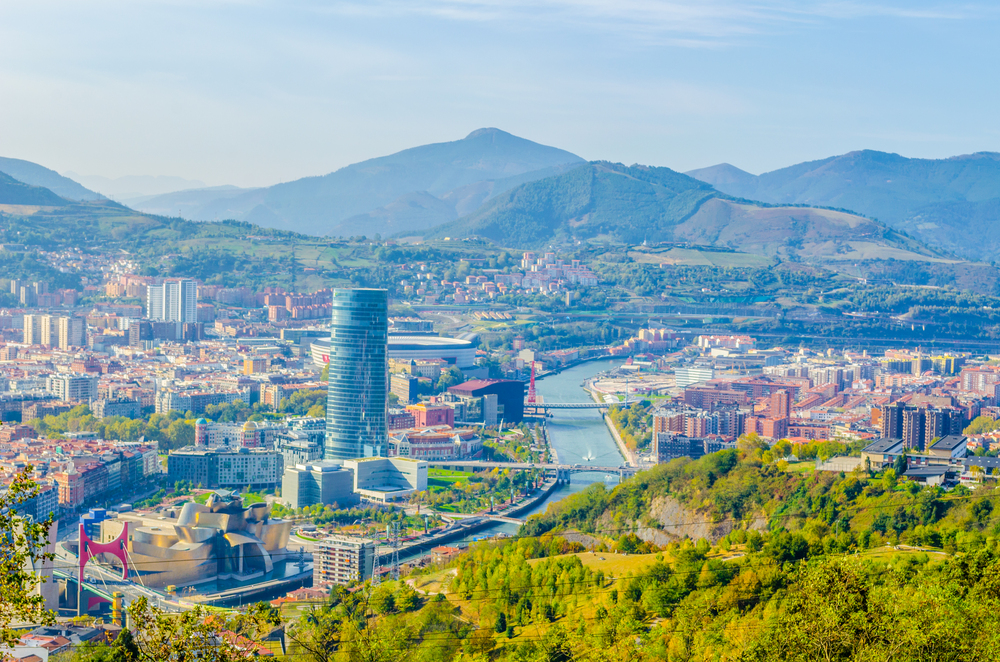
Nestled in a valley surrounded by steep hills, the city is influenced by its proximity to the coast and the river that flows through it.
This combination of natural features contributes to Bilbao’s diverse environment.
The Nervion River and its Importance
The Nervion River is a defining feature of Bilbao, running through the heart of the city and serving as an essential waterway since its foundation.
Historically crucial for trade and transportation, the river has undergone significant transformation over time.
Today, it is more than a transport route; it is a centrepiece for leisure and culture.
Walking paths and parks have been developed along its banks, creating a pleasant environment for both locals and visitors.
The river also supports a variety of wildlife, enhancing the city’s natural appeal and promoting biodiversity within an urban setting.
The Hills and Coastal Proximity
Bilbao is enveloped by the Cantabrian Mountains to the east and south, while the northern coastal region lies just a short distance away.
This geographical positioning contributes to stunning vistas and creates numerous opportunities for outdoor activities.
- The hills surrounding the city are ideal for hiking, offering trails with breathtaking views.
- Proximity to the coast allows for easy access to beaches, popular for sunbathing and water sports.
Weather Patterns throughout the Year
Bilbao Spain experiences a temperate oceanic climate, which results in mild winters and moderate summers.
This weather pattern is significantly influenced by its coastal location and surrounding mountains.
Winter and Summer Characteristics
Winters in Bilbao are generally cool, with temperatures typically ranging from 5°C to 12°C. Snow is rare but can occur in the surrounding hills.
On the other hand, summers are pleasantly warm, with temperatures averaging between 20°C and 25°C, making it an attractive time for outdoor events and activities.
Rainfall and Vegetation
Bilbao Spain receives substantial rainfall throughout the year, considerably contributing to its lush, green landscapes.
The city is often shrouded in mist and clouds, particularly during the autumn and winter months.
Rainfall averages around 1,300 mm annually, leading to a vibrant ecosystem.
This abundant precipitation nourishes the extensive vegetation in and around the city, including the iconic green spaces and parks.
The area’s flora, characterised by diverse plant species, adds to the overall aesthetic appeal and supports local fauna.
Exploring Bilbao: Things to Do
Bilbao offers a wealth of activities and attractions that highlight its unique culture and vibrant atmosphere.
Visitors can immerse themselves in the city’s rich history, culinary delights, and stunning architecture while enjoying various outdoor pursuits.
Old Town and the Casco Viejo
The Old Town, known as Casco Viejo, is the historical heart of Bilbao Spain.
It consists of narrow streets and quaint squares that invite exploration and discovery.
The area is a bustling hub of local life and a testament to the city’s heritage.
Traditional Shops and Bars
The streets of Casco Viejo are lined with traditional shops offering artisanal products and local specialties.
Visitors can wander through these charming boutiques, purchasing handcrafted items and souvenirs.
The many bars in the vicinity are perfect for sampling pintxos, the region’s beloved tapas-style snacks.
The San Anton Church
San Anton Church is a significant landmark located within the Old Town.
This impressive Gothic structure boasts a stunning wooden altarpiece and intricate stained glass windows.
Its location by the river adds to its charm, making it a must-visit for architecture enthusiasts.
Bilbao Fine Arts Museum
The Bilbao Fine Arts Museum is a cultural treasure.
It houses an extensive collection of artworks spanning centuries, featuring pieces by renowned artists such as Goya and Picasso.
The museum’s modern architecture blends seamlessly with its historical elements, providing an enriching experience for art lovers and casual visitors alike.
The Euskalduna Conference Centre and Concert Hall
This iconic venue is known for its modern design and versatility.
Hosting a variety of events, from concerts to conferences, the Euskalduna.
Centre is a key cultural hub in Bilbao Spain.
Attending a performance here offers a unique insight into the city’s arts scene in a spectacular setting.
Yours Free
Please click / tap on the image below:
The Arriaga Theatre and Events
The Arriaga Theatre is a stunning example of neoclassical architecture and serves as a focal point for performing arts in Bilbao Spain.
Regular productions, from opera to theatre, draw enthusiasts eager to experience the rich cultural offerings of the city.
The theatre’s beautiful interiors and excellent acoustics enhance each performance.
Outdoor Activities and Day Trips
Surrounded by stunning landscapes, Bilbao provides numerous opportunities for outdoor activities.
The nearby hills and coastal areas are ideal for hiking, cycling, and enjoying nature. Popular destinations for day trips include:
- The scenic beaches of the Basque coastline, perfect for sunbathing and water sports.
- The lush green hills surrounding the city, offering numerous trails for walkers and cyclists.
- Charming neighbouring towns, which provide a glimpse into traditional Basque life.
Whether exploring the vibrant streets of the city or venturing into the surrounding natural beauty, Bilbao Spain has something to offer all who visit.
Gastronomy and Local Specialities
The culinary scene in Bilbao is a vibrant tapestry woven from tradition and modernity.
The city is particularly renowned for its unique pintxos and offers a plethora of gastronomic experiences that reflect the rich Basque culture.
Famous Pintxos and Culinary Festivals
Pintxos are small snacks, often served on a skewer, and are a staple of Basque cuisine.
They can be found in bars throughout the city, with each establishment boasting its own specialities.
These culinary delights come in numerous variations, featuring ingredients such as seafood, meats, and local vegetables.
Typical examples include:
- Gambas al Pil Pil: Prawns sautéed in olive oil with garlic and chillies.
- Txangurro: Spider crab mixed with fresh vegetables and served in its shell.
- Chistorra: A type of sausage, often grilled and served with bread.
Aside from daily pintxos, Bilbao hosts several culinary festivals throughout the year.
The Gastronomic Festival showcases local wines, traditional dishes, and innovative plate presentations, attracting enthusiasts and professionals alike.
Such events celebrate the importance of Basque gastronomy and provide a vibrant atmosphere for both locals and visitors.
Michelin-starred Restaurants
Bilbao is home to an impressive selection of Michelin-starred restaurants that reflect the city’s commitment to culinary excellence.
Chefs in these establishments combine local ingredients with innovative techniques, creating exceptional dining experiences.
Notable venues include:
- Azurmendi: Led by chef Eneko Atxa, this restaurant is renowned for its sustainable approach and contemporary Basque cuisine.
- Botavara: Known for its emphasis on traditional seafood, this Michelin-starred spot offers a refined take on local flavours.
- Restaurante Etxanobe: Located in the Euskalduna, it combines art and gastronomy in an imaginative menu that showcases seasonal ingredients.
Each of these establishments offers a unique experience, drawing food lovers from various corners of the globe.
Dining in these Michelin-starred venues not only satisfies the palate but also provides insight into the artistry of Basque culinary culture.
Transportation and Accessibility in Bilbao
Bilbao Spain boasts a well-developed transportation network that facilitates seamless movement within the city and to surrounding areas.
An array of public transport options ensures residents and visitors can navigate efficiently.
Public Transport Options
Metro and Trams
The Bilbao Metro is one of the most efficient ways to traverse the city.
With a modern, user-friendly design, it features two main lines that connect the various districts and suburbs.
The stations are strategically placed, providing access to key locations such as the Guggenheim Museum and the Bilbao Fine Arts Museum.
The metro operates frequently, making it a reliable mode of transport throughout the day and into the night.
In addition to the metro, tram services complement the public transport system, linking essential points in the city.
The tram network facilitates easy access to the city centre and vibrant neighbourhoods, ensuring that visitors can appreciate the hustle and bustle of urban life without the need for a car.
Buses and the Barik Card
The bus network in Bilbao Spain is extensive, covering areas that may not be served by the metro or tram.
Operated by Bilbobus, buses connect various suburbs with the city centre, providing an efficient means of transport for daily commuters and tourists alike.
A notable feature of the bus service is the Barik Card, a rechargeable smart card that simplifies travel across all public transport systems, including metro, trams, and buses.
This card offers convenience, as it can be used across different modes of transport, streamlining the experience for users.
Bicycle and Car Sharing Services
In recent years, the city has implemented bike-sharing and car-sharing services as part of a broader initiative to promote sustainable mobility.
The bicycle-sharing scheme, known as Bizkaibizi, allows users to rent bicycles for short trips across the city, encouraging eco-friendly transport.
Stations are conveniently located throughout key districts, providing easy access for locals and tourists.
For those opting for car share, various services are available that allow residents and visitors to book vehicles on demand, reducing the need for private car ownership.
These services support a more sustainable urban environment and cater to the growing trend of shared mobility.
Flights to Bilbao and Nearby Airports
Bilbao Airport, situated approximately 12 kilometres north of the city centre, serves as the primary international gateway.
It offers a range of domestic and international flights, connecting the city with major European destinations.
The airport is equipped with modern facilities and efficient transport links to the city through buses and taxis, ensuring a straightforward journey for arriving travellers.
Additionally, nearby airports, such as San Sebastián Airport and Vitoria Spain Airport, provide further options for international travel.
These airports contribute to the region’s connectivity, making Bilbao Spain an accessible destination for both leisure and business travellers.
Demographics and Cultural Identity
The demographic landscape of Bilbao is characterised by a unique blend of tradition and modernity.
With a rich cultural heritage, the city’s identity is heavily influenced by its Basque roots.
The Basque Language
The Basque language, known as ‘Euskara’, is one of the oldest languages in Europe and is spoken widely alongside Spanish.
This linguistic duality is prominent in public life, education, and media, fostering a unique cultural environment.
Many schools in Bilbao offer bilingual education, encouraging the use of Euskara while maintaining proficiency in Spanish.
Sustainable Tourism and Urban Development
Sustainable tourism and urban development are pivotal in shaping the future of cities.
Bilbao Spain has embraced these concepts to enhance its urban landscape while preserving natural resources and promoting a healthy quality of life for its residents and visitors.
The Anillo Verde and Green Spaces
The Anillo Verde, or Green Ring, is a remarkable initiative that encapsulates Bilbao’s commitment to sustainability.
This network of green spaces surrounds the city, designed to improve urban life and integrate nature into the urban environment.
-
Connecting Nature and Community
The Anillo Verde connects various parks, rivers, and natural areas, providing a refuge for wildlife and a recreational space for inhabitants.
These green spaces encourage physical activities, relaxation, and interaction among community members.
-
Promoting Biodiversity
The initiative aims to protect and enhance local biodiversity.
By preserving existing habitats and creating new ones, the Anillo Verde supports various plant and animal species, contributing to the ecological balance within the city.
-
Encouraging Sustainable Transportation
The network encourages walking, cycling, and the use of public transport, reducing the reliance on cars.
This shift not only decreases pollution but also promotes a healthier lifestyle among residents.
Sustainable Initiatives and Policies
Bilbao’s authorities have implemented various policies and initiatives to foster sustainable urban development.
These measures aim to ensure that development aligns with ecological principles and community needs.
-
Urban Renewal Projects
Initiatives to revitalise urban areas focus on repurposing existing structures and improving public spaces.
This approach minimises waste and enhances the aesthetic appeal of the city.
-
Investment in Renewable Energy
Bilbao Spain invests in renewable energy sources, including solar and wind power, to reduce its carbon footprint.
These efforts are critical in transitioning towards a more sustainable energy model.
-
Community Engagement and Education
Engaging locals in sustainability initiatives is vital.
Educational campaigns raise awareness about environmental issues and encourage citizens to participate actively in conserving their urban environment.
-
Creating Sustainable Business Models
The city supports businesses adopting sustainable practices, aiming for economic activities that benefit both the environment and the local economy.
This includes promoting local products and encouraging eco-friendly tourism practices.
Neighbouring Attractions and Connections
Bilbao’s strategic location in the Basque Country provides easy access to a variety of neighbouring attractions and cities that enhance its appeal.
Notable nearby destinations include San Sebastian Spain and Vitoria Gasteiz, each offering distinctive experiences and cultural richness.
San Sebastian and Vitoria Gasteiz
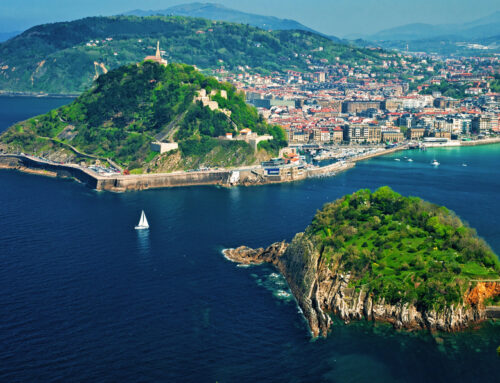
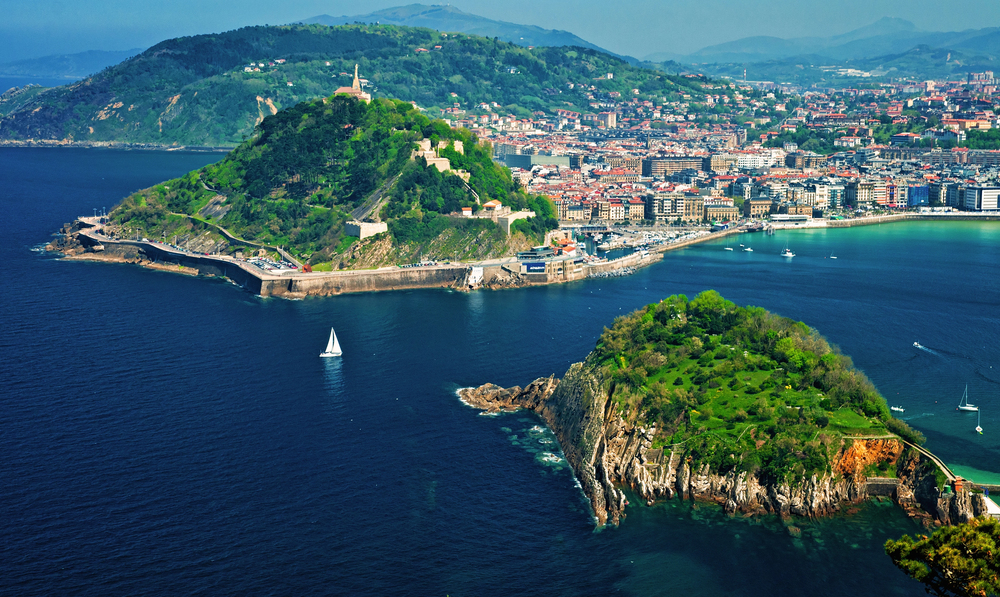
San Sebastian, known as Donostia in Basque, is a coastal city famous for its picturesque beaches and culinary delights.
Located approximately 100 kilometres from Bilbao Spain, it is easily reachable by several forms of transport.
-
Beaches and Scenic Views
La Concha beach, renowned for its stunning bay and sandy shores, attracts numerous visitors.
The city’s beautiful promenades and scenic viewpoints, such as Monte Igueldo, offer breathtaking panoramas of the coastline.
-
Culinary Scene
San Sebastian boasts a strong gastronomic reputation, featuring a wealth of Michelin-starred restaurants and a vibrant tapa culture.
The ‘pintxos’ experience allows visitors to indulge in various small dishes accompanied by local wines and ciders.
Vitoria Gasteiz, the capital of the Basque Country, is another notable city close to Bilbao Spain, situated around 60 kilometres away.
It is known for its well-preserved medieval quarter and green spaces.
-
Cultural Heritage
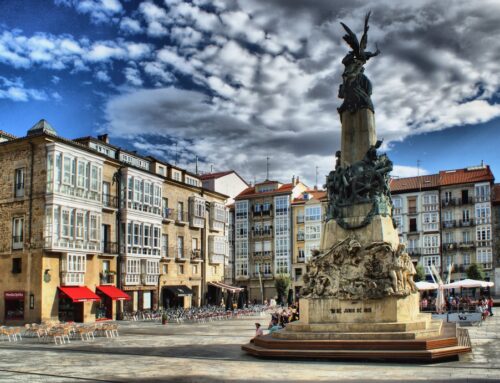
The city hosts an array of historical sites, including stunning Gothic cathedrals and the picturesque Plaza de la Virgen Blanca.
Its commitment to culture is highlighted through numerous museums and galleries.
-
Green City Initiatives
Vitoria Gasteiz is celebrated for its dedication to sustainability.
The city’s Anillo Verde (Green Ring) offers parks and recreational areas, making it perfect for outdoor activities.
The Role of the Metropolitan Area
The metropolitan area surrounding Bilbao Spain represents a network of municipalities and towns that share economic, social, and cultural ties.
This integration fosters collaboration in tourism and development initiatives.
-
Transport Links
The convenient transport options within the metropolitan region ensure seamless travel to surrounding attractions.
The well-connected public transit system, including trains, buses, and trams, facilitates easy access to neighbouring cities.
-
Shared Resources and Opportunities
The cities within the metropolitan area benefit from shared resources, enhancing their cultural offerings and event programming.
Joint initiatives encourage regional tourism and promote local festivals and activities.
Yours Free
Please click / tap on the image below:
If you would like to read about other important points for living / moving to Spain, here are other useful articles we wrote: