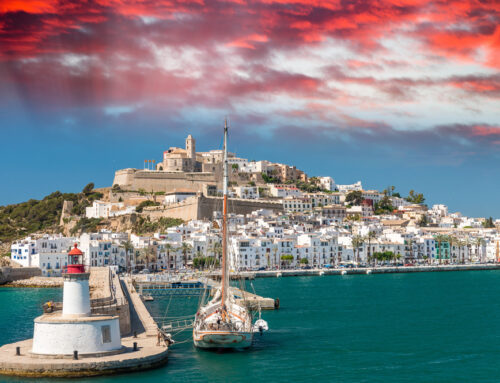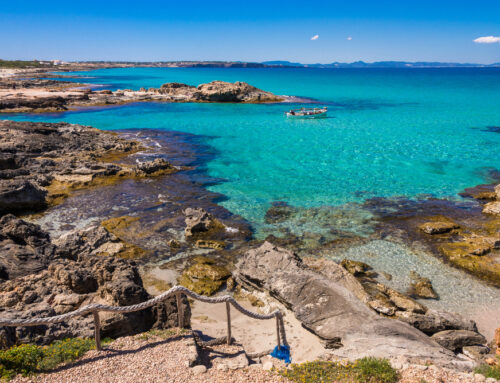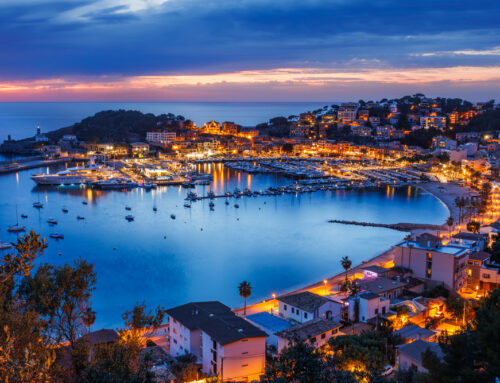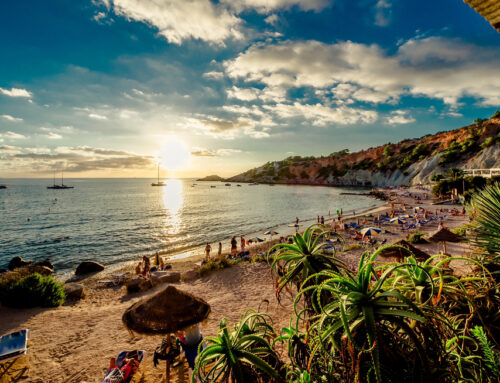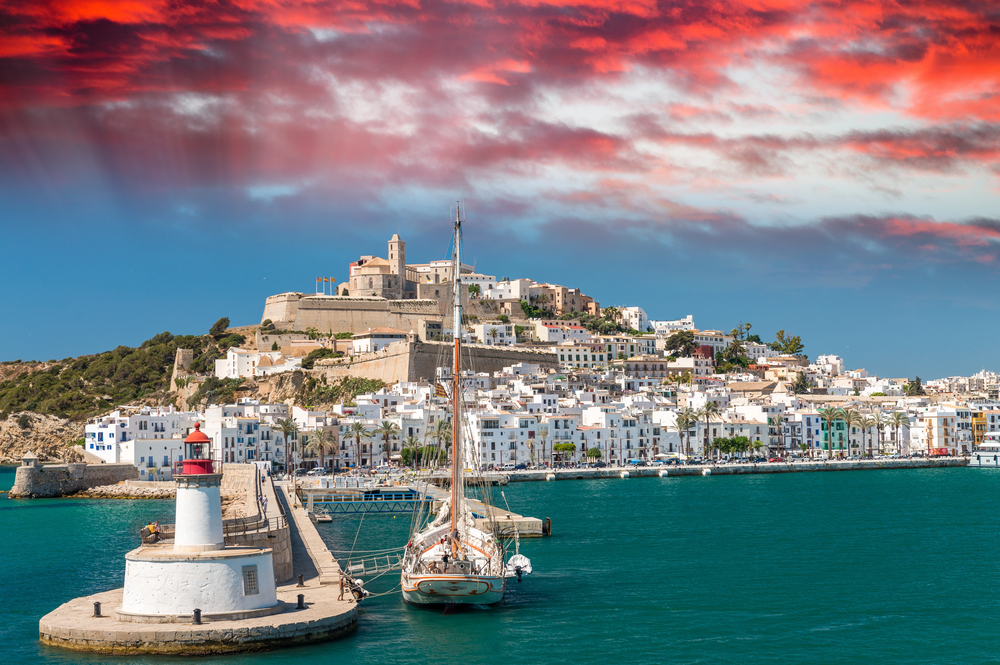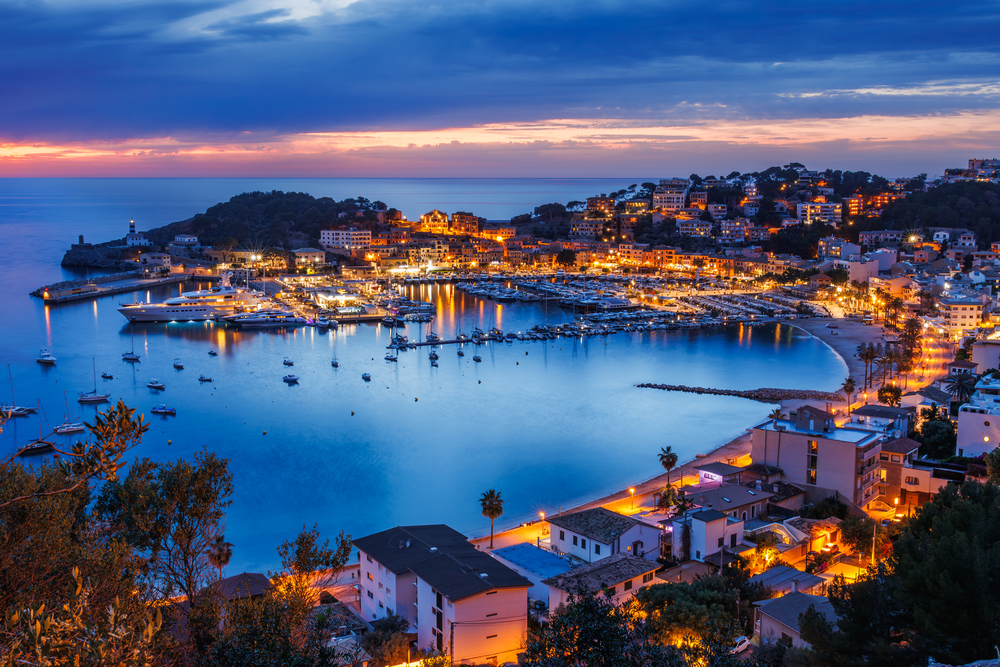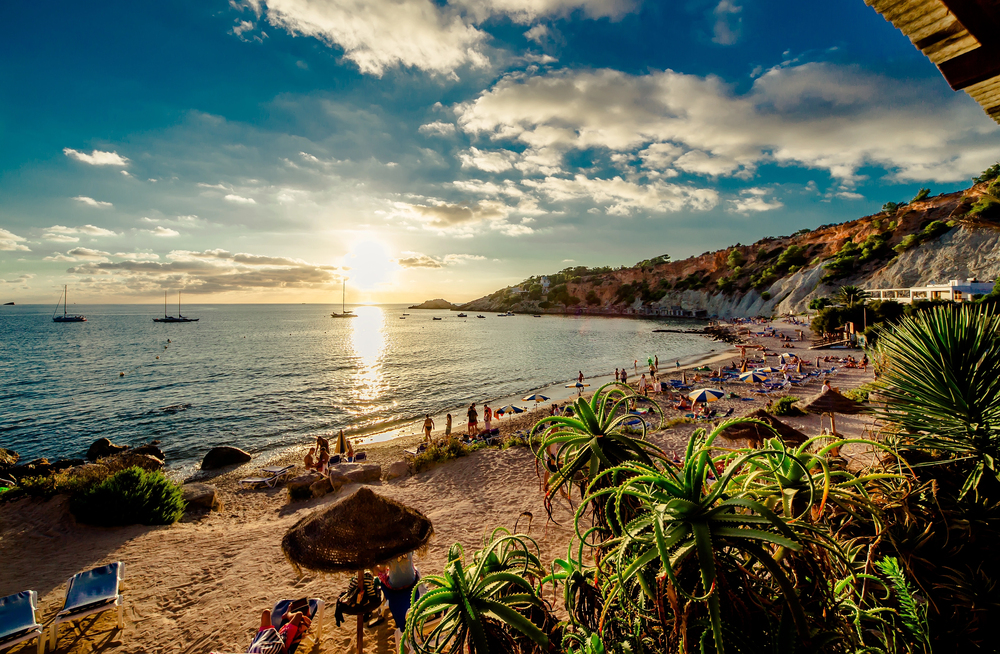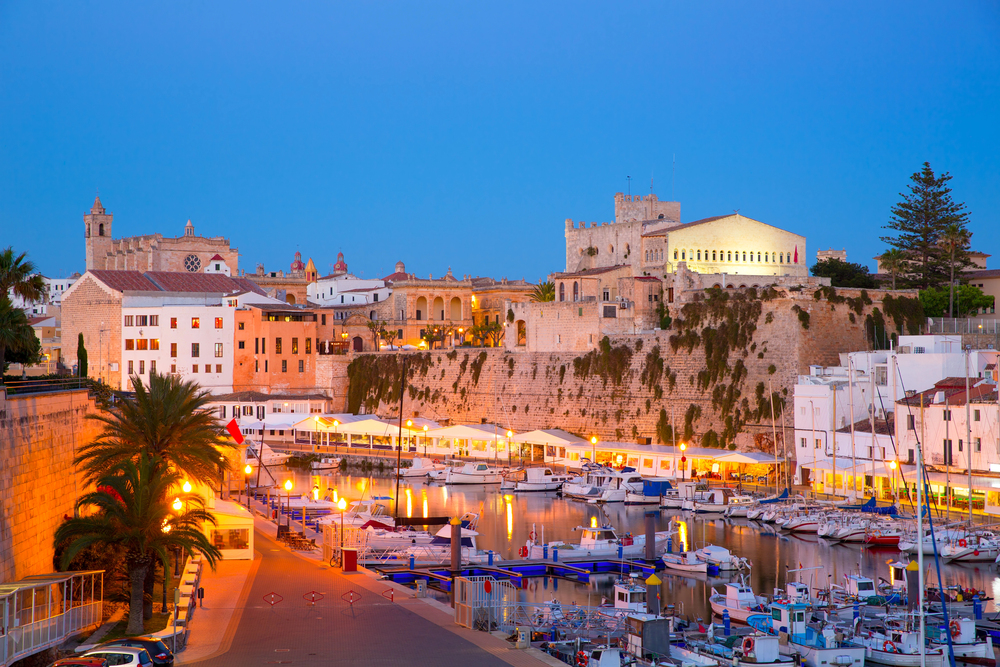
Menorca, Spain, is a beautiful Mediterranean island known for its rich history and stunning landscapes.
Its blend of ancient cultures, archaeological sites, and natural beauty makes it a unique destination.
The island offers a variety of experiences, from exploring charming towns to enjoying its diverse wildlife and pristine beaches.
The Mediterranean climate of Menorca Spain further enhances its appeal as a year-round holiday destination.
Along with Ibiza Spain, Menorca is part of one of the most popular Mediterranean destinations in Spain.

Before we start… Yours Free
Please click / tap on the image below:

History and Culture of Menorca Spain
The history and culture of Menorca are deeply interwoven, showcasing a tapestry of influences from various civilisations.
The island has served as a crossroads for many cultures, each leaving an indelible mark on its heritage.
The history of Menorca shares cultural and Mediterranean influences with Mallorca Spain, the largest island in the archipelago.
Ancient Civilisations and Archaeological Sites
Menorca’s ancient history is rich with archaeological treasures that testify to early human settlement.
The presence of megalithic structures, such as navetes and taules, highlights the island’s significance in prehistoric times.
These monuments, constructed from large stone blocks, served various purposes, from burial sites to ceremonial gatherings.
Notable sites include:
- Naveta des Tudons – a prehistoric burial site shaped like a ship.
- Talaiot de Torelló – a large stone tower used in ancient defence.
- Taula de Torralba – an impressive T-shaped structure indicative of religious practices.
These archaeological sites not only draw interest from historians but also attract visitors keen to explore Menorca’s ancient past.
Influence of the Roman Empire
The Roman period, beginning in the 2nd century BC, significantly shaped Menorca’s cultural landscape.
Under Roman rule, the island became part of the province of Hispania Citerior, leading to urbanisation and the development of infrastructure. Key features of this period include:
- The establishment of the city of Mago, which would later evolve into present-day Mahón.
- Construction of roads, villas, and aqueducts to support the growing population.
- The introduction of agricultural practices that thrived under the Mediterranean climate.
Roman influence can still be seen in the remnants of ancient architecture scattered across the island.
The British Period
Over the subsequent centuries, Menorca Spain changed hands multiple times, experiencing periods of British rule during the 18th century.
This era brought various cultural impacts, including:
- The establishment of English as a common secondary language among the local populace.
- Architectural styles influenced by British designs, notably seen in the town of Mahón.
- Economic growth driven by trade and agriculture.
These transitions contributed to a unique blend of cultural identities that characterises Menorca today.
Natural Beauty and Biodiversity
Menorca Spain is renowned for its stunning natural landscapes and vibrant biodiversity.
From the rugged coastline to its serene interior, the island offers a rich tapestry of ecosystems that are home to a variety of flora and fauna.
The UNESCO Biosphere Reserve
Designated as a UNESCO Biosphere Reserve in 1993, Menorca Spain is a prime example of sustainable development harmoniously integrated with nature.
This status reflects the island’s commitment to preserving its natural habitats while allowing for responsible tourism and local practices.
The reserve encompasses diverse environments, including coastal areas, wetlands, and agricultural lands.
These habitats support a multitude of species, some of which are endemic to the island.
Conservation efforts focus on maintaining the ecological balance and promoting biodiversity, ensuring that the natural beauty of Menorca Spain endures for future generations.
Flora and Fauna of Menorca
The island’s rich biodiversity is showcased through its wide array of plant and animal life.
Menorca is home to over 1,300 species of vascular plants, with around 165 of them being indigenous.
The terrain varies from limestone cliffs to lush valleys, each offering unique habitats.
-
Flora
Among the notable plant species are:
-
- Wild herbs such as rosemary and thyme.
- Endemic flowers like the Menorcan orchid, which flourishes in spring.
- A variety of coastal vegetation, including scrubby plants and diverse grasses.
-
Fauna
The fauna includes:
-
- Endangered bird species such as the Eleonora’s falcon.
- Numerous migratory birds that visit during different seasons, enhancing the island’s avian diversity.
- Unique reptiles like the Menorcan gecko, a species found primarily on the island.
Crystal Clear Waters and Beaches
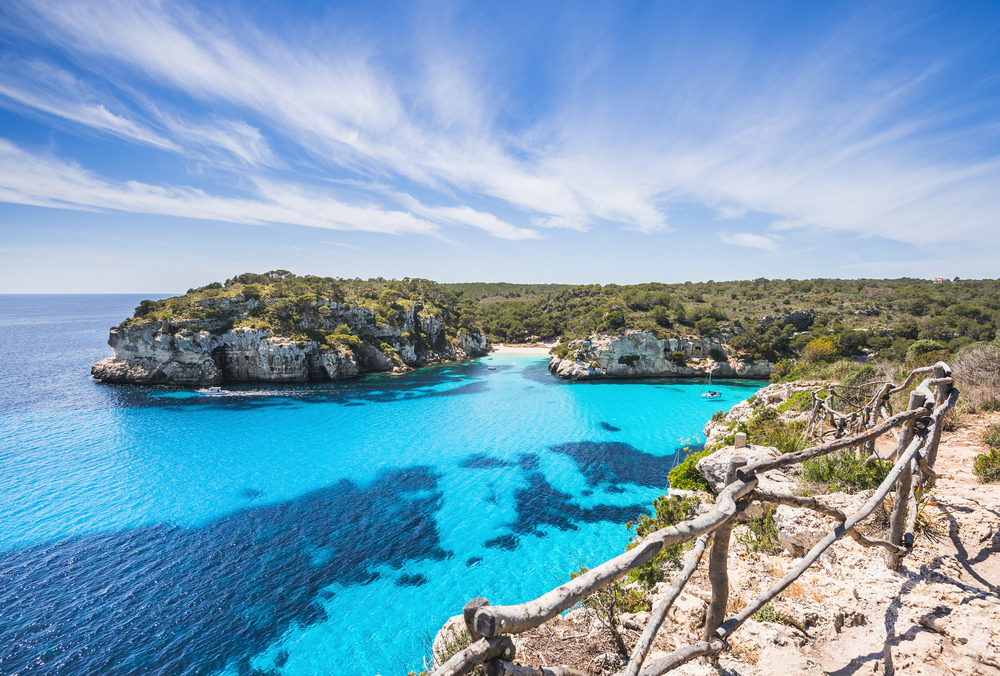
The shores of Menorca Spain boast crystal clear waters, perfect for swimming, snorkelling, and diving.
The crystal-clear waters of Menorca are reminiscent of the famous paradise beaches of Formentera Spain.
The island features some of the most beautiful beaches in the Mediterranean, characterized by soft white sands and turquoise seas.
-
Popular Beaches
Some renowned beaches include:
-
- Ses Illetes, famous for its shallow waters and stunning scenery.
- Macarella, known for its picturesque cove and natural beauty.
- Cala Pregonda, uniquely marked by its distinctive reddish sands.
These pristine environments not only provide recreational opportunities but also serve as vital breeding grounds for marine life, supporting Menorca’s rich ecosystem.
Grau Nature Reserve
Grau Nature Reserve is a vital ecological site in Menorca Spain, covering expansive wetlands and coastal areas.
This reserve plays a crucial role in safeguarding the area’s diverse habitats and species.
Within its boundaries, visitors can find a mix of salt marshes, lagoons, and coastal cliffs, which serve as habitats for numerous bird species and other wildlife.
These natural spaces are essential for maintaining ecological integrity, and conservation efforts are vital in preserving their unique characteristics.
The reserve also provides educational opportunities for visitors to learn about the ecological significance of Menorca’s habitats and the importance of conserving them.
Its trails offer a chance to explore the island’s natural beauty while fostering a deeper appreciation for its biodiversity.
Weather in Menorca
The weather in Menorca Spain is a charming characteristic of the island, enhancing its appeal as a year-round destination.
The Mediterranean climate provides warm summers and mild winters, allowing visitors to enjoy the beautiful landscapes and outdoor activities throughout the year.
Typical Mediterranean Climate
Menorca enjoys a typical Mediterranean climate, which is marked by hot, dry summers and soft, wet winters.
This climatic pattern results in a pleasant environment suitable for various recreational pursuits.
The island experiences:
- Summer: June to September sees temperatures often rising above 30°C, attracting tourists who indulge in sunbathing and beach activities.
- Winter: Lasting from December to February, temperatures rarely drop below 10°C, providing a very mild winter for residents and visitors alike.
- Spring and Autumn: In these transitional seasons, temperatures are moderate, ranging from 15°C to 25°C, presenting an ideal time for hiking and exploring the island’s natural beauty.
Best Time to Visit
The ideal time to visit Menorca Spain largely depends on personal preferences regarding weather and activities.
Various factors contribute to the peak tourist seasons:
- Summer Months (June to August): These are the most popular months for holidaymakers, with bustling beaches and vibrant nightlife. However, the island can be crowded, and accommodation prices may be higher.
- Spring (April to May) and Autumn (September to October): These months offer pleasant weather without the summer crowds, making them great for sightseeing, cultural events, and enjoying the natural beauty of the island.
- Winter (November to March): While cooler and occasionally rainy, this period offers a tranquil experience ideal for those seeking solitude and a more local atmosphere.
Yours Free
Please click / tap on the image below:
Seasonal Activities and Events
Menorca’s weather profoundly influences seasonal activities and local festivities.
Throughout the year, various events take advantage of the delightful climate, including:
- Summer Festivals: Events like the Sant Joan Festival in Ciutadella take place during hot summer nights, featuring parades, music, and traditional dancing.
- Outdoor Sports: Hiking and cycling are popular in spring and autumn when temperatures are milder, allowing exploration of scenic trails without the heat of summer.
- Winter Celebrations: The winter season sees activities such as Christmas markets and local traditions, where visitors can engage with the island’s culture.
Exploring the Towns
The towns of Menorca Spain each offer a unique glimpse into the island’s rich heritage, culture, and stunning landscapes.
From the bustling capital to quaint historic towns, each location is worth exploring for its distinctive charm and allure.
Mahon: The Capital
Mahon, or Maó, serves as the capital of Menorca Spain and boasts one of the largest natural harbours in the world.
This vibrant town is known for its colonial architecture, striking waterfront, and historical significance.
A stroll through the old town reveals:
- Plaza de España, the main square adorned with lively cafés and shops.
- The Church of Santa Maria, home to a magnificent organ, renowned for its beauty.
- The Military Museum, which showcases the island’s military history.
The harbour area is perfect for enjoying a leisurely walk, dining at seafood restaurants, and watching the boats sail in and out.
Mahon is also known for its lively markets, where local produce and artisanal crafts can be found, offering a taste of the island’s vibrant life.
Historic Ciutadella
Ciutadella is another gem on the island, famed for its medieval architecture and rich history.
Once the capital before Mahon, this town features narrow streets and an array of historical sites.
Notable attractions include:
- The Cathedral of Menorca, a stunning 13th-century structure with impressive gothic elements.
- The Bishop’s Palace, showcasing the town’s ecclesiastical heritage.
- The picturesque Port de Ciutadella, an ideal spot for a maritime experience.
Ciutadella comes alive during the summer with local festivals, particularly the celebrations of San Juan, characterised by vibrant parades and traditional events.
Discovering the charming shops and restaurants in the winding streets adds to the allure of this historic town.
Sant Lluis and Surrounding Areas
Sant Lluis is a delightful town named after King Louis XIV of France.
It has a more modern layout compared to Ciutadella and Mahon but retains a distinctive local character.
Visitors can enjoy:
- The Church of Sant Lluis, notable for its bright white façade.
- Traditional Menorcan architecture, with many buildings reflecting the island’s heritage.
- The nearby coastal areas, perfect for exploring tranquil beaches and coves.
The surrounding areas of Sant Lluis feature beautiful countryside ideal for hiking and enjoying the natural beauty of Menorca Spain.
Gastronomy is also a highlight here, with local eateries offering traditional dishes that reflect the island’s culture.
Accommodation and Villas
Menorca offers a diverse range of accommodation options, catering to all tastes and budgets.
From luxury villas with breathtaking views to charming local hotels, there is something to suit every visitor’s needs.
Luxury Villas in the Balearic Islands
The Balearic Islands Spain are renowned for their luxury villas, which provide an exceptional level of comfort and style.
Many of these stunning properties feature modern amenities, private pools, and expansive outdoor spaces.
They are often situated in picturesque locations, providing breathtaking views of the Mediterranean.
Here are some key features of luxury villas in Menorca Spain:
- Exclusive locations near beaches and natural parks.
- Spacious interiors with designer furnishings.
- Private pools and gardens for ultimate relaxation.
- Proximity to local attractions, restaurants, and shops.
Staying in a luxury villa allows guests to immerse themselves in the tranquil lifestyle of Menorca while enjoying all the comforts of home.
For families or groups, these villas offer ample space and privacy, ensuring a memorable getaway.
Accommodation Options around the Island
For those seeking a more varied experience, Menorca Spain has a wide range of accommodation options beyond luxury villas.
Visitors can choose from charming guesthouses, hotels, and self-catering apartments.
The following types of accommodation are commonly available:
- Hotels: Ranging from budget to five-star establishments, hotels offer a variety of services, including room service, dining options, and leisure facilities.
- Guesthouses: These provide a more intimate experience, often managed by locals, and typically include breakfast and personalised recommendations for exploring the island.
- Self-catering apartments: Ideal for those who prefer to cook for themselves, these accommodations come equipped with kitchen facilities and are perfect for longer stays.
The variety ensures that all visitors can find suitable options close to their desired attractions, be it in the capital Mahon or in quaint coastal villages like Ciutadella.
Tips for Renting Villas
Renting a villa in Menorca Spain can be an excellent choice for those looking to enhance their holiday experience.
Here are some essential tips for a smooth rental process:
- Research and Reviews: Always research the villa and read reviews from previous guests to assess the quality and reliability of the rental.
- Book in Advance: Popular villas often get booked early, especially during peak season; securing accommodation well in advance is advisable.
- Check Amenities: Ensure that the villa meets all required amenities, such as Wi-Fi, air conditioning, and pool safety features.
- Understand the Terms: Review rental agreements carefully, paying attention to cancellation policies and any additional fees.
Being informed and prepared can significantly enhance the rental experience, allowing visitors to fully enjoy the island’s natural beauty and cultural richness during their stay.
Holidays in Menorca
Menorca offers a delightful blend of activities, cultural events, and culinary experiences for visitors seeking a memorable holiday.
The island is rich in traditions, natural beauty, and mouth-watering cuisine, providing numerous opportunities for exploration and relaxation.
Popular Tourist Activities
Visitors to Menorca Spain can enjoy a variety of popular activities that showcase the island’s natural beauty and cultural heritage.
Some of the standout experiences include:
- Beach Hopping: With over 70 beaches, Menorca boasts stunning sandy shores and crystal-clear waters, ideal for sunbathing, swimming, and water sports.
- Snorkelling and Diving: The rich marine life and clear waters make Menorca a fantastic location for snorkelling and diving, with sites suitable for all skill levels.
- Hiking: Menorca’s extensive network of trails offers hikers the chance to explore its diverse landscapes, including coastal paths and rural areas.
- Historic Tours: Exploring the island’s ancient sites, such as the megalithic monuments, enables visitors to discover Menorca’s fascinating history.
Local Festivals and Traditions
Menorca’s cultural calendar is filled with lively festivals and traditional events that capture the spirit of the island.
Key celebrations include:
- Fiestas de San Juan: Held in Ciutadella each June, this festival features a grand parade of horses, music, and local culinary delights.
- Maó’s Festes de Gràcia: This week-long celebration in August includes processions, concerts, and fireworks, showcasing local customs.
- Morell de Menorca Spain: This lesser-known festival celebrates local cuisine, allowing visitors to sample regional dishes and ingredients.
Food and Drink Experiences
The culinary scene in Menorca is a vital part of the holiday experience, with an array of traditional dishes and local beverages to try.
Popular gastronomic highlights include:
- Caldereta de Langosta: This exquisite lobster stew is a signature dish that reflects the island’s seafood heritage.
- Queso Mahón: This renowned cheese, produced on the island, is often enjoyed with local bread or as part of a cheese platter.
- Ensaimada: A delightful sweet pastry typically enjoyed for breakfast or as a snack, the ensaimada is a must-try treat.
- Local Wines: Menorca Spain produces a variety of wines, with regional vineyards offering tastings for those interested in the local wine culture.
Getting Around Menorca
Menorca boasts a variety of transportation options, making it easy to explore the island’s stunning landscapes and charming towns.
Visitors and residents can choose from public transport, rental cars, or even cycling to discover all that Menorca has to offer.
Transport Options on the Island
The island’s transport network is well-developed, ensuring that getting around is convenient and efficient.
The primary options for transport in Menorca include:
- Public Buses: Menorca Spain has a reliable bus system that connects major towns and popular beaches. Buses run frequently during the peak season, making them an economical choice for travellers. Routes are straightforward, and timetables are readily available.
- Taxis: Taxis are accessible and can be found at designated taxi ranks or booked via phone. While they are pricier than buses, they offer a comfort and convenience for those travelling in groups or with luggage.
- Car Rentals: Hiring a car provides the freedom to explore hidden spots across the island. Numerous rental companies are located at the airport and in major towns. Roads are well-maintained, making self-driving a pleasant experience.
- Bicycle Rentals: Many visitors opt to rent bicycles to enjoy Menorca’s scenic routes at a leisurely pace. Several establishments provide bikes and accessories, catering to both casual users and avid cyclists.
Exploring the Island by Car
Driving around Menorca allows visitors to experience its diverse landscapes fully.
The island features a variety of scenic drives, from coastal roads with spectacular ocean views to winding paths through the countryside.
Major attractions can be reached easily by car, including:
- Beach Hopping: With an array of beautiful beaches scattered along the coastline, having a car facilitates beach hopping. From the popular Cala Galdana to the tranquil Cala Mitjana, each beach offers its unique charm.
- Historic Sites: Renting a vehicle makes it convenient to visit significant archaeological sites, such as the megalithic monuments and ancient settlements that showcase Menorca’s rich history.
- Natural Reserves: Accessing natural parks, such as the S’Albufera des Grau Natural Park, is much easier with a car. These areas provide stunning views and opportunities for hiking and wildlife viewing.
Hiking and Biking Trails
For those who prefer an active exploration, Menorca offers an extensive network of hiking and biking trails.
The island’s natural beauty can be appreciated on foot or by bike, allowing visitors to immerse themselves in the charming landscapes.
Key aspects of these trails include:
- Camí de Cavalls: This ancient path circles the island and is ideal for both hiking and cycling. It offers stunning coastal views and access to secluded coves.
- Nature Trails: Various routes are available within the natural parks, making them perfect for nature lovers and families. The trails vary in difficulty, catering to all skill levels.
- Scenic Views: Many trails lead to viewpoints that overlook the sea or lush countryside. These areas are perfect for photography and enjoying the serene environment.
Yours Free
Please click / tap on the image below:
If you would like to read about other important points for living / moving to Spain, here are other useful articles we wrote: