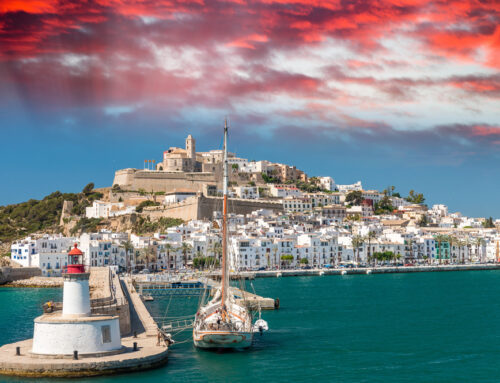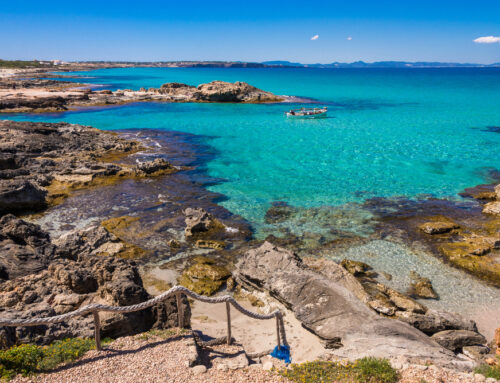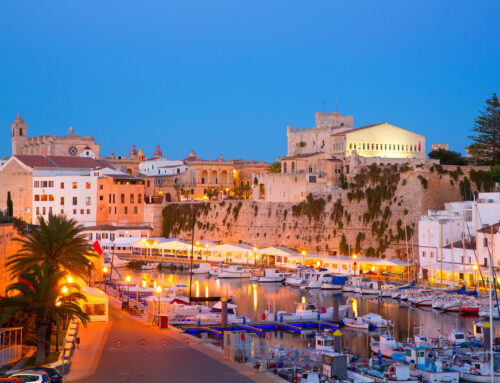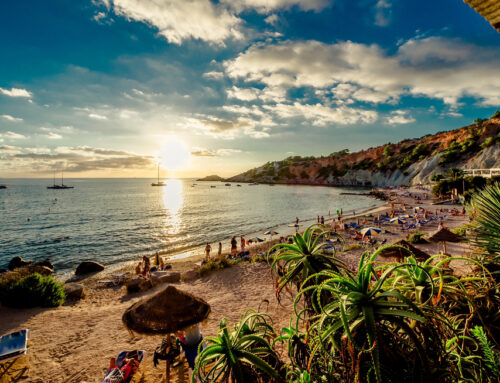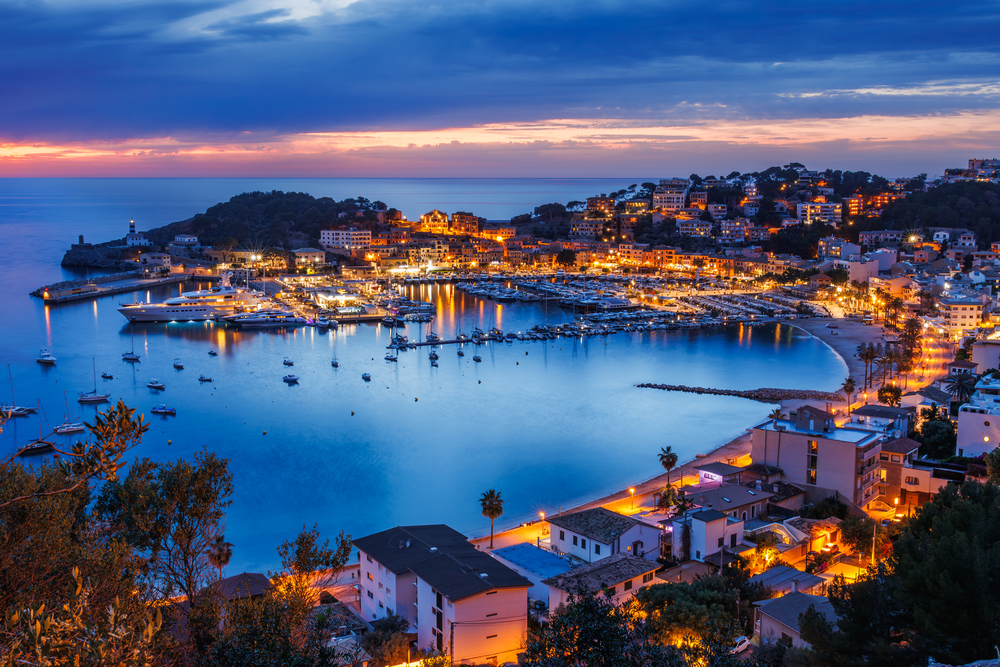
Mallorca, the largest of the Balearic Islands Spain, is renowned for its stunning landscapes, rich history, and vibrant culture.
It attracts millions of visitors each year, drawn by its beautiful beaches and charming towns.
The island’s diverse geography includes the dramatic Serra de Tramuntana mountains and picturesque coastal areas.
Mallorca Spain offers a unique blend of traditions and modern influences, making it a fascinating destination for exploration.

Before we start… Yours Free
Please click / tap on the image below:

History of Mallorca Spain
The history of Mallorca is a tapestry woven from various cultural influences and significant events.
It reflects the island’s evolution from ancient times to its role in contemporary society, highlighting its importance in the Mediterranean region.
Prehistoric Beginnings
The story of human settlement in Mallorca dates back to the third millennium BC.
Early inhabitants, likely from the Iberian Peninsula and southern France, brought with them the Campaniform culture.
During this period, significant changes occurred in the local fauna, leading to the extinction of several endemic species.
The megalithic structures known as talaiots are key archaeological remnants from this era.
These stone towers served religious or defensive purposes and are scattered across the island. Notable sites include:
- Capocorb Vell in Llucmajor
- Necròpoli de Son Real in Santa Margalida
- Poblat Talaiòtic de S’Illot in Sant Llorenç des Cardassar
- Sa Canova de Morell, near Colònia de Sant Pere
Roman Influence
In 123 BC, Mallorca Spain became part of the Roman Empire, which marked a significant turning point in its history.
The Romans developed infrastructure, agriculture, and trade, integrating the island into the Mediterranean economy.
Under Roman rule, Palma established itself as a major settlement, facilitating cultural exchanges and commerce.
Following the fall of the Western Roman Empire, Mallorca experienced a series of invasions that altered its demographic and cultural landscape.
Islamic and Medieval Periods
The arrival of Islam in the 9th century introduced profound changes.
Islamic rulers enhanced agriculture through advanced irrigation techniques and introduced new crops, leading to a flourishing economy.
The local culture thrived as art and science blossomed, with contributions in architecture evident in surviving structures.
In 1229, Crusader king Jaume I of Aragon conquered Mallorca, bringing the island into the Christian realm.
This event initiated a new chapter in Mallorca’s history, marked by rapid development in trade and culture.
The Islamic Legacy
During the Islamic period, Mallorca Spain became renowned for its poetry and the arts.
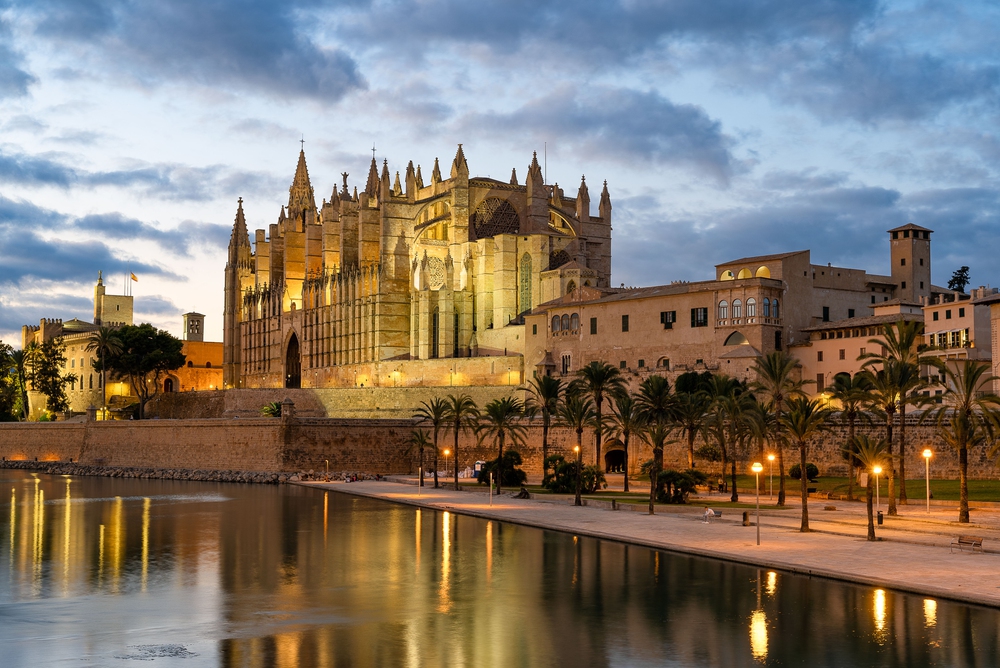
The legacy of this era is still visible in the architecture of historic sites, including the grand Cathedral of Palma, which showcases a blend of Islamic and Gothic styles.
The Medieval Flourish
From the 14th to the 16th centuries, Mallorca prospered as a key commercial hub in the Mediterranean.
Trade routes expanded, contributing to a vibrant cultural scene characterised by literature and art, fostering a rich identity.
Modern Era Developments
The 18th century brought economic challenges to the island, yet by the late 19th century, Mallorca Spain emerged as a popular tourist destination.
This shift has shaped its modern identity, turning tourism into a pivotal component of its economy.
With the establishment of the Balearic Islands as an autonomous community in 1983, Mallorca has continued to balance its rich historical heritage with contemporary advancements, creating a unique identity that attracts visitors from around the globe.
Today, the island’s past is celebrated alongside its modern innovations, making it a multifaceted destination.
Geography and Landscapes of Mallorca
Mallorca Spain boasts a stunning variety of geographical features, ranging from majestic mountain ranges to serene coastal areas.
The island’s diverse landscapes offer a rich tapestry of natural beauty, making it a unique destination for nature lovers and outdoor enthusiasts alike.
The Serra de Tramuntana
The Serra de Tramuntana is a mountain range that runs along the northwest coast of Mallorca. Declared a UNESCO World Heritage Site, this spectacular area showcases the island’s rugged terrain and breathtaking vistas.
The mountains reach their highest point at Puig Major, standing at 1,445 metres, and provide an ideal backdrop for hiking and exploring the local flora and fauna.
The dramatic cliffs and deep valleys are home to numerous hiking trails.
Popular routes include the GR221, known as the “Dry Stone Route”, which connects various villages and offers stunning panoramic views.
The traditional terraces and stone constructions can still be observed, revealing insights into the island’s agricultural heritage.
- Notable peaks include:
- Puig de Massanella (1,365 m)
- Puig de l’Ofre (1,092 m)
Coastal Highlights
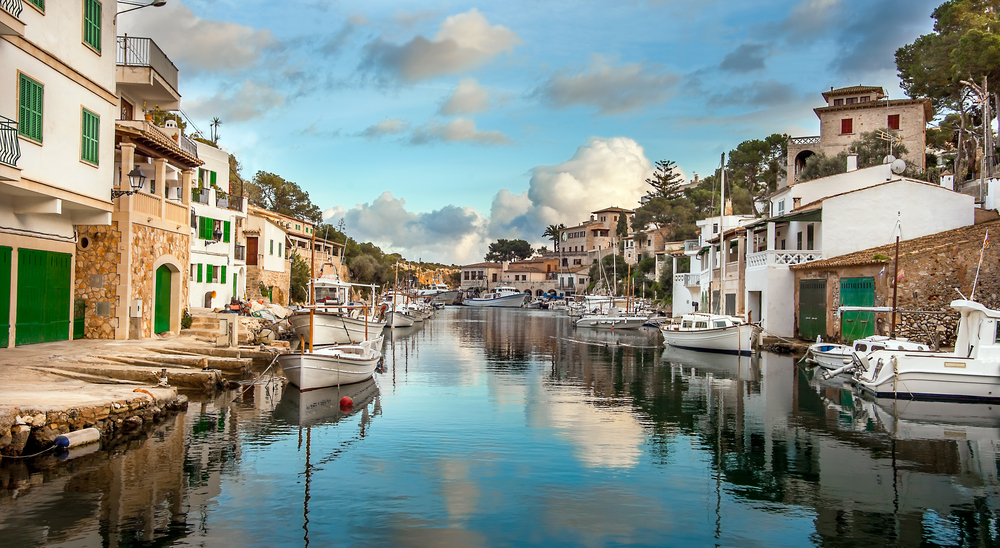
The coast of Mallorca Spain is adorned with beautiful beaches, hidden coves, and turquoise waters.
Each cove has its own character, which caters to a variety of preferences.
From lively beach resorts to serene, secluded spots, the shoreline offers something for everyone.
Some popular beaches include:
- Playa de Palma: A bustling beach known for its vibrant atmosphere and numerous amenities.
- Alcúdia Beach: Featuring soft sands and shallow waters, ideal for families.
- Cala Formentor: Renowned for its stunning scenery and crystal-clear waters, perfect for relaxation.
Along the coastline, steep cliffs rise dramatically from the sea, creating picturesque vistas.
The stunning Cap de Formentor offers panoramic views that are not to be missed.
Rural and Urban Balance
Mallorca’s landscape is a harmonious blend of rural and urban environments.
While major towns like Palma showcase modern development, the island retains charming villages that reflect its agricultural roots.
Areas such as Sóller and Valldemossa provide visitors with a glimpse into traditional Mallorcan life, characterised by narrow streets and stone houses.
Farmlands extend inland, where olive groves and vineyards flourish.
The island’s agriculture produces high-quality local products, including olives, almonds, and wine.
The rural landscape creates a picturesque setting for touring and exploring the charming countryside.
Between the mountains and the coast, Mallorca’s geography offers a dynamic experience, where visitors can appreciate both the rustic tranquility of the countryside and the lively atmosphere of urban life.
This unique blend enriches the overall appeal of the island.
Climate and Weather in Mallorca
Mallorca experiences a Mediterranean climate that is characterised by hot, dry summers and mild winters.
This weather pattern not only enhances the island’s appeal but also supports a diverse range of outdoor activities throughout the year.
Seasonal Overview
The climate in Mallorca Spain varies significantly between the seasons, each offering its unique charm and conditions.
-
Spring
Spring spans from March to May, showcasing mild temperatures ranging from 15°C to 25°C.
This season is ideal for enjoying the blooming landscapes, vibrant flowers, and outdoor activities such as hiking and cycling.
Rainfall is minimal, making it a popular time for tourists.
-
Summer
From June to August, Mallorca Spain basks under the sun with temperatures frequently exceeding 30°C.
The beaches are bustling, and the island hosts numerous festivals.
However, heatwaves can occur, so visitors are advised to stay hydrated and seek shade during peak hours.
-
Autumn
Autumn, occurring from September to November, welcomes a gradual decrease in temperature, ranging from 20°C to 27°C.
The sea remains warm, offering a pleasant swimming experience.
The scenery transforms with beautiful autumnal colours, perfect for hiking enthusiasts.
-
Winter
Winter runs from December to February, with average temperatures between 10°C and 15°C.
While it is the coldest season, it’s still mild by many standards.
Some areas may experience light rain and occasional frost in higher altitudes, but overall, it is a quieter time on the island.
Best Times to Visit
The ideal times to visit Mallorca Spain depend on individual preferences for climate and activities.
Key periods include:
-
April to June
This time frame marks the transition to warmer weather.
Visitors can indulge in outdoor adventures, explore local culture, and witness the natural beauty of blooming flora.
-
September to October
As summer crowds dwindle, this period offers pleasant temperatures and warm seas.
It is excellent for those seeking a quieter experience while retaining a holiday atmosphere.
-
Festivals and Events
Those interested in cultural events may find the spring and autumn months particularly appealing due to various local festivals held during these seasons.
These celebrations allow for an enriching encounter with Mallorcan traditions.
Culture of Mallorca
The culture of Mallorca is a rich tapestry woven from its historical influences, artistic expressions, and culinary traditions.
The island’s vibrant heritage reflects the diverse cultures that have settled here over centuries, resulting in a unique local identity that is celebrated in its arts, festivals, and cuisine.
Arts and Literature
The artistic legacy of Mallorca Spain is deeply rooted in its history, with numerous prominent figures contributing to the cultural landscape.
Joan Miró’s Legacy
Joan Miró, the celebrated Catalan painter and sculptor, is one of the most influential artists associated with Mallorca.
His connection to the island began in the 1950s when he settled in the town of Cala de Pí.
Miró’s works often reflect the vibrant colours and the rustic charm of the island. His home, the Fundació Pilar i Joan Miró, houses a significant collection of his artwork, providing insight into his creative process and inspiration.
Influences of George Sand
The author George Sand also left an indelible mark on Mallorca. In the 19th century, she resided on the island, and her experiences profoundly influenced her literary works.
Her novel “A Winter in Mallorca” describes the island’s landscape, culture, and society, highlighting the charm that captivated countless visitors.
Through her writings, Sand helped to enhance the island’s reputation as a destination for artists and writers.
Yours Free
Please click / tap on the image below:
Festivals and Traditions
The cultural fabric of Mallorca Spain is vibrant, vividly expressed through its numerous festivals and traditions, which reflect its history and communal spirit.
- San Juan Festival: Celebrated in June, this festival marks the summer solstice with festivities, bonfires, and fireworks, showcasing the island’s vivacity.
- Festa de la Mare de Déu de la Salut: Taking place in Inca, this religious celebration includes parades, music, and local delicacies, fostering a sense of community.
- Es Fangar Festival: This unique festival in May involves creating mud sculptures and highlights Mallorca’s agricultural heritage, with local folklore coming to life.
Culinary Delights
Mallorca’s cuisine is a reflection of its cultural diversity, featuring fresh local produce and traditional dishes that highlight the island’s Mediterranean roots.
The culinary scene ranges from rustic meals to contemporary gastronomy.
- Ensaimada: A traditional pastry that is light and fluffy, often enjoyed with local hot chocolate.
- Sobrassada: A widely loved cured sausage made from pork, seasoned with paprika, offering a taste of local flavours.
- Pa amb oli: A simple yet delightful dish consisting of bread topped with tomato, olive oil, and various cured meats or cheese, epitomising the island’s gastronomic simplicity.
This gastronomic heritage not only represents the island’s history but also underlines the importance of communal dining and sharing in Mallorcan culture, reinforcing bonds between families and friends.
Travelling to Mallorca
Reaching Mallorca is convenient and enjoyable, offering a range of travel options suitable for different preferences and budgets.
With its beautiful scenery and rich cultural offerings, the journey to this Mediterranean paradise is just as enticing as the destination itself.
Holidays to Mallorca
Mallorca Spain is a popular holiday destination, attracting millions of tourists each year.
The island offers an extensive array of accommodations, ranging from luxury resorts to boutique hotels and charming guesthouses.
Visitors often choose to stay in prime locations such as Palma, Alcúdia, or Magaluf, all offering unique experiences.
In addition to relaxing on the sandy beaches, holidaymakers can explore various activities that enhance their stay.
Water sports, hiking in the Serra de Tramuntana, and indulging in the local cuisine are just a few options available.
Family-friendly resorts offer kid-friendly amenities, making it an ideal location for families seeking relaxation and entertainment.
Palma and its Attractions
As the capital of Mallorca, Palma serves as a vibrant gateway to the island’s rich cultural heritage.
The city is renowned for its stunning architecture, bustling markets, and picturesque harbour.
Key attractions include the impressive Palma Cathedral, a masterpiece of Gothic architecture, and the fascinating Bellver Castle, which offers panoramic views of the city.
-
Palma Cathedral
Also known as La Seu, Palma Cathedral is a defining landmark of the city. Its intricate design and beautiful stained-glass windows are a highlight for many visitors.
-
Bellver Castle
This circular castle dates back to the 14th century and provides not only historical insights but also stunning views of Palma and the Bay of Palma.
-
Local Markets
Exploring the local markets, such as Mercat de l’Olivar, allows visitors to experience the lively atmosphere and sample fresh local produce, cheeses, and traditional dishes.
Mallorca Transport Options
Once in Mallorca, transportation options are plentiful and enable easy exploration of the island.
The most popular mode of transport is car hire, providing flexibility to visit hidden gems and remote beaches at one’s own pace.
-
Public Transport
For those who prefer not to drive, an efficient public transport system is available. Regular bus services connect major towns and attractions, while the historic train from Palma to Sóller offers a scenic route through the countryside.
-
Bicycling
Mallorca has become a cycling haven, with numerous well-maintained routes perfect for cyclists of all skill levels. Many visitors opt for guided cycling tours to explore the beautiful landscapes.
-
Taxis and Ride-Sharing
Taxis are readily available throughout the island, providing a convenient way to get around, especially in urban areas.
Ride-sharing apps also operate, offering flexible options for transport.
Mallorca on the Map
Mallorca’s geographical significance within the Balearic Islands is complemented by its array of natural landscapes, historical sites, and vibrant towns.
Understanding how to navigate this picturesque island enhances the experience for visitors.
Navigating the Balearic Islands
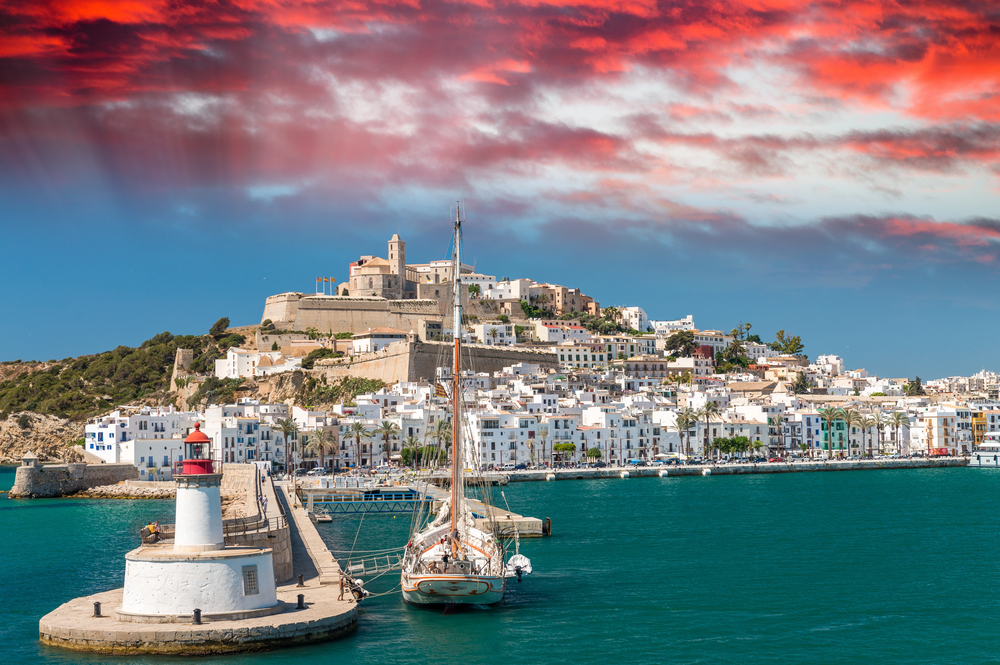
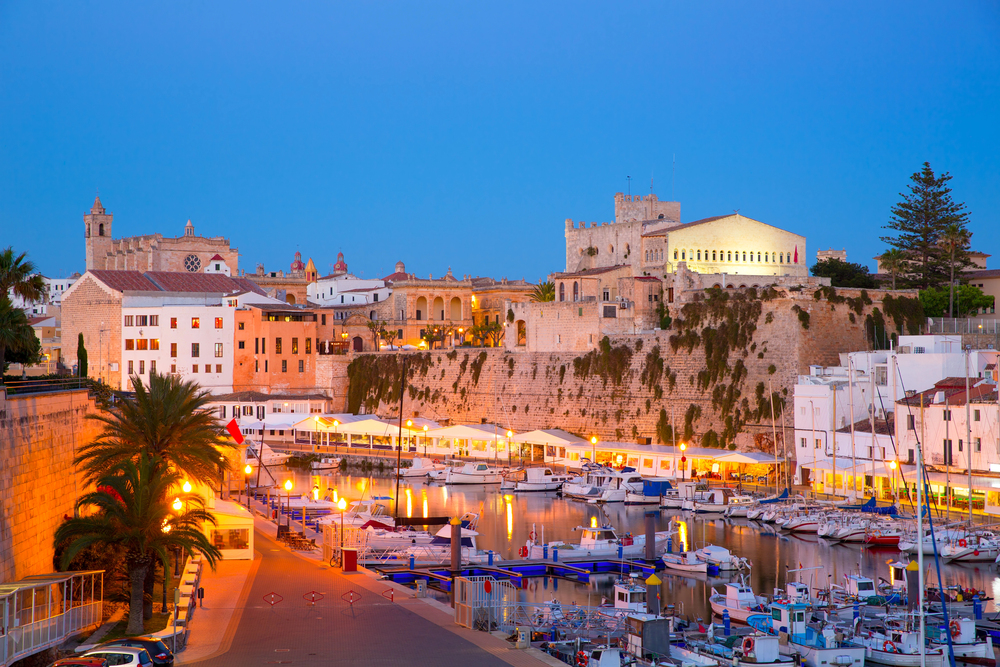
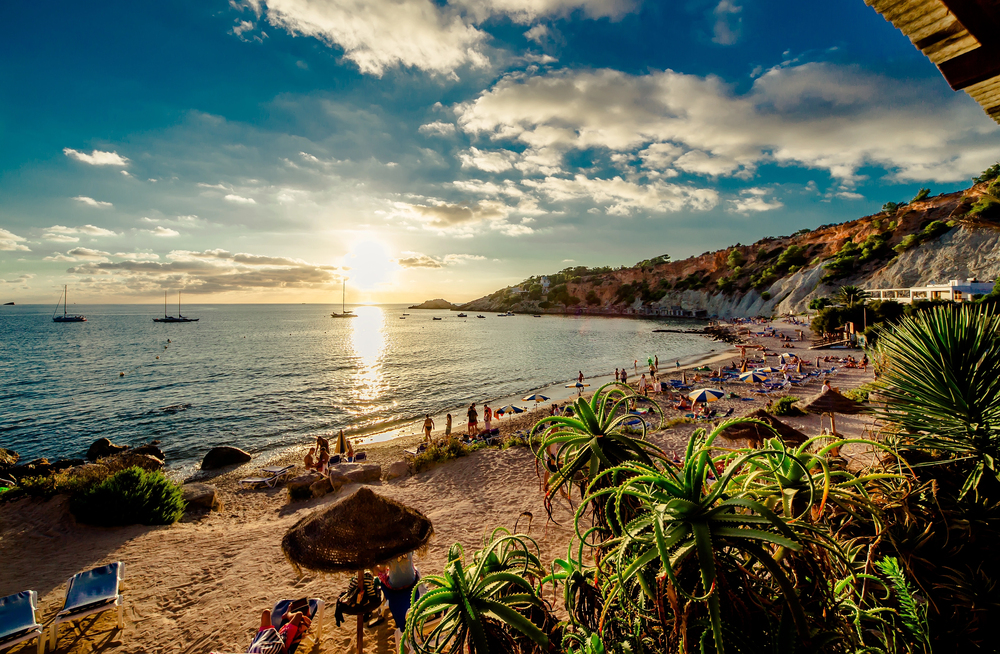
The Balearic Islands, an archipelago located in the Mediterranean Sea, consist of Mallorca, Menorca Spain, Ibiza Spain, and Formentera Spain.
Among them, Mallorca Spain stands out due to its size and diversity!
Accessing Mallorca is convenient, as it is well connected to mainland Spain and other European destinations.
The primary entry point is Palma de Mallorca Airport, which accommodates numerous international flights.
Upon arriving in Mallorca, various options for travel on the island are available:
- Car Rentals: Ideal for exploring the island at your own pace, with numerous rental companies located at the airport and throughout Palma.
- Buses: An extensive and affordable bus network connects major towns, beaches, and attractions, making public transport a great option for tourists.
- Taxi Services: Taxis are readily available and offer a straightforward mode of travel, particularly for shorter distances.
- Bicycle Rentals: Given its scenic routes, Mallorca is a haven for cyclists, featuring numerous rental services across the island.
Key Tourist Spots
With a wealth of attractions, Mallorca offers a variety of experiences that highlight its rich cultural and natural heritage.
Some of the most notable tourist spots include:
- Palma Cathedral (La Seu): A stunning example of Gothic architecture, this iconic building is one of the most recognizable landmarks in Palma. Its magnificent façade and breathtaking interior attract thousands of visitors each year.
- Bellver Castle: This unique circular castle, perched above Palma, provides panoramic views of the city and the bay. Its rich history dates back to the 14th century.
- Sierra de Tramuntana: As a UNESCO World Heritage site, this mountain range offers breathtaking vistas, hiking trails, and charming villages like Sóller and Valldemossa.
- Alcúdia Old Town: This ancient town boasts historical walls and beautifully preserved architecture. Its narrow streets are lined with shops, cafes, and restaurants, making it a delightful destination.
- Cap de Formentor: The northernmost point of Mallorca, it features dramatic cliffs and awe-inspiring views, particularly from the lighthouse that crowns the peninsula.
These destinations encapsulate the allure of Mallorca, making it an enthralling place for exploration.
The island’s geographical layout, combined with its rich cultural tapestry, makes it a captivating experience for all types of visitors.
Mallorca’s Economy
The economy of Mallorca is a dynamic system primarily shaped by tourism and agriculture.
This vibrant sector reflects the island’s natural beauty, cultural heritage, and agricultural diversity, playing a crucial role in shaping local livelihoods and contributing to overall economic growth.
Tourism’s Role
Tourism serves as the backbone of Mallorca’s economy, accounting for over 80% of the island’s income.
Millions of visitors flock yearly to experience its stunning beaches, historical sites, and beautiful landscapes.
The influx of tourists plays a significant role in various industries, impacting hospitality, retail, and transportation.
- Accommodation: A wide range of accommodation options exists, from luxury hotels to charming guesthouses, catering to diverse preferences and budgets.
- Local Businesses: Numerous shops, restaurants, and services thrive, supporting local entrepreneurs and providing visitors with a taste of authentic Mallorcan culture.
- Year-Round Visitors: While summer is peak season, the island is increasingly promoting off-peak visits, attracting tourists throughout the year.
- Events and Activities: Cultural festivals, sports events, and outdoor activities contribute to tourism growth by appealing to various demographics beyond traditional sun-seekers.
Agriculture and Local Produce
While tourism dominates, agriculture remains an essential part of Mallorca’s economy.
The island’s varied climate and terrain support a range of agricultural practices, contributing to both local sustenance and the economy.
- Traditional Products: Mallorca is known for its high-quality olive oil, local wines, and almonds, which are integral to its culinary identity.
- Organic Farming: The trend towards organic produce has grown, with many farmers adopting sustainable practices that attract health-conscious consumers.
- Market Demand: There is increasing demand for locally sourced products, with farmers’ markets becoming popular outlets for fresh goods, connecting consumers directly with producers.
- Export Opportunities: Apart from local markets, the export of products such as wines and gourmet food items has opened new avenues for growth.
Prominent Figures from Mallorca
The cultural landscape of Mallorca has been enriched by several prominent figures throughout its history.
Their contributions span various fields, from art and literature to politics and science, reflecting the island’s diverse heritage and vibrant identity.
Historical Influences
Historically, Mallorca has been home to several influential characters who have shaped its cultural and political legacy.
One of the most notable historical figures is Ramón Llull, a philosopher, logician, and writer from the 13th century.
He is celebrated for his early works on logic and his attempts to promote a universal language through his writings.
His philosophies laid groundwork for later movements in European intellectual thought.
Ramón Llull
Ramón Llull’s notable works include “The Book of the Gentile and the Three Wise Men,” which attempts to discuss philosophy and theology in an accessible manner.
His advocacy of the Catalan language also played a significant role in the cultural development of the Balearic Islands.
Contemporary Contributions
In more recent times, several figures have emerged from Mallorca, making significant contributions in various arenas. Joan Miró, the renowned surrealist painter, spent part of his life in Mallorca, where he found inspiration in the island’s natural beauty and unique light. His works incorporate vivid colours and whimsical forms that capture the essence of the landscape.
Joan Miró’s Legacy
Miró’s legacy is often celebrated in the island through various exhibitions and the Fundació Pilar i Joan Miró, where visitors can appreciate his artworks and understand his artistic journey. His influence extends beyond the visual arts, inspiring generations of artists who seek to capture the spirit of Mallorca.
Influences of George Sand
Another significant figure is George Sand, the French novelist who spent a summer in Mallorca in 1838.
Her experiences on the island inspired her novel “A Winter in Majorca,” which portrays the local culture and her experiences with the people.
Sand’s writings opened a window to Mallorca for many European travellers, influencing tourism to the island.
These figures exemplify the richness of Mallorca’s cultural tapestry.
Their contributions not only reflect the island’s heritage but also its ongoing evolution as a centre of art, literature, and thought.
As generations continue to draw inspiration from their legacies, Mallorca remains a vibrant source of creativity and innovation.
Yours Free
Please click /tap on the image below:
If you would like to read about other important points for living / moving to Spain, here are other useful articles we wrote: