Gran Canaria is one of the largest islands in the Canary Islands Spain, known for its diverse landscapes and pleasant climate.
It attracts millions of visitors each year, offering everything from beautiful beaches to rich cultural experiences.
The island boasts a unique blend of natural beauty, historical significance, and outdoor activities.
Gran Canaria Spain features mountainous regions, sandy shorelines, and a variety of ecosystems, making it an ideal destination for both relaxation and adventure.

Before we start… Yours Free
Please click / tap on the image below:

Gran Canaria Spain Overview
The overview of Gran Canaria delves into its remarkable historical background and distinctive geographical features.
This blend of history and nature contributes to the island’s unique charm and appeal.
Historical Insights
Gran Canaria’s history is rich and varied, starting with its original inhabitants, the Canarii, who inhabited the island centuries before the arrival of European explorers.
The indigenous people developed a unique culture, reliant on the island’s resources and landscapes.
In 1483, Gran Canaria Spain was officially conquered by Spanish forces led by the Crown of Castile.
This marked the beginning of significant European influence, leading to a transformation in local culture, economy, and society.
The island’s strategic position made it a crucial stopover for explorers, including Cristóbal Colón on his voyages to the New World.
Over the centuries, Gran Canaria has been a melting pot of different cultures, with African, European, and South American influences shaping its identity.
Events such as the tragic airport incident in 1977 have left marks on the collective memory, yet the island has continually evolved and adapted.
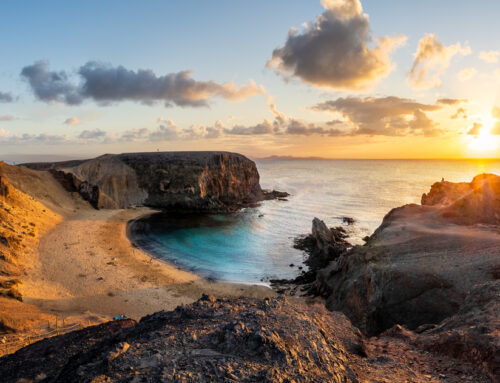
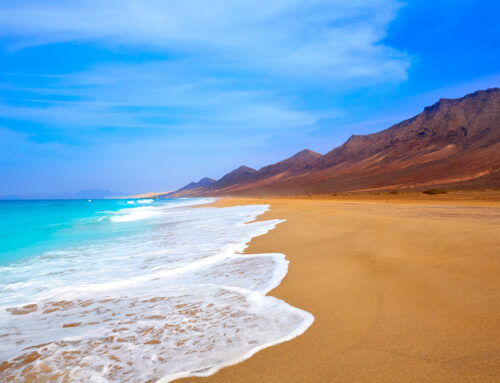
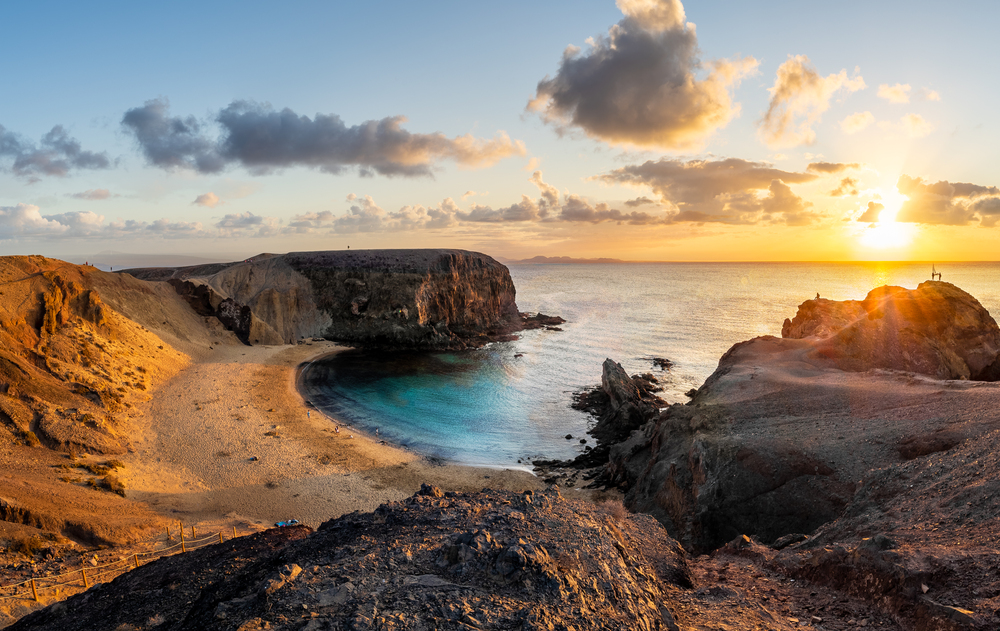
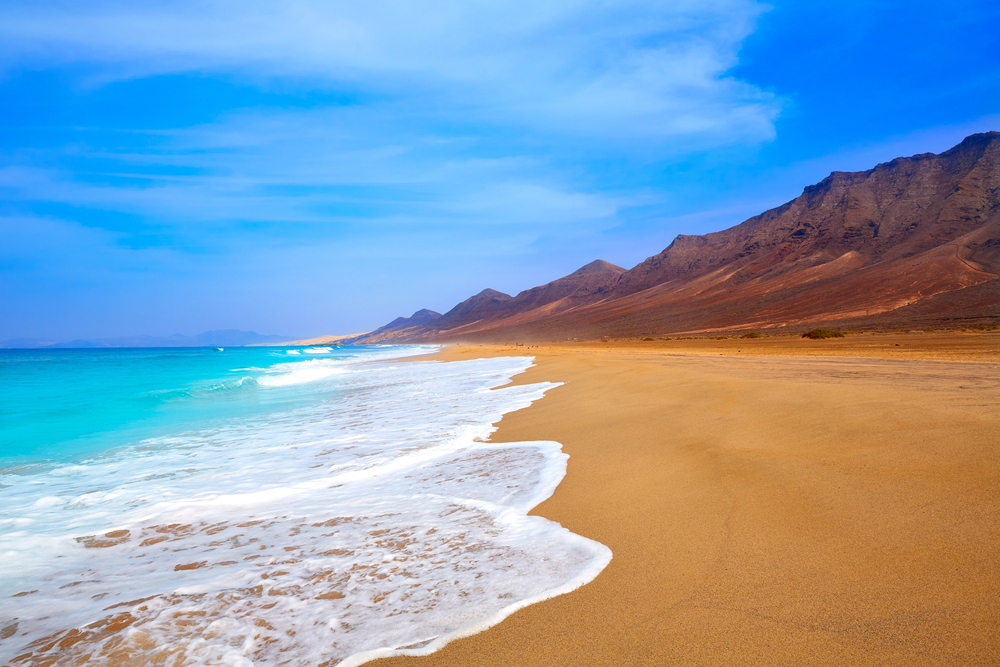
The tranquility of Fuerteventura Spain is the ideal complement to the dynamism of Gran Canaria Spain.
Geographical Features
Gran Canaria boasts a diverse and striking landscape. Its geographical characteristics range from stunning coastlines to rugged mountains, offering a variety of natural environments.
Topography and Landscapes
The island is often described as a miniature continent due to its varied topography.
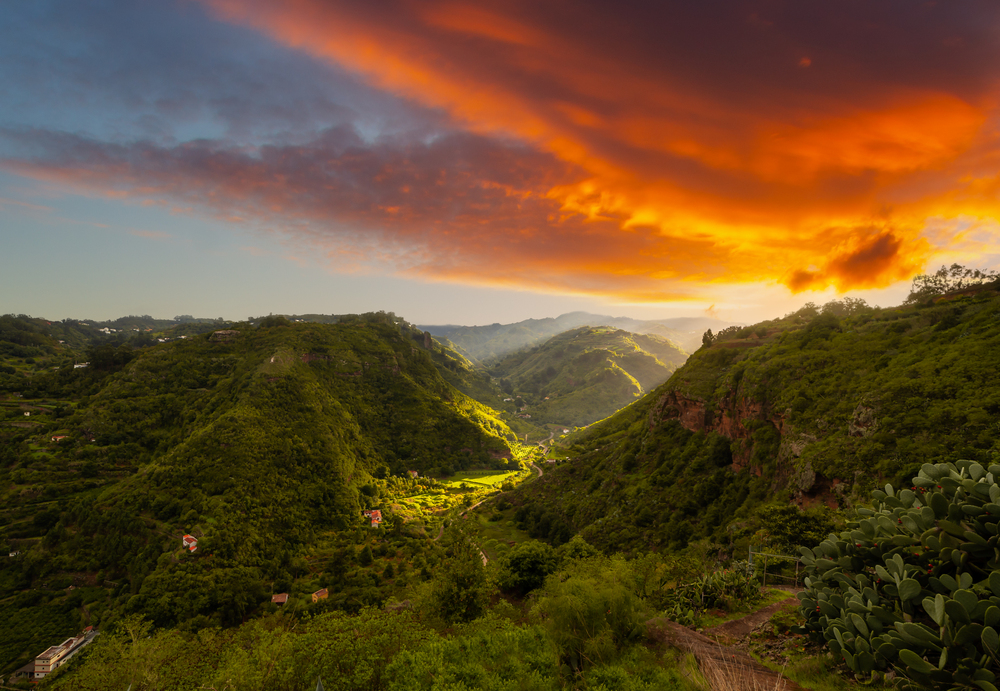
Gran Canaria’s landscape transitions from arid regions to lush forests and breathtaking beaches.
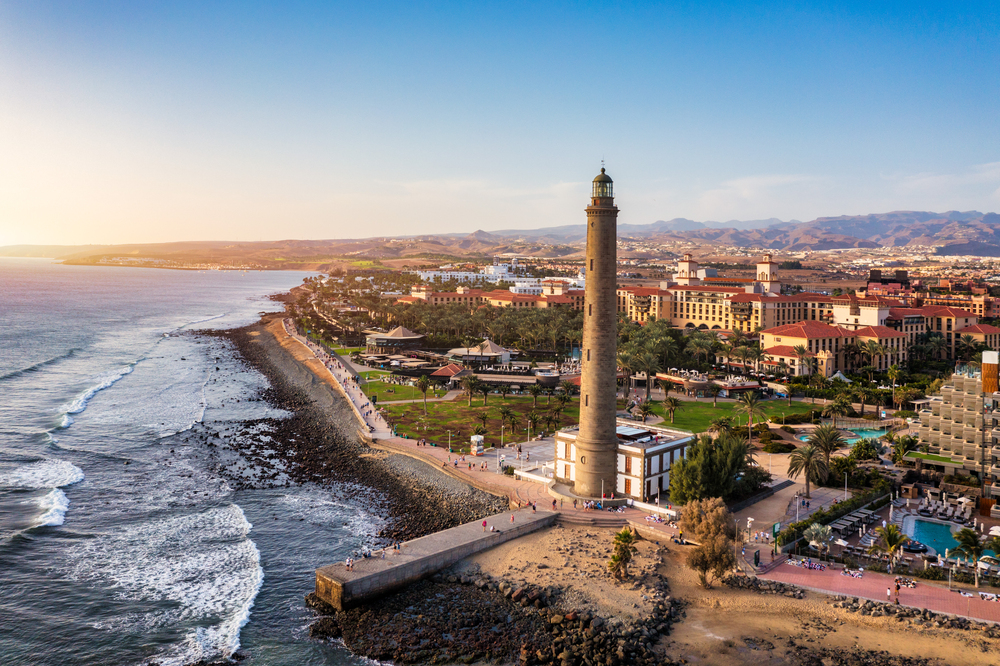
Key locations include the iconic Dunas de Maspalomas, which provides a dramatic contrast to the mountainous terrain found in the interior, such as the peaks of the central highlands.
Rock formations, valleys, and ravines create a visually stunning environment that attracts outdoor enthusiasts and hikers alike.
These dramatic contrasts are instrumental in forming the island’s microclimates, which support a wide range of flora and fauna.
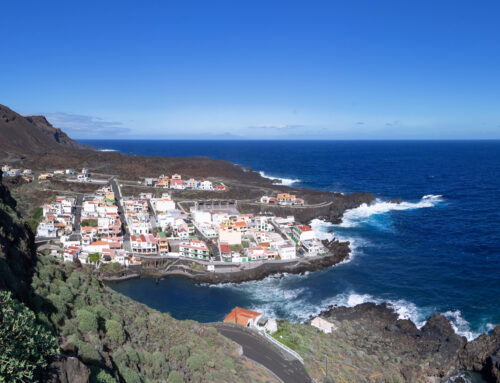
The landscapes of Tenerife Spain and Gran Canaria Spain are a must-see for photography enthusiasts.
Volcanic Origins
The island’s volcanic origins date back millions of years, undergoing significant geological changes through three primary volcanic cycles.
These cycles continue to influence the island’s topographical features, with remnants of volcanic activity visible in the form of craters and rock formations scattered throughout the landscape.
Gran Canaria’s unique geology has also contributed to its rich biodiversity, providing numerous habitats for endemic species.
Conservation efforts are ongoing to protect these ecological treasures and maintain the balance of its natural environments.
Weather and Climate
The climate of Gran Canaria Spain plays a significant role in its appeal as a holiday destination.
Renowned for its mild and pleasant weather, the island offers a unique experience with various seasonal characteristics and diverse microclimates.
Seasonal Variations
Gran Canaria enjoys warm temperatures throughout the year, typically ranging from 20 to 26 degrees Celsius.
Seasonal variations are subtle but noteworthy:
- Winter (December to February): Daytime temperatures hover around 20°C, while nights can be cooler, often dipping to 15°C. Rainfall is minimal, with occasional showers.
- Spring (March to May): The weather warms gradually, with average highs reaching 23°C. This season sees the blooming of various native plants, transforming the landscape.
- Summer (June to August): Peak tourist season showcases average temperatures of 26°C or more. The weather remains predominantly dry, making it perfect for outdoor activities.
- Autumn (September to November): Temperatures begin to decline, ranging from 23 to 25°C. September often experiences the highest sea temperatures, ideal for swimming and water sports.
Microclimates Across the Island
Gran Canaria’s geography contributes to its varied microclimates, which can differ significantly over short distances.
Several factors influence these variations, including elevation, proximity to the sea, and local topography.
- Coastal Areas: The beaches and coastal towns experience the warmest temperatures and the least rainfall. The south coast, particularly areas like Maspalomas, tends to be drier and sunnier.
- Mountainous Regions: The interior mountains can be substantially cooler due to elevation. Places like Tejeda might see temperatures drop below 10°C at night, even in summer. The area is also prone to more rainfall, creating lush green landscapes.
- North Coast: The northern part of the island has a more humid climate compared to the south. Areas like Las Palmas benefit from the moisture-laden trade winds, which contribute to higher annual rainfall and milder temperatures.
Travelling to Gran Canaria
Reaching Gran Canaria Spain is a hassle-free process, owing to its robust connectivity and accessibility.
The island welcomes millions of visitors each year, making it straightforward to explore its stunning offerings.
Flights and Accessibility
Gran Canaria is linked to major cities across Europe through a variety of airlines.
Direct flights are readily available from the UK, providing a convenient travel experience.
Major airports such as London Gatwick, Manchester, and Birmingham operate regular flights to Gran Canaria, ensuring that travellers can find suitable options throughout the year.
Flight durations typically range from four to five hours, making it an accessible destination for a short getaway or an extended holiday.
Budget airlines also offer competitive prices, making it easier for travellers to plan their trips without breaking the bank.
The connection between Lanzarote Spain and Gran Canaria offers a complete vision of the volcanic soul of the Canary Islands Spain.
Gran Canaria Airport Details
Gran Canaria Airport (LPA), located approximately 25 kilometres south of Las Palmas, serves as the primary international gateway to the island.
This well-equipped airport caters to millions of passengers annually and is regarded for its efficiency.
Facilities and Services
Gran Canaria Airport provides a variety of facilities and services designed to enhance the traveller’s experience.
Key features include:
- Several dining options ranging from cafes to full-service restaurants
- Duty-free shopping outlets offering a selection of goods
- Car rental services with numerous well-known providers
- Information desks to assist passengers with inquiries
- Free Wi-Fi services throughout the airport
For families travelling with young children, there are play areas designed to keep children entertained while waiting for flights.
The airport’s layout is user-friendly, making navigation simple for all passengers.
Transportation Options
Gran Canaria Airport is well connected to the rest of the island through various transportation options:
- Public Bus Services: Regularly scheduled buses operate to key destinations including Las Palmas Spain and popular resorts.
- Taxi Services: A fleet of licensed taxis is readily available outside the arrivals terminal, providing a quick and convenient way to reach accommodation.
- Car Rentals: Renting a car is a popular choice for those wishing to explore the island at their own pace. Numerous car rental companies are located within the airport.
The combination of these transport options makes it easy for visitors to reach their chosen accommodations or attractions without inconvenience.
Things to Do in Gran Canaria
Gran Canaria offers a diverse array of activities for visitors, from outdoor adventures to cultural experiences that reflect the island’s rich history and traditions.
The following sections highlight some of the most engaging things to explore during a visit.
Gran Canaria and El Hierro Spain invite you to disconnect and reconnect with nature.
Exploring Nature and Outdoor Activities
The natural beauty of Gran Canaria is one of its main attractions.
From stunning hikes to sun-soaked beaches, nature lovers will find plenty to do.
Hiking Roque Nublo
Roque Nublo, an iconic landmark of Gran Canaria Spain, provides an opportunity for exhilarating hiking and breathtaking views.
Standing at 1,813 metres, this volcanic rock offers a challenging yet rewarding trek.
The trail meanders through diverse landscapes, including pine forests and rocky terrain, showcasing the island’s unique ecology.
At the summit, hikers are greeted with panoramic views that stretch across the island and out to the ocean, making it a perfect spot for photography and nature appreciation.
La Palma Spain and Gran Canaria amaze with their biodiversity and starry skies perfect for stargazing.
Beaches and Coastal Areas
The island boasts a wealth of beautiful beaches, each with its own distinct charm.
Popular choices include:
- Playa del Inglés: Known for its lively atmosphere and variety of water sports, this beach is ideal for sunbathing and enjoying beachside entertainment.
- Maspalomas: Famous for its stunning dunes and natural reserve, it offers a more tranquil environment for visitors seeking solitude.
- Amadores Beach: Renowned for its calm waters and golden sands, it is perfect for families and those looking to unwind.
Each beach is easily accessible and provides various facilities, ensuring a comfortable day by the sea.
Cultural Experiences and Historical Sites
Gran Canaria is rich in culture and history, with numerous sites that reflect its past and showcase local traditions.
Las Palmas and The Museo Canario
Las Palmas de Gran Canaria, the capital city, is home to several cultural attractions.
The Museo Canario is a must-visit for those interested in the island’s history.
It features extensive collections of archaeological artifacts from the indigenous Canarii people, offering insight into their way of life before European colonisation.
The museum’s exhibits encompass various aspects of the island’s history, including pre-Hispanic society and colonial influences.
Traditional Events and Festivals
The island hosts a variety of festivals throughout the year, celebrating everything from local produce to religious traditions.
Among the most notable is the Carnival of Las Palmas, which attracts thousands with its vibrant parades and lively atmosphere.
Other events include harvest festivals and traditional music performances, providing cultural immersion and a chance to experience the warmth of Canarian hospitality.
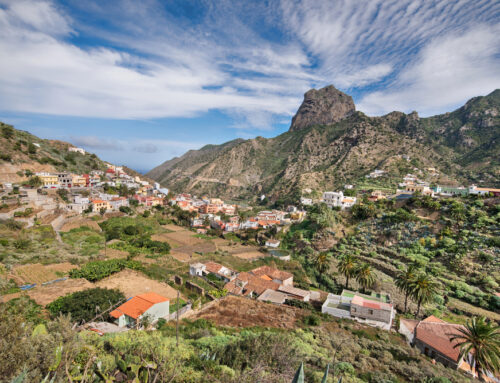
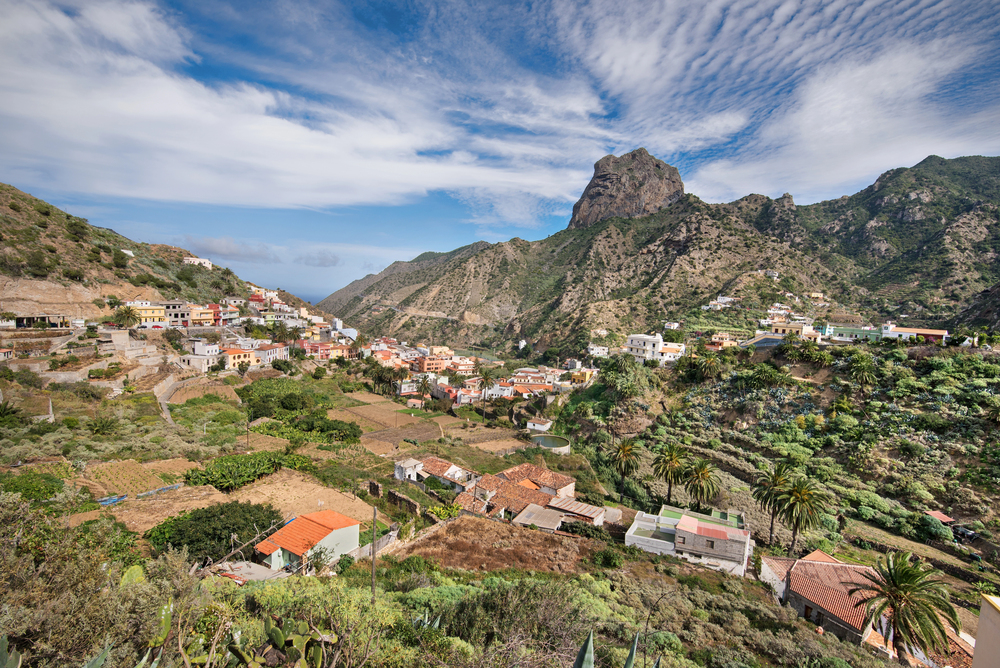
Gran Canaria and La Gomera Spain offer an unforgettable journey between beaches and lush landscapes.
Accommodation and Holidays
Gran Canaria Spain offers a diverse range of accommodation options to cater to all types of travellers.
From luxurious resorts to self-catering apartments, visitors can find the ideal place to stay during their holiday.
Yours Free
Please click / tap on the image below:
Types of Accommodation
Hotels and Resorts
The island boasts a plethora of hotels and resorts, ranging from budget-friendly options to high-end luxury establishments.
Many resorts are situated along the coast, providing stunning ocean views and easy access to the beach.
These accommodations often feature facilities such as swimming pools, spas, and restaurants, ensuring a comfortable stay for guests.
Popular hotel chains and local establishments provide varied atmospheres, catering to families, couples, and solo travellers alike.
Many resorts offer all-inclusive packages, allowing guests to enjoy meals and activities without the hassle of extra costs.
Self-catering Options
For those seeking more flexibility, self-catering options are readily available throughout Gran Canaria Spain.
Apartments and villas equipped with kitchen facilities allow visitors to prepare their meals, which can be particularly advantageous for families or those with dietary restrictions.
Self-catering accommodations can be found in both bustling urban areas and tranquil rural settings.
This option provides the freedom to explore local markets for fresh produce and enjoy home-cooked meals while experiencing the local culture.
Popular Holiday Destinations
Playa del Inglés
Playa del Inglés is one of the most popular tourist areas on the island. Known for its vibrant nightlife, extensive beach, and numerous entertainment options, it attracts thousands of tourists each year.
The area features a variety of hotels, ranging from large resorts to smaller boutique hotels, allowing visitors to choose their preferred style of accommodation.
Additionally, Playa del Inglés offers a wide selection of restaurants, shops, and activities such as water sports, making it an ideal destination for those looking to experience both relaxation and excitement.
Puerto Rico and Maspalomas
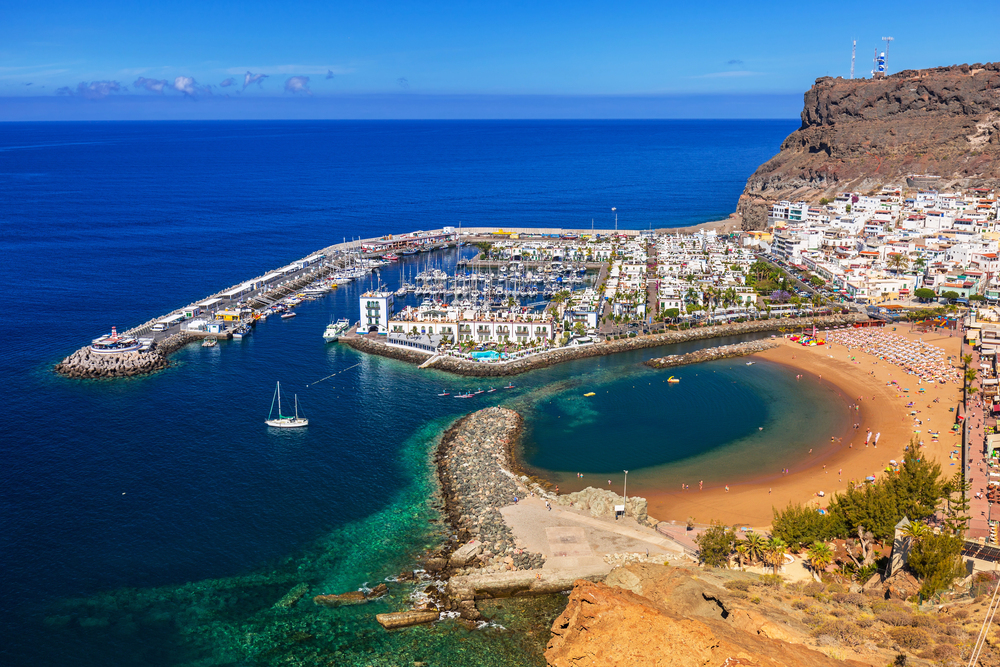
Puerto Rico is renowned for its beautiful marina and pleasant climate, making it a favourite among sun-seekers.
The area provides various lodging options, including beachfront hotels and apartments with stunning sea views.
This destination is particularly well-suited for water sports enthusiasts, as it offers activities like sailing, diving, and fishing.
Maspalomas, famous for its pristine dunes and natural reserve, features a mix of luxurious and affordable accommodation options.
Visitors can enjoy scenic walks along the beach or explore the unique landscape of the dunes.
The local amenities cater to all needs, enhancing the overall holiday experience.
Cuisine and Local Delicacies
The culinary scene in Gran Canaria Spain is rich and diverse, reflecting a blend of traditional Canarian flavours and influences from various cultures.
The island offers a variety of dishes that showcase its vibrant agricultural produce and the surrounding Atlantic waters.
Traditional Dishes
Gran Canaria is famous for several traditional dishes that are enjoyed by both locals and visitors alike.
Some of the most notable include:
- Gofio: A staple of Canarian cuisine, gofio is a type of flour made from roasted grains, often used in various dishes. It can be served with milk, added to soups, or used as a side dish to accompany meats and fish.
- Mojo: This traditional sauce comes in two main varieties: mojo rojo (red) and mojo verde (green). Made from garlic, herbs, oil, and spices, mojo is commonly used as a dip for bread or to accompany grilled meats and fish.
- Papas Arrugadas: Meaning “wrinkled potatoes,” this dish consists of small Canarian potatoes boiled in salted water and served with mojo. The unique preparation method gives them a distinctive flavour and texture.
- Queso de Flor: This artisanal cheese is made from the milk of local goats and is known for its delicate flavour. It is often served as part of a cheese board or with local honey, making for a delightful combination.
Culinary Experiences
The culinary offerings in Gran Canaria extend beyond traditional dishes, providing a wealth of experiences for food enthusiasts.
The island boasts a wide array of dining options, from rustic local eateries to high-end restaurants.
Visitors can enjoy:
- Food Markets: Local markets are a fantastic way to experience the island’s culinary culture. Markets such as Mercado de Vegueta in Las Palmas showcase fresh produce, local cheeses, and artisan products, allowing visitors to sample and purchase traditional foods.
- Gastronomy Tours: Several companies offer guided gastronomic tours, where visitors can explore the local food scene, learn about traditional cooking methods, and savour dishes in authentic settings.
- Wine Tasting: Gran Canaria Spain is home to several vineyards producing unique wines, particularly whites and reds from the Prao de Carchena region. Wine tours allow guests to taste local varieties while learning about the island’s winemaking heritage.
Transportation Within Gran Canaria
Gran Canaria offers a variety of transportation options to navigate the island efficiently.
From local buses to car hire services, travellers can easily access key destinations and enjoy the stunning landscapes along the way.
Public Transport Options
Guaguas Municipales and Bus Services
The public bus network, known locally as Guaguas, is an excellent way to explore Gran Canaria.
With an extensive range of routes covering major cities and many tourist destinations, it provides a reliable and economical means of transport.
Buses are frequent, and schedules are designed to accommodate the needs of both residents and visitors.
Most buses are modern and comfortable, ensuring a pleasant journey.
Notable routes connect Las Palmas, the capital, with popular areas such as Playa del Inglés, Maspalomas, and Puerto Rico.
The service operates with a convenient schedule, which allows for flexibility in planning day trips across the island.
Furthermore, passengers can purchase travel cards for unlimited journeys over a specified duration, enhancing affordability for those wishing to explore multiple attractions.
This is particularly beneficial for families and groups.
Car Hire and Driving
For those who prefer greater independence, car hire is readily available across the island, including at the airport and in major towns.
Various companies offer competitive rates, ranging from economy models to larger vehicles suitable for families or groups.
Driving in Gran Canaria Spain is generally safe and straightforward.
The roads are well-maintained, with clear signage and ample facilities for stopping along scenic drives.
However, some mountain roads may be narrow and winding, necessitating cautious driving.
- Popular routes include:
- The coastal road from Las Palmas to Maspalomas, offering breathtaking ocean views.
- A drive to Roque Nublo, which leads to one of Gran Canaria’s most iconic natural landmarks.
Parking facilities are widely available in urban centres, though some attractions may have limited options.
Renters should also be mindful of local regulations, which include guidelines for parking and driving speeds.
In summary, transportation within Gran Canaria is diverse and user-friendly, catering to all types of visitors.
Whether utilising public transport or driving, exploring the island is a seamless experience that allows for an unforgettable adventure.
Gran Canaria’s Flora and Fauna
Gran Canaria’s unique environment hosts diverse flora and fauna, making it a vital ecological treasure in the Atlantic.
The island’s geographical variety and climate allow for rich habitats that support numerous species, many of which are endemic to the region.
Unique Biodiversity
The biodiversity of Gran Canaria Spain is remarkable, featuring a mix of subtropical plants and a variety of wildlife.
The island is home to several ecosystems, ranging from coastal areas to mountainous regions.
This diversity supports many species that are not found anywhere else in the world.
The Canaria Blue Chaffinch
One of the crown jewels of Gran Canaria’s fauna is the Canaria Blue Chaffinch, a small bird known for its striking blue plumage and melodious song.
This endemic species is primarily found in the mountainous pine forests of the island.
The Canaria Blue Chaffinch has adapted to the rugged terrain and thrives in these high-altitude environments.
Conservation efforts are crucial to ensuring their survival, as their habitat is threatened by invasive species and human activities.
The beauty and uniqueness of the Canaria Blue Chaffinch make it a symbol of the island’s natural heritage.
Conservation Efforts and Protected Areas
Efforts to conserve Gran Canaria’s flora and fauna have resulted in the establishment of several protected areas.
The island’s diverse ecosystems are safeguarded through national parks and reserves, which play a crucial role in preserving its unique biodiversity.
Some of the notable protected areas include:
- Tamadaba Natural Park – This area is rich in endemic species and is a popular location for hiking and nature observation.
- Bandama Caldera – A geological wonder that provides a unique habitat for various plant and animal species.
- Inagua Natural Park – Known for its lush woodlands, this park is home to several important species and offers breathtaking landscapes.
Conservation initiatives focus on habitat restoration and the removal of invasive species.
Local organisations and government bodies work tirelessly to promote awareness and education about the importance of preserving Gran Canaria’s natural environment.
These efforts not only benefit wildlife but also ensure that future generations can enjoy the island’s rich biodiversity.
Yours Free
Please click / tap on the image below:
If you would like to read about other important points for living / moving to Spain, here are other useful articles we wrote: