The Canary Islands are a Spanish archipelago located in the Atlantic Ocean, just off the northwest coast of Africa.
Known for their stunning landscapes and mild climate, these islands attract millions of visitors each year.
Comprising seven main islands and several islets, the Canary Islands offer diverse natural attractions and rich cultural heritage.
Canary Islands Spain has unique features, from volcanic landscapes to beautiful beaches, making the archipelago a popular holiday destination.

Before we start… Yours Free
Please click / tap on the image below:

Etymology and Historical Background of Canary Islands Spain
The Canary Islands possess a rich etymological and historical narrative that underscores their unique identity.
Understanding the origins of their name and the cultures that shaped them provides insight into the islands’ fascinating past.
Origin of the Name
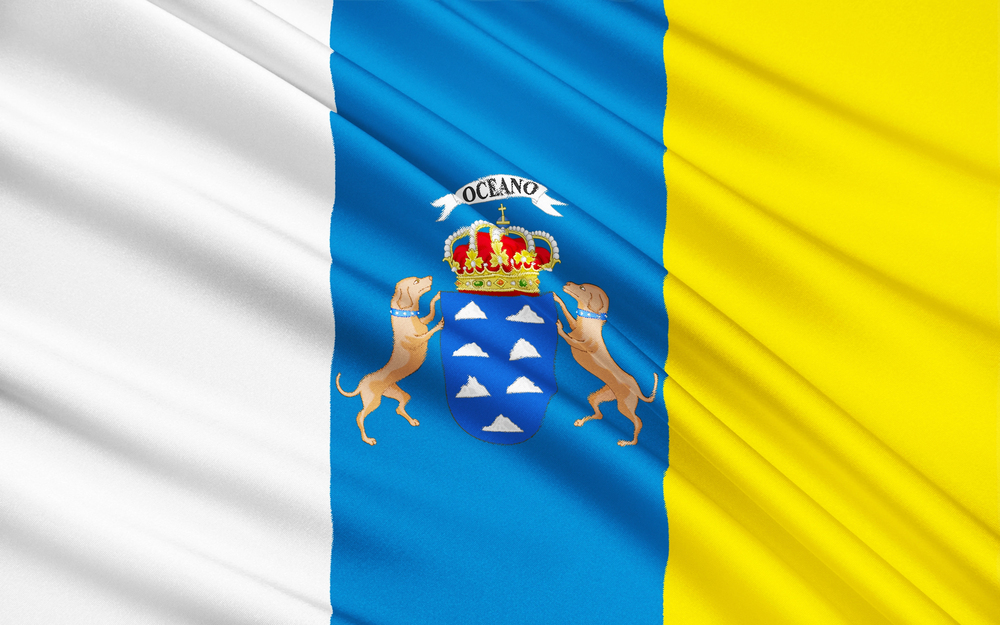
The term ‘Canary Islands’ derives from the Latin phrase “Canariae Insulae,” which translates to ‘Islands of the Dogs.’
This name is believed to have originated from the large number of dogs that were found on the islands by the early Romans.
However, it is also worth noting that ancient civilisations referred to these islands as ‘the Fortunate Isles’ due to their favourable climate and fertile lands.
Ancient Civilisations and Indigenous Cultures
The earliest known inhabitants of the Canary Islands were the Guanches, an indigenous group that settled there long before Spanish conquest.
The Guanches are believed to have arrived from North Africa, bringing with them a rich culture and unique traditions.
They spoke a language related to Berber and were known for their impressive stone structures and mummification practices.
- The Guanches lived mainly in caves and established a society centred around agriculture and pastoralism.
- They cultivated crops, such as barley and wheat, and raised livestock, relying heavily on the islands’ natural resources.
- Their spiritual beliefs were deeply rooted in nature, with a pantheon of deities representing the elements and specific aspects of life.
This early period was marked by a strong connection to their environment, which shaped the Guanche way of life and cultural practices.
The Conquest and Spanish Rule
The arrival of European powers marked a significant turning point in the history of the Canary Islands.
In the 15th century, Spanish forces began the conquest of the archipelago, a process that would fundamentally alter its demographics and culture.
This period saw the introduction of new languages, religions, and agricultural practices.
- The conquest was met with resistance from the Guanches, who fought valiantly to defend their lands. However, the Spanish forces ultimately prevailed.
- As a result of the conquest, the indigenous population faced severe declines due to warfare, disease, and the pressures of assimilation into Spanish culture.
- The islands became a crucial stop for Spanish ships en route to the Americas, further increasing their strategic importance in the region.
The subsequent centuries of Spanish rule led to the establishment of Spain as a significant colonial power, influencing the culture, economy, and social structures of the islands.
The legacy of this period can still be observed today in the islands’ language, traditions, and overall cultural landscape.
Geography and Climate
The Canary Islands Spain boast a diverse geography and a unique climate, contributing to their reputation as a top travel destination.
The stunning landscapes range from volcanic mountains to beautiful beaches, while the climate remains mild throughout the year.
Geographical Location of the Archipelago
The Canary Islands are positioned in the Atlantic Ocean, approximately 100 kilometres west of the Moroccan coastline.
This strategic location places them as the southernmost part of Spain and a significant point connecting Europe, Africa, and the Americas. The archipelago comprises seven main islands, namely:
- Tenerife
- Gran Canaria
- Lanzarote
- Fuerteventura
- La Palma
- La Gomera
- El Hierro
In addition to these larger islands, there are smaller islets such as La Graciosa and Isla de Lobos, which add to the archipelago’s allure.
The varied topography features volcanic ranges, mountainous regions, and coastal plains, contributing to an impressive natural landscape.
Climate Characteristics
The climate across the Canary Islands Spain can be described as subtropical, characterised by mild winters and warm summers.
This consistency in temperature makes the islands an attractive destination year-round.
Temperatures generally range from 18°C to 25°C, providing an inviting environment for various outdoor activities.
The islands experience two primary seasons: a dry season from May to September and a wet season from October to April.
Rainfall is less common, occurring mainly in the winter months.
Microclimates also exist within the islands, resulting from varying altitudes and geographical features.
This diversity leads to a wide array of flora and fauna across different regions.
Unique Geological Features
The geological landscape of the Canary Islands is fascinating, being of volcanic origin.
Each island presents unique features resulting from past volcanic activity. Some key geological highlights include:
- Teide National Park: Home to Mount Teide, Spain’s highest peak and a UNESCO World Heritage Site, this area features stunning volcanic formations and rare vegetation.
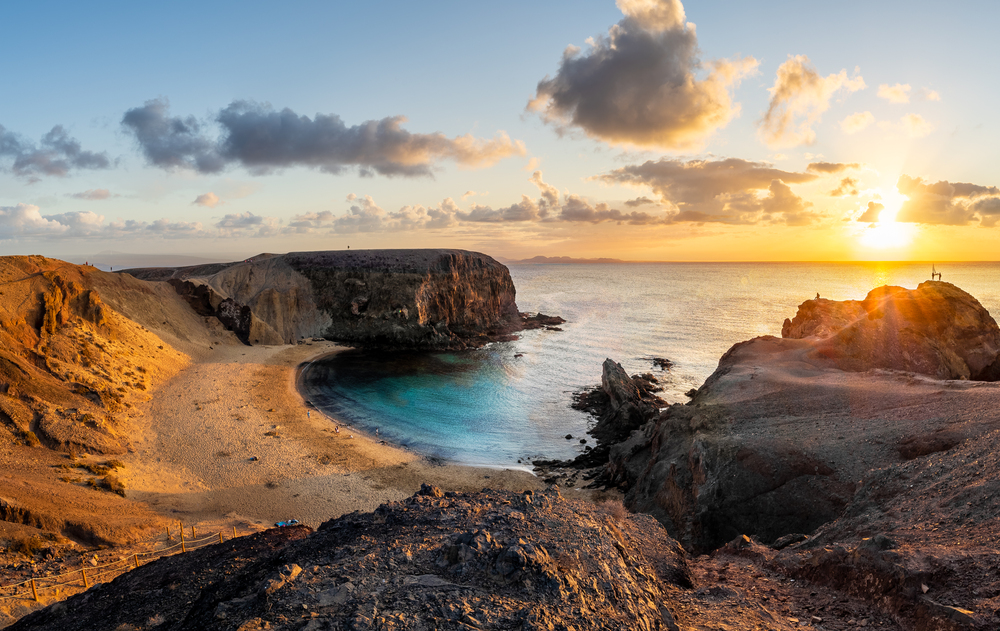
- Los volcanes de Lanzarote: This region showcases a dramatic terrain of lava fields and craters, making it an essential part of the island’s identity.
- La Caldera de Taburiente: Located in La Palma Spain, this natural park is famous for its deep ravines and lush landscapes, perfect for hiking.
These geological wonders are not only visually striking but also play a vital role in the ecosystem of the islands.
The unique terrain influences the climate and biodiversity, making the Canary Islands a remarkable natural laboratory for scientists and visitors alike.
The Islands Overview
The Canary Islands consist of seven main islands, each offering unique experiences and stunning natural beauty.
This overview highlights the distinct characteristics of each island, from their landscapes to their cultural offerings.
Tenerife: The Largest Island
Tenerife Spain is the largest and most populous of the Canary Islands Spain, renowned for its diverse landscapes and vibrant cities.
It is home to Mount Teide, Spain’s highest peak, which attracts numerous hikers and nature enthusiasts.
The island also features beautiful beaches, lush forests, and bustling resorts. Key attractions include:
- The Teide National Park, a UNESCO World Heritage Site.
- The lively capital, Santa Cruz, known for its festivities and shopping districts.
- La Laguna, a UNESCO-listed city filled with historical buildings and charm.
Gran Canaria: Diversity of Landscapes
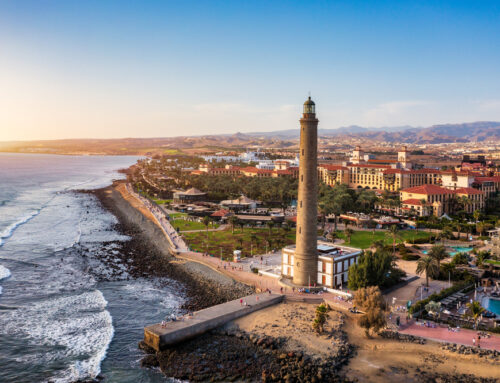
Gran Canaria Spain boasts a mosaic of landscapes, including sandy beaches, mountainous regions, and lush valleys.
This geographical diversity makes it a prime destination for outdoor activities and exploration.
Visitors can enjoy:
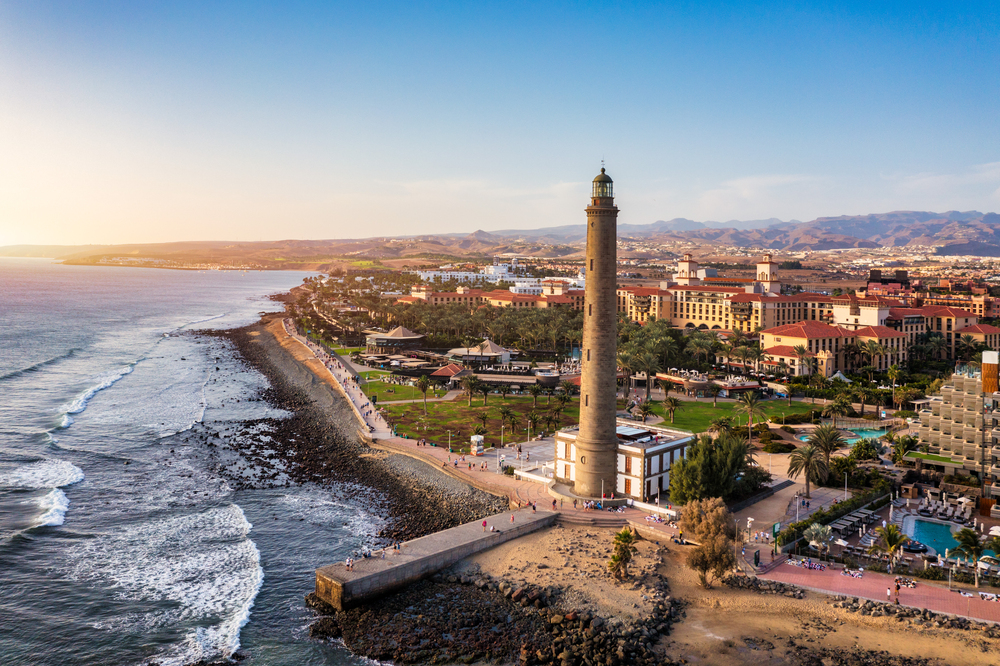
- The stunning dunes of Maspalomas.
- The picturesque village of Tejeda, with its breathtaking views.
- The capital, Las Palmas, which offers a vibrant cultural scene and beautiful beaches.
Lanzarote: Volcanic Wonders
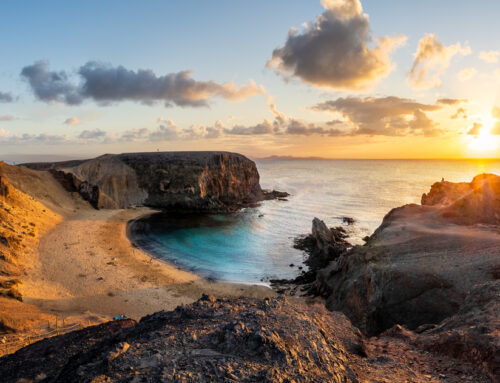
Lanzarote Spain is famed for its unique volcanic landscapes, which include the Timanfaya National Park.
The island’s arid environment has cultivated a distinctive natural beauty, characterised by dramatic lava fields and intriguing rock formations.
Points of interest include:
- Timanfaya National Park, where visitors can witness geothermal demonstrations.
- César Manrique’s architectural works, seamlessly blending nature with art.
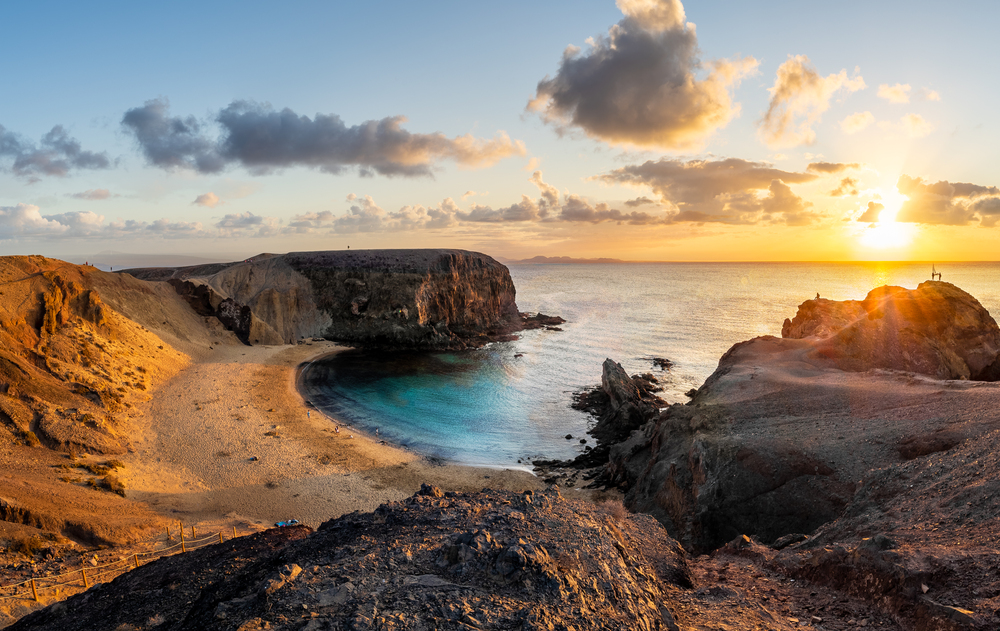
- Beautiful beaches like Playa de Papagayo, known for their crystal-clear waters.
Fuerteventura: Beaches and Tranquility
Fuerteventura Spain is celebrated for its stunning white-sand beaches and tranquil atmosphere.
With miles of coastline and a laid-back vibe, it serves as an ideal destination for relaxation and water sports.
The island features:
- Corralejo Natural Park, famous for its striking sand dunes.
- Luxury resorts and beach clubs that cater to visitors seeking comfort and leisure.
- Excellent conditions for windsurfing and kitesurfing.
La Palma: The ‘Isla Bonita’
Often called the ‘Isla Bonita‘ or the beautiful island, La Palma is known for its lush vegetation and mountainous terrain.
It is a UNESCO Biosphere Reserve, boasting impressive natural parks and rich biodiversity.
Attractions include:
- The Caldera de Taburiente National Park, ideal for hiking and nature walks.
- The Roque de los Muchachos observatory, which offers some of the best stargazing in Europe.
- Charming towns such as Santa Cruz de La Palma with historical architecture.
La Gomera: Biodiversity and Trails
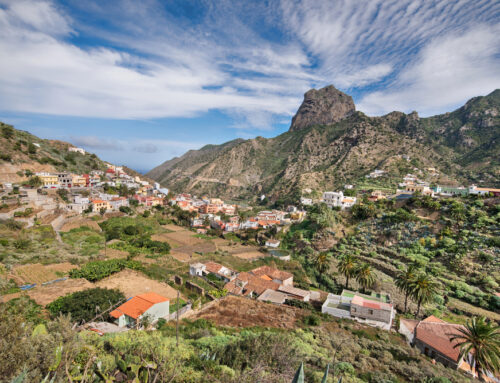
La Gomera Spain is renowned for its rich biodiversity and natural trails.
It features lush forests, steep cliffs, and stunning views.
The island is a paradise for hikers and nature lovers, with several attractions to explore:
- Garajonay National Park, recognised for its laurel forests and various hiking paths.
- The unique whistling language, Silbo Gomero, which reflects its cultural heritage.
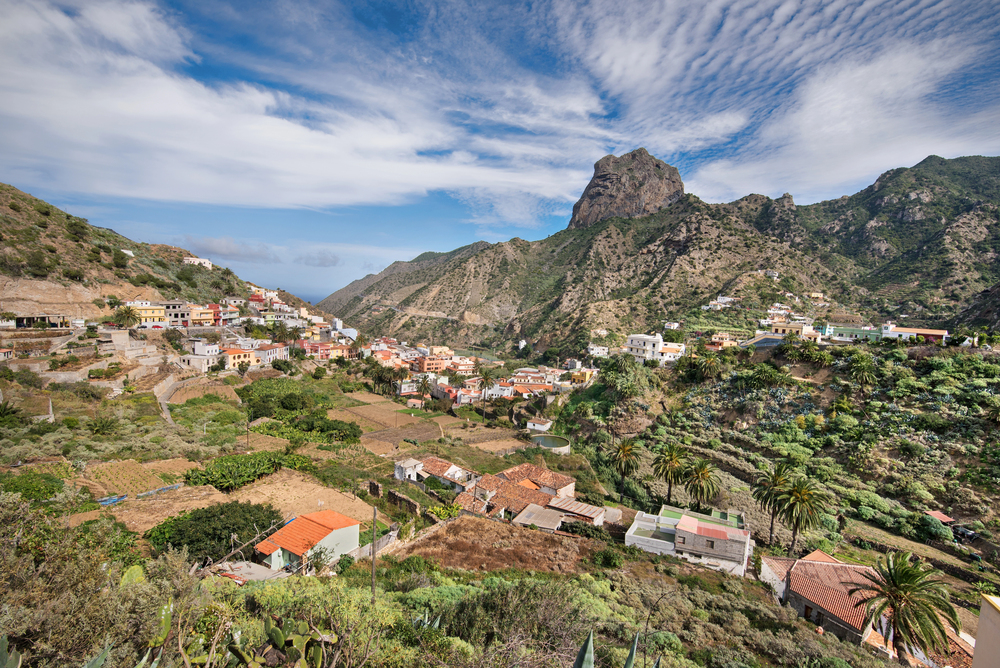
- The picturesque village of Vallehermoso, offering a glimpse into local life.
El Hierro: Unspoiled Beauty
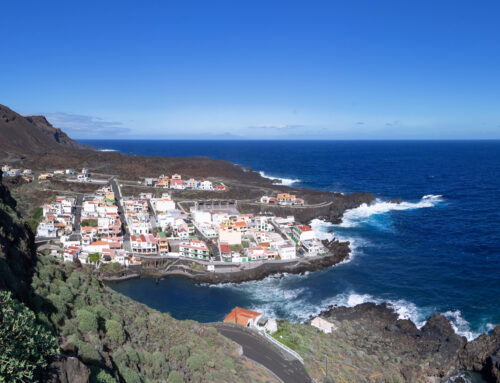
El Hierro Spain is the smallest and least populated of the main islands, known for its unspoiled landscapes and tranquil environment. This hidden gem is perfect for those seeking serenity and natural beauty. Highlights include:
- The El Hierro Biosphere Reserve, featuring incredible biodiversity and natural wonders.
- Stunning viewpoints like Mirador de la Peña, offering breathtaking panoramas.
- A variety of hiking trails through its diverse terrain.
Minor Islets and Rocks
In addition to the seven main islands, the Canary Islands archipelago includes several smaller islets and rocks, such as La Graciosa, Alegranza, and Isla de Lobos. These lesser-known spots provide secluded beaches and pristine natural environments, ideal for nature lovers and those looking to escape the crowds.
- La Graciosa, known for its unspoiled beaches and tranquillity.
- Alegranza, a small islet with dramatic cliffs and a rich marine environment.
- Isla de Lobos, a nature reserve that is perfect for hiking and exploring.
Cultural Heritage and Demographics
The cultural heritage and demographics of the Canary Islands reflect a rich tapestry woven from centuries of diverse influences and traditions.
This unique blend contributes to the islands’ vibrant identity and character.
Population and Diversity
The Canary Islands are home to approximately 2.2 million inhabitants, a figure that has grown steadily over the years. The population is a melting pot of cultures, due in part to the islands’ strategic location. The demographic makeup includes a mix of indigenous Canarians, Spanish settlers, and immigrants from various parts of the world.
Many residents have roots in South America, particularly from countries such as Venezuela and Cuba, resulting in a rich cultural fusion.
This diversity is celebrated and reflected in various aspects of daily life, from language to cuisine.
Religious Traditions and Festivals
Religion plays a significant role in the cultural landscape of the Canary Islands Spain.
The predominant faith is Roman Catholicism, introduced during the Spanish conquest in the 15th century.
This influence is evident in numerous religious festivals that take place throughout the year, blending traditional fervour with local customs.
- Semana Santa (Holy Week): A week-long celebration leading up to Easter, marked by elaborate processions and religious ceremonies in towns across the islands.
- Fiestas de San Juan: Celebrated on the night of June 23rd, this festival includes bonfires and fireworks, honouring Saint John the Baptist.
- Carnival: The Canary Islands are renowned for their vibrant Carnival celebrations, especially in Santa Cruz de Tenerife, which is one of the largest and most colourful carnivals in Europe.
These festivals not only highlight religious devotion but also serve as a means of community bonding and cultural expression, attracting both locals and tourists alike.
Gastronomy: Flavours of the Islands
The culinary landscape of the Canary Islands Spain showcases a unique blend of flavours that reflect its diverse cultural influences.
Traditional dishes often feature fresh local ingredients, showcasing the islands’ agricultural bounty.
Key elements of Canarian cuisine include:
- Papas arrugadas: Small, wrinkled potatoes served with a spicy sauce known as mojo, made from garlic, herbs, and chilli.
- Gofio: A type of flour made from roasted grains, used in various dishes, from soups to desserts.
- Queso de cabra: Goat cheese is a staple, often enjoyed fresh or aged, and can be found in numerous local markets.
The islands are also known for their wine production, particularly from La Geria in Lanzarote, where unique volcanic soil conditions contribute to distinctive flavours.
With an emphasis on locally sourced ingredients and traditional methods, Canarian gastronomy offers a delightful culinary experience that reflects the islands’ heritage.
Yours Free
Please click / tap on the image below:
Economy and Tourism
The economy of the Canary Islands is largely driven by tourism, which plays a fundamental role in sustenance and growth.
This vibrant industry attracts millions of visitors each year, contributing significantly to local employment and infrastructure development.
Tourism as an Economic Driver
The impact of tourism in the Canary Islands Spain cannot be overstated.
With its pristine beaches, pleasant climate, and diverse activities, the islands have become a premier destination for tourists from across Europe and beyond.
Popular Tourist Attractions
- The Teide National Park in Tenerife, home to Spain’s highest peak, Mount Teide, offers breathtaking landscapes and opportunities for hiking and photography.
- Gran Canaria’s diverse terrains and cultural sites attract visitors interested in both natural beauty and historical experiences.
- Lanzarote’s unique volcanic scenery, particularly the Timanfaya National Park, is a major draw for those curious about geological wonders.
- Fuerteventura is famous for its stunning beaches and water sports, appealing to sun-seekers and adventure enthusiasts alike.
- La Palma, known for its lush forests and clear night skies, is popular among nature lovers and stargazers.
Market Origins of Visitors
The Canary Islands Spain receive a diverse range of tourists, with the majority originating from Europe.
Key markets include:
- The United Kingdom, where sun-seeking tourists flock to escape colder climates.
- Germany, noted for its significant number of visitors preferring package holidays.
- Scandinavian countries, from where travellers often explore the islands’ mild winters and beautiful landscapes.
- Emerging interest from Latin American countries, illustrating the islands’ growing global appeal.
Agriculture and Local Produce
While tourism is the chief economic driver, agriculture also plays a vital role in the Canary Islands’ economy.
The islands benefit from fertile volcanic soil combined with a subtropical climate, allowing for various crops to thrive.
- Bananas are among the most significant exports, with the islands known for producing high-quality fruit.
- Tomatoes and other vegetables are cultivated extensively for local consumption and export.
- Wine production is also notable, particularly from La Geria in Lanzarote, where unique cultivation techniques are employed.
Increasing Sustainability Efforts
In recent years, there has been a growing awareness of the need to balance economic development with environmental sustainability.
Efforts are being made to promote sustainable tourism practices to protect the islands’ natural beauty.
- Initiatives aimed at reducing waste and promoting recycling are being implemented across the islands.
- There is an increasing focus on eco-tourism, encouraging visitors to engage with nature while preserving it.
- The promotion of local products supports not only the economy but also ensures that traditional farming methods and practices are maintained.
Transport and Connectivity
Efficient transport and connectivity are crucial for both residents and visitors in the Canary Islands Spain.
The archipelago is well-connected through a network of airports, ferry services, and public transport options, making travel between the islands and to the mainland seamless.
Major Airports and International Links
The Canary Islands boast several major airports that serve international and domestic flights. The key airports include:
- Tenerife South Airport
- Gran Canaria Airport
- Lanzarote Airport
- Fuerteventura Airport
Tenerife South Airport is the largest and most trafficked, handling millions of passengers each year.
It offers numerous direct flights to major cities in Europe, facilitating easy access for tourists seeking sun and adventure.
Gran Canaria Airport is another significant hub, known for its variety of charter and scheduled flights to continental Europe and beyond.
Lanzarote and Fuerteventura Airports cater to a growing number of tourists, with routes primarily connecting to European destinations.
The airports are equipped with modern facilities to ensure a pleasant travel experience, including car rental services, shops, and dining options.
Inter-Island Transport Systems
Getting around the Canary Islands Spain is made easy through a reliable inter-island transport system.
Ferries connect popular islands like Tenerife, Gran Canaria, La Gomera, and Fuerteventura, making it convenient for visitors to explore the unique offerings of each island.
The journey typically provides stunning views of the ocean and the islands themselves.
For those preferring quicker options, internal flights are available.
The are short flights efficient, taking only about 30 minutes, and are a preferred choice for many travelers.
Public Transport Solutions
Once on an island, public transport options are readily available to facilitate easy movement.
Each island has its own public transport system, ensuring visitors can travel comfortably without the need for a car.
Key aspects include:
- Bus Services
- Tram Systems
Each island’s bus services operate comprehensive routes, linking major towns, airports, and tourist hotspots.
The buses are generally affordable and provide a reliable means of transport for both locals and tourists.
In Tenerife, the tram system connects the capital, Santa Cruz, to La Laguna, enhancing connectivity within the northern part of the island.
This modern form of transport makes it easy for visitors to explore urban areas without hassle.
Additionally, taxi services and ride-hailing apps like Cabify are widely available, providing further options for personal transport.
This extensive transport network plays a vital role in the experience of anyone visiting the Canary Islands, making exploration easy and enjoyable.
Wildlife and Natural Attractions
The Canary Islands Spain are renowned for their breathtaking landscapes and rich biodiversity.
The unique combination of geographical features and a mild climate supports a wide variety of wildlife and natural attractions, making the archipelago a haven for nature enthusiasts.
Flora and Fauna
The islands boast a diverse range of flora and fauna, much of which is endemic to the region.
This unique biodiversity can be attributed to the islands’ varied habitats, including coastal areas, mountains, and volcanic landscapes.
- Vegetation Types:
- Laurel Forests: Found primarily on La Gomera and La Palma, these forests are rich in ferns and unique tree species.
- Succulents and Cacti: Lanzarote and Fuerteventura are home to several species of cacti and succulents, adapted to the arid conditions.
- Canarian Pine: This resilient species dominates the higher elevations of Tenerife and Gran Canaria, providing vital habitats for many birds.
- Animal Species:
- Endemic Birds: The islands are home to various bird species, including the giant pigeons, such as the Tenerife bluethroat and the laurel pigeon.
- Reptiles: Unique reptiles, including the El Hierro lizard and the western chameleon, can be found throughout the islands.
- Marine Life: The surrounding waters are teeming with diverse marine life, featuring various fish species, dolphins, and whales.
Marine Life and Diving Spots
The marine environment surrounding the Canary Islands is equally impressive, with vibrant underwater ecosystems and abundant marine species.
The warm Atlantic waters provide excellent conditions for diving and snorkelling enthusiasts.
- Popular Diving Locations:
- El Hierro: Known for its clear waters and rich marine biodiversity, including various fish species and unique underwater formations.
- Lanzarote: The volcanic seabed offers dramatic diving sites, with caves and tunnels teeming with marine life.
- La Palma: The natural marine reserve here is a favourite for divers, featuring coral reefs and a myriad of fish.
- Whale Watching:
- The waters between Tenerife and La Gomera are famous for sightings of pilot whales and bottlenose dolphins throughout the year.
- Specialised tours operate to offer visitors a chance to observe these incredible creatures in their natural habitat.
Protected Areas and National Parks
To preserve the natural beauty and biodiversity of the Canary Islands Spain, numerous protected areas and national parks have been established.
These locations provide vital habitats for many species while offering opportunities for outdoor and adventure enthusiasts.
- Key National Parks:
- Teide National Park: Home to Mount Teide, this park features unique volcanic landscapes along with endemic flora and fauna.
- Garajonay National Park: Located on La Gomera, this park is a UNESCO World Heritage site, showcasing valuable laurel forests and diverse wildlife.
- Timanfaya National Park: Lanzarote’s geological wonder, characterised by its volcanic formations and unique ecology.
- Conservation Efforts:
- Numerous initiatives are in place to protect endangered species, rehabilitate habitats, and promote sustainable tourism practices.
- Educational programmes are also available to raise awareness about the islands’ unique ecosystems and the importance of conservation.
Activities and Leisure Opportunities
The Canary Islands offer a diverse range of activities and leisure opportunities, appealing to all types of visitors.
From thrilling outdoor adventures to rich cultural experiences and tranquil wellness retreats, the islands cater to every taste and preference.
Outdoor and Adventure Activities
The natural landscapes of the Canary Islands are a playground for adventure seekers.
The archipelago’s unique geography provides countless opportunities for outdoor pursuits.
-
Hiking
There are numerous trails for hiking enthusiasts, from the stunning volcanic landscapes of Teide National Park in Tenerife to the lush forests of La Gomera.
Many routes vary in difficulty, allowing everyone from beginners to experienced trekkers to enjoy the breathtaking scenery.
-
Wa ter Sports
The crystal-clear waters surrounding the islands are perfect for an array of water sports.
Popular activities include:
-
- Surfing: Fuerteventura is renowned for its excellent surfing conditions, attracting surfers from around the globe.
- Diving: The rich marine life around Lanzarote’s underwater reserves offers unforgettable diving experiences.
- Snorkelling: Colourful reefs and abundant fish species can be easily explored by snorkelling at several beach locations.
-
Cycling
Biking routes across the islands provide fantastic ways to explore both rural and urban landscapes.
Various cycle hire options make it easy for visitors to discover the islands at their own pace.
Cultural Events and Festivities
The rich cultural landscape of the Canary Islands is evident in its vibrant festivals and events held throughout the year.
Each island has its unique celebrations that reflect the diverse influences that shape the archipelago.
-
Carnival
The Carnival of Santa Cruz de Tenerife is one of the largest and most famous in the world.
Festivities include parades, music, dancing, and elaborate costumes, celebrating local culture in a spectacular display.
-
Local Festivals
Many villages host unique local fiestas throughout the year, featuring traditional music, dance, and food.
These festivals provide an authentic glimpse into the local way of life.
-
Art and Music
Various art exhibitions and music festivals take place across the islands, showcasing both local talents and international performers.
These events range from classical concerts to contemporary art shows.
Relaxation and Wellness Options
For those seeking peace and rejuvenation, the Canary Islands present numerous relaxation and wellness opportunities.
The tranquil environment and therapeutic climate are conducive to unwinding and healing.
-
Spa Retreats
Many luxury hotels and resorts offer wellness retreats, providing spa treatments that utilise local ingredients known for their healing properties.
Visitors can indulge in massages, skincare therapies, and holistic treatments.
-
Yoga and Meditation
Yoga retreats are increasingly popular, often set against stunning natural backdrops.
These retreats offer classes led by experienced instructors, catering to all skill levels, allowing for mental and physical rejuvenation.
-
Beaches for Relaxation
With numerous idyllic beaches, the Canary Islands are perfect for relaxation.
Locations such as Maspalomas in Gran Canaria and Playa de Sotavento in Fuerteventura provide serene settings for sunbathing and tranquillity.
Yours Free
Please click / tap on the image below:
If you would like to read about other important points for living / moving to Spain, here are other useful articles we wrote: