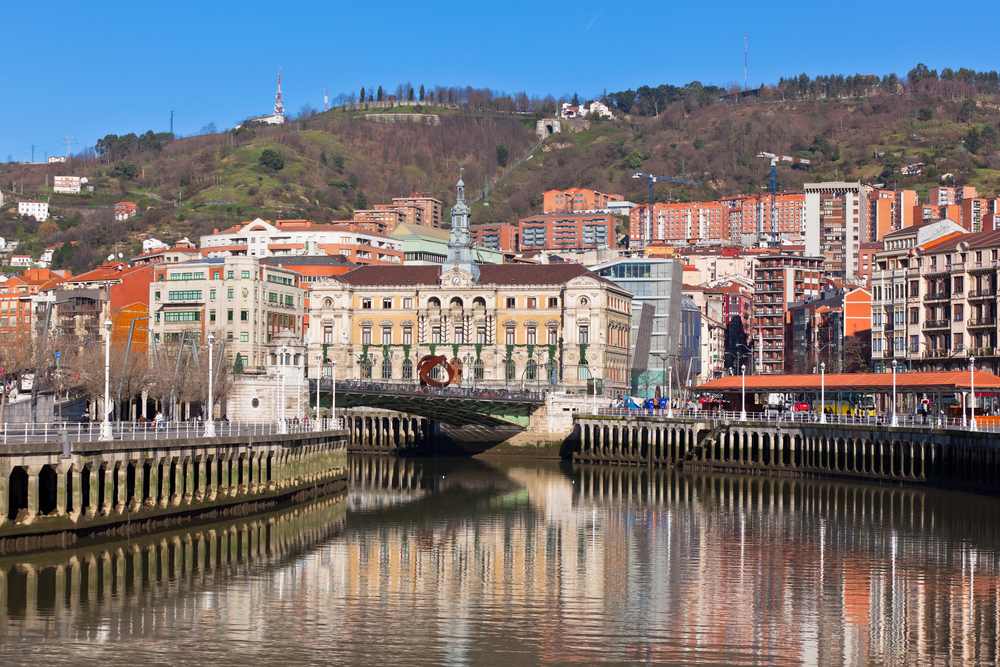
The Basque Country is an autonomous community located in northern Spain.
It is known for its unique culture, language, and stunning landscapes that include mountains and coastline.
This region comprises three provinces: Álava, Bizkaia, and Gipuzkoa.
Each province has its own distinct character, contributing to the rich heritage and cultural identity of the Basque Country Spain.

Before we start… Yours Free
Please click / tap on the image below:

Geographical Overview of the Basque Country Spain
The geographical landscape of the Basque Country is characterized by its remarkable diversity, ranging from rugged coastlines to lush mountains.
This section delves into the location, mapping, climate, and the various landscapes that define this vibrant region.
The Location of the Basque Country
Situated in the north of Spain, the Basque Country Spain shares its borders with France to the north and the autonomous community of La Rioja to the south.
The region is bordered by the Atlantic Ocean along the north, which not only influences its climate but also contributes to its scenic coastline.
The three provinces—Álava, Bizkaia, and Gipuzkoa—each possess unique geographical attributes that shape their individual identities.
The Basque Country Map
A detailed map of the Basque Country reveals the distribution of its provinces, natural features, and urban centres.
Major cities such as Bilbao, Donostia-San Sebastian Spain, and Vitoria-Gasteiz are prominently marked.
The map also indicates key geographic landmarks, including the Pyrenees mountain range and the Bay of Biscay coastline.
The layout provides insight into the connectivity of the region, showcasing the transport networks that link rural areas with urban hubs.
Climate and Landscape in the Basque Region
The Basque Country Spain enjoys a predominantly oceanic climate, featuring mild winters and cool summers.
Rainfall is abundant, often exceeding 1,200 mm annually, supporting a rich ecological diversity.
This climate fosters a variety of ecosystems across the provinces, from the fertile plains of Álava to the dense forests of Bizkaia and Gipuzkoa.
-
Coastal Areas
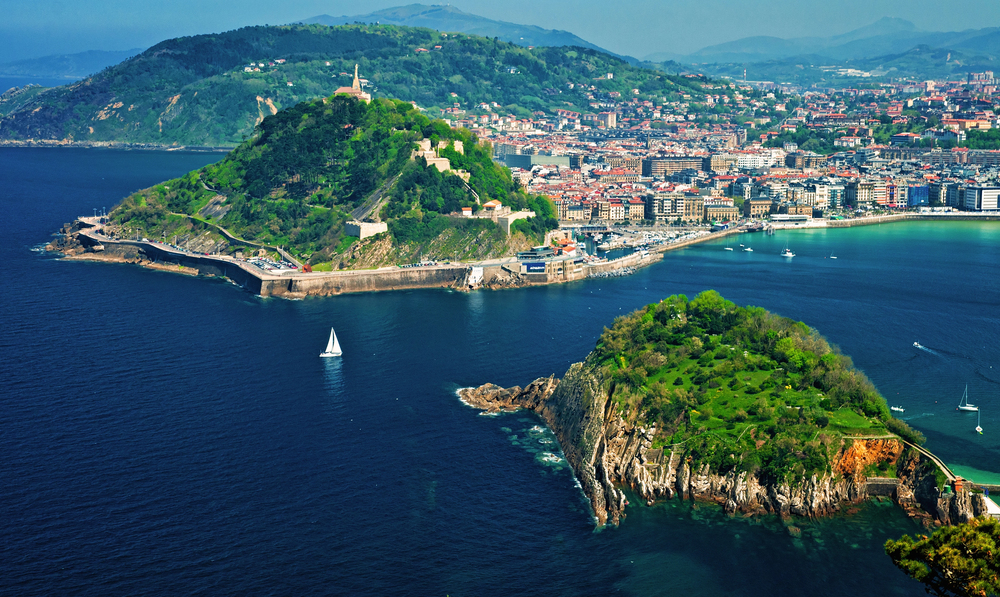
The northernmost regions boast a stunning coastline punctuated by cliffs, sandy beaches, and picturesque fishing villages.
The influence of the Atlantic Ocean can be seen in both the maritime climate and the local culture.
-
Mountain Ranges
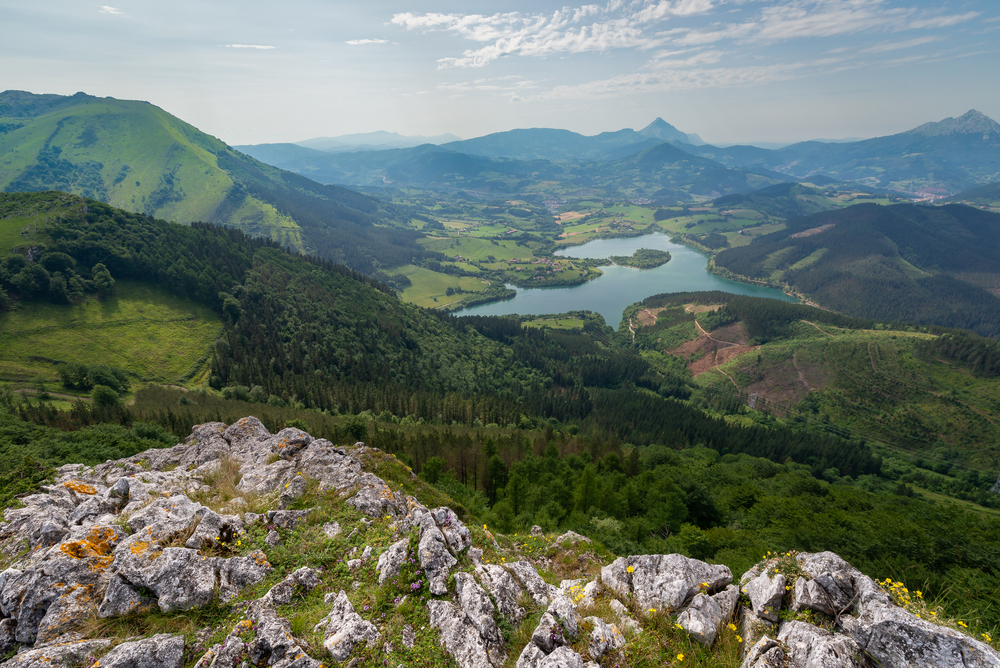
The Basque Country’s inland areas are characterized by the presence of the Pyrenees, providing dramatic scenery and numerous hiking opportunities.
The mountains create a natural barrier, contributing to a range of microclimates suitable for diverse flora and fauna.
-
Green Spaces
Each province is home to significant green spaces, including parks and nature reserves.
These areas serve as vital habitats for wildlife and recreational spaces for locals and visitors alike.
Overall, the geographical composition of the Basque Country Spain is integral to its identity, influencing not only the local climate and ecosystems but also the lifestyle and culture of its inhabitants.
The interaction between land and ocean, along with the province’s unique topography, creates a stunning backdrop for both daily life and tourism.
History and Heritage
The rich tapestry of history and heritage in the Basque region has shaped its unique identity over millennia.
From prehistoric settlements to the impact of modern events, each phase of history contributes to the cultural richness seen today.
Prehistoric and Middle Ages
The Basque Country boasts a profound prehistoric heritage, evidenced by remarkable archaeological sites such as the famous cave of Altamira, known for its stunning cave paintings dating back to approximately 36,000 years ago.
This UNESCO World Heritage site offers insight into the early inhabitants’ artistic expression and relationship with their environment.
Throughout the Middle Ages, the region experienced significant sociopolitical changes.
The kingdoms of Navarre and Castile exerted influence, especially during the Christian reconquest of the Iberian Peninsula.
The Basque territory developed its own distinct identity during this period, characterised by a strong sense of autonomy and local governance, reflected in the establishment of the ‘fueros’, which were a set of laws granting civil rights and privileges to local populations.
Cultural Symbols and Traditions
The cultural heritage of the Basque Country Spain is marked by various traditions, and customs that showcase its distinct identity.
Traditional celebrations are numerous and vibrant, showcasing local customs. Some significant events include:
- tamborrada: A drum festival held in San Sebastián to celebrate the city’s patron saint, featuring parades and musical performances.
- Semana Grande: A week-long festival in Bilbao with concerts, street fairs, and fireworks that highlight the cultural vibrancy of the region.
- Fêtes de Bayonne: A lively festival in the French Basque region, celebrating local culture with music, dance, and regional gastronomy.
These traditions not only reflect its rich history.
Folk music, traditional dances such as ‘aurresku’, and culinary practices, including the famed pintxos, further enhance the cultural landscape, ensuring that the past remains a vital part of present-day life.
The Basque Language
The Basque language, known as Euskera, is a cornerstone of the region’s identity.
It is a language isolate, meaning it is not related to any other known language, which adds to the unique character of the Basque people.
Euskera is used in literature, music, and daily conversations.
Yours Free
Please click / tap on the image below:
Festivals and Traditions
The Basque Country is known for its vibrant festivals, which reflect its rich cultural heritage.
Traditional celebrations often incorporate music, dance, and local cuisine, offering a window into the region’s past and present.
-
Semana Grande
This week-long festival held in Bilbao Spain features concerts, fireworks, and various cultural events.
It celebrates the local culture, drawing thousands of visitors every year.
-
La Tamborrada
Taking place in San Sebastián, this drumming festival sees participants march through the city, playing drums and barrels, creating an energetic atmosphere that captivates locals and tourists alike.
-
Feria de Santo Tomás
Held in December in Vitoria Spain, this market showcases traditional Basque products, especially food, and reflects the agricultural roots of the region.
Visitors enjoy local delicacies while celebrating the community spirit.
These festivals not only preserve but also innovate traditions, allowing for the coexistence of past and contemporary cultural elements.
Impact of French and Spanish Cultures
While the Basque Country Spain retains a distinct identity, it is inherently influenced by its geographical location between France and Spain.
This proximity has led to a fascinating fusion of cultures, seen in architecture, cuisine, and social customs.
Culinary practices are a prime example, where Basque cuisine incorporates elements from both its neighbours.
Traditional dishes feature coastal seafood and rich meats, often seasoned with unique local flavours.
The popular pintxos, small dishes served in bars, demonstrate this blend of influences, showcasing culinary creativity and local produce.
Furthermore, the Basques have maintained their distinctiveness while participating in broader Spanish and French cultural narratives.
The coexistence of different languages and traditions enriches the cultural landscape, making it a dynamic and evolving identity.
Economic Landscape
The economic landscape of the Basque Country is characterised by a mix of traditional industries and innovative enterprises.
This unique blend has helped the region maintain a robust economy, providing significant opportunities for development and employment.
Key Industries and Innovation
The Basque Country boasts a diverse array of key industries that drive its economy.
Notably, manufacturing and technology play significant roles.
-
Manufacturing
The manufacturing sector remains vital, particularly in the areas of machine tools, automotive parts, and aerospace.
Renowned companies have established a strong presence, making the Basque Country Spain a hub for high-value manufacturing.
-
Technology and Start-ups
There is a burgeoning start-up scene in cities such as Bilbao and San Sebastián.
Innovation is supported by various incubators and accelerators, with an emphasis on research and development.
The technology sector focuses on information technologies, biotechnology, and environmental sustainability.
-
Tourism
This industry has been increasingly important, driven by the region’s rich cultural heritage and stunning landscapes.
Tourism and Its Role
Tourism significantly contributes to the Basque economy, bringing millions of visitors to the region each year.
The area’s unique offerings attract both domestic and international tourists.
-
Cultural Tourism
The Basque Country is famous for its cultural festivals, traditional cuisine, and historical sites.
Tourists flock to events such as the San Sebastián International Film Festival and the numerous gastronomic fairs held throughout the year.
-
Natural Attractions
The region’s breathtaking landscapes, including the coastal cliffs, beaches, and mountains, draw nature enthusiasts and adventure seekers. Hiking, surfing, and gastronomy tours are popular among visitors.
-
Economic Impact
Tourism not only generates income but also creates numerous jobs within the hospitality and service sectors, further diversifying the local economy.
Economic Relations with France and Spain
The Basque Country maintains significant economic relationships with both Spain and France.
These connections foster trade and collaboration in various sectors.
-
Cross-Border Trade
Strong economic ties with the French Basque region facilitate cross-border trade, benefiting local businesses and consumers.
This collaboration has reinforced the region’s economic resilience.
-
Investment Opportunities
Foreign investment is encouraged, with various incentives in place to attract businesses from elsewhere in Europe.
This strategy enhances the industrial base and creates job opportunities in the region.
-
Collaborative Projects
Joint initiatives between the Basque Country Spain and neighbouring regions often focus on innovation, sustainability, and economic development, signifying a commitment to shared growth.
Urban Centres and Attractions
The Basque Country is home to several vibrant urban centres, each offering a mix of culture, history, and modern attractions that showcase the region’s unique identity.
Key cities like Bilbao, San Sebastián, and Vitoria-Gasteiz each present distinct experiences for visitors.
Bilbao: A Cultural and Economic Hub
Bilbao serves as the largest city in the Basque Country and stands famous for its remarkable architectural juxtaposition of modern and traditional styles.
The evolution of the city has been significant over the years, transforming from an industrial hub into a cultural hotspot.
-
Museum Highlights
The Guggenheim Museum epitomises this transformation, attracting art lovers and tourists alike.
This modern marvel, designed by Frank Gehry, houses contemporary art and hosts numerous exhibitions throughout the year.
-
Culinary Scene
Another integral part of Bilbao’s charm is its bustling culinary scene, where traditional Basque dishes can be enjoyed in local restaurants as well as at pintxos bars scattered throughout the old town.
The vibrant atmosphere and exquisite flavours are a must-experience.
San Sebastián: Gastronomy and Beaches
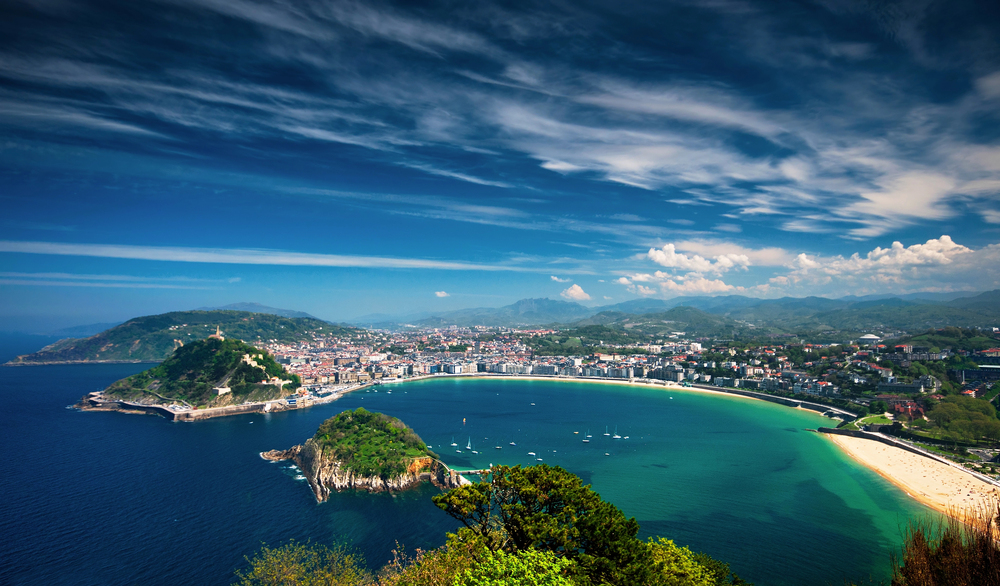
San Sebastián, or Donostia, is renowned for its picturesque beaches and world-class gastronomy.
The city’s beautiful coastline, with iconic beaches like La Concha and Zurriola, provides both relaxation and water activities.
-
Culinary Excellence
San Sebastián is particularly famous for its pintxos, small tapas-style dishes.
The city boasts numerous Michelin-starred restaurants, making it a culinary paradise. Food festivals also celebrate this culinary heritage, drawing food enthusiasts from around the globe.
-
Festivals and Events
Various festivals throughout the year, including the San Sebastián Day, showcase the city’s deep-rooted culture through music, dance, and local traditions, immersing visitors in the vibrant Basque culture.
Vitoria-Gasteiz: Green City Initiatives
Vitoria-Gasteiz, the capital of the Basque Country Spain, stands out for its commitment to sustainability and green initiatives.
Recognised as a European Green Capital, the city integrates nature within its urban fabric.
-
Urban Green Spaces
The city’s parks and green belts are ideal for walking and cycling, enhancing the quality of life for residents and visitors.
The Salburua wetlands, located on the city’s outskirts, offer a unique natural habitat for birds and other wildlife.
-
Architectural Highlights
Vitoria-Gasteiz is also enriched with historical architecture, including its well-preserved old town, which features charming plazas and ancient buildings that narrate the city’s history.
Population and Society
The population and society of the Basque Country are characterised by a rich diversity.
This region showcases unique demographic trends, educational advancements, and vibrant social dynamics that contribute to its overall cultural fabric.
Demographic Trends
The Basque Country Spain has an approximate population of 2.1 million inhabitants.
Its demographic distribution is notably concentrated in urban areas, particularly in the metropolitan regions of Bilbao, San Sebastián, and Vitoria-Gasteiz.
The population density varies significantly, with urban centres hosting the majority of residents while the rural areas exhibit lower densities.
In recent years, demographic changes have been influenced by various factors including migration, birth rates, and ageing populations.
The region has experienced an increase in the number of expatriates and immigrants, which has added to the cultural mosaic, enriching local customs and traditions.
Education Systems
The educational framework in the Basque Country is well-established, characterised by high standards and a commitment to bilingual education.
The region boasts several universities, including the University of the Basque Country, which offers diverse courses in both Basque and Spanish.
This bilingual approach has helped to promote the Basque language while ensuring that students are proficient in Spanish, preparing them for a globalised world.
Schools are equipped to teach students not only academics but also the rich heritage, fostering a sense of identity among the youth.
- Primary Education: Focuses on early language acquisition and cultural teachings.
- Secondary Education: Provides vocational training alongside academic subjects.
- Higher Education: Offers a range of specialisations catering to both local and international students.
Frequently Asked Questions
This section addresses common queries regarding the Basque Country, highlighting its location, the influence of nationalism, and popular tourist attractions.
Where is the Basque Country in Spain?
The Basque Country is located in the northern part of Spain, bordering the Atlantic Ocean to the north. It comprises three provinces: Álava, Bizkaia, and Gipuzkoa.
Each province exhibits distinct geographical features and contributes to the overall cultural tapestry of the region. Álava, for instance, is landlocked and predominantly rural, while Bizkaia includes the bustling city of Bilbao, known for its industrial and cultural significance.
Gipuzkoa, with its coastal landscapes and picturesque beaches, is famous for San Sebastián.
Situated next to France, the Basque Country Spain also straddles the border, encompassing areas that share cultural and historical ties.
This strategic location has facilitated a unique blend of influences, enhancing its cultural heritage.
What Are the Main Attractions for Tourists?
-
Bilbao
Bilbao is a vibrant city known for its blend of modern and traditional architecture.
The Guggenheim Museum is a pivotal attraction, celebrated for its innovative design and contemporary art collections.
The city’s old town, known as Casco Viejo, offers a charming atmosphere with narrow streets, local shops, and eateries serving delicious Basque cuisine.
-
San Sebastián
San Sebastián is renowned for its stunning beaches, particularly La Concha, and its gastronomic reputation, with numerous pintxos bars lining the streets.
The annual film festival attracts international attention, showcasing the city as a cultural hub.
-
Vitoria-Gasteiz
As the capital of the Basque Country Spain, Vitoria-Gasteiz is notable for its sustainability initiatives and green spaces.
The medieval old town is rich in history, featuring well-preserved architecture and a range of museums that reflect the region’s heritage.
-
Cultural Festivals
Various festivals throughout the year celebrate Basque culture, including the Semana Grande in Bilbao and the Tamborrada in San Sebastián.
These events offer glimpses into the region’s traditions, music, and vibrant community spirit.
The Basque Country’s diverse attractions, from its gastronomic delights to its historical depth, make it an appealing destination for a wide range of tourists.
Yours Free
Please click / tap on the image below:
If you would like to read about other important points for living / moving to Spain, here are other useful articles we wrote: