Soria Spain, located in the heart of Spain, is a province known for its rich history and cultural heritage.
It offers a unique blend of ancient traditions and modern influences, attracting those interested in exploring lesser-known destinations.
The province is renowned for its stunning architecture, from medieval walls to Romanesque churches.
Soria Spain also boasts beautiful natural landscapes, making it an ideal place for both cultural and outdoor adventures.
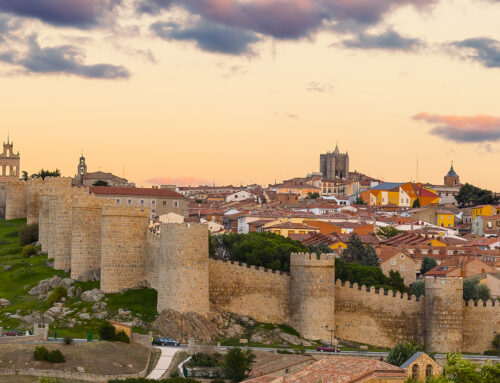
In the same region, the city of Ávila Spain stands out for its extraordinary medieval wall, considered one of the best preserved in Europe.

Before we start… Yours Free
Spain 101 is a free ebook full of unique tips that will save you thousands of Euros when moving to / living in Spain.
Would you like to get it now?
Please click / tap on the image below:

Discovering Soria Spain and Its Rich History
Soria is a region steeped in historical significance, offering a glimpse into ancient civilisations and the evolution of culture through the ages.
Its rich past has shaped the province into a unique destination in Spain.
The city of Valladolid Spain also plays a key role in regional history, with an important political and cultural legacy.
Ancient Beginnings and the Celtiberians
The story of Soria Spain begins with the Celtiberians, a group of ancient tribes that inhabited the area around the 4th century BC.
This region was pivotal for its strategic location between various cultures and has seen the influences of different peoples over centuries.
Excavations have uncovered numerous artefacts, including tools and pottery, which provide insight into their way of life.
Medieval Significance and the Kingdom of Castile
During the Middle Ages, Soria became an essential part of the Kingdom of Castile.
Its geographical importance promoted trade and military endeavours.
In this period, Soria Spain developed into a fortified town, marked by the construction of imposing walls and castles to protect its inhabitants from invasions.
The 11th century saw Soria reach its peak, thriving as a centre of commerce and culture.
Key Events in the Medieval Era
- The repopulation under Alfonso I, showing the importance of Soria Spain in the territorial conquests.
- Involvement in significant battles, such as the Battle of Alarcos, reflecting the region’s turbulent history.
- Integration into the expanding Kingdom of Castile, solidifying its political relevance.
Modern Soria: Transition and Growth
With the passage of time, Soria faced a series of challenges that transformed its landscape.
The decline in population began in the late 15th century due to various socio-economic factors, leading to a shift from a prosperous medieval town to a quieter provincial capital.
However, through modernisation and focused efforts in tourism, Soria Spain is undergoing a revival, drawing attention to its historical and cultural heritage.
Key initiatives have been implemented to celebrate Soria’s rich history, attracting visitors eager to explore its medieval roots and unique stories.
The balance of preserving its past while embracing the future signifies a dynamic growth story in the heart of Spain.
Exploring Soria’s Architectural Heritage
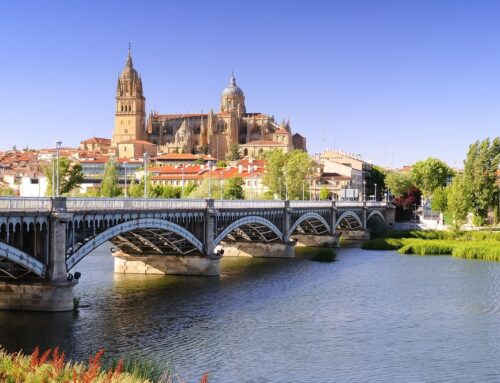
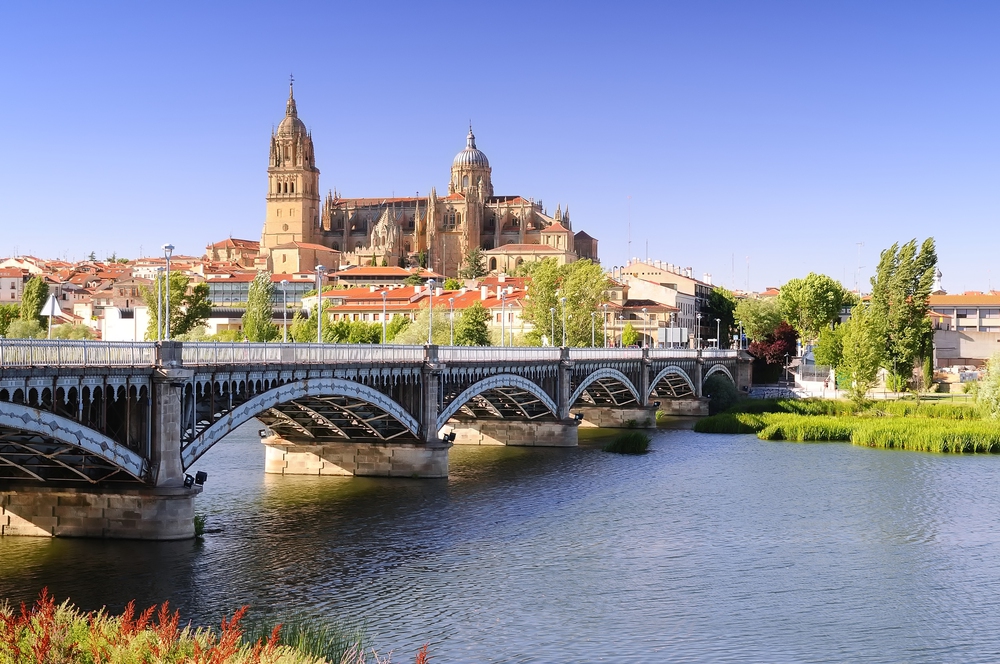
Rich in history and diverse in styles, Soria’s architectural heritage provides a fascinating glimpse into the past, as every city in the region of Castilla y León, including Salamanca Spain.
The province boasts a range of structures that chronicle its evolution from ancient times through the medieval period and beyond.
Medieval Walls and Fortresses
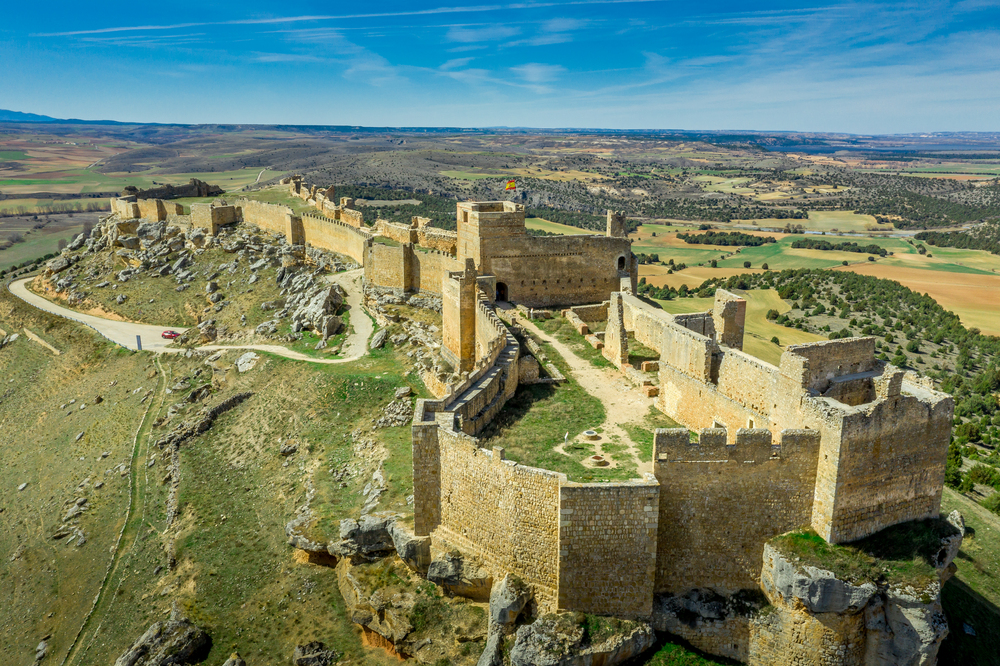
The medieval walls of Soria Spain are a testament to the city’s defensive needs during turbulent times.
These formidable structures once encircled the city, showcasing impressive architectural techniques.
Among the most notable features are:
- The Main Gate (Puerta de San Andrés): An iconic symbol of Soria, this gate reflects the medieval defensive strategies employed.
- Defensive Towers: Various towers punctuate the walls, offering vantage points for surveillance and protection.
- Historical Significance: The walls served as a refuge during battles, including conflicts such as the War of the Spanish Succession.
These remnants are not only visually striking but also serve as a reminder of Soria’s rich military history.
Numancia: A Symbol of Resistance
Numancia, an ancient Celtiberian settlement near Soria Spain, holds significance as a symbol of resistance against Roman conquest. The archaeological site offers an extraordinary insight into early inhabitant life, featuring:
- Well-Preserved Ruins: Excavations have revealed structures, fortifications, and dwelling places that showcase the settlement’s layout.
- Cultural Artifacts: Numerous findings, including pottery and tools, provide a glimpse into the daily lives of the Numantines.
- Historical Legacy: The siege of Numancia has been immortalised in literature as an enduring lesson in courage and virtue.
This site continues to attract historians and visitors, further highlighting Soria’s importance in the broader context of Spanish history.
Romanesque Churches and their Historical Importance
Soria Spain is home to numerous Romanesque churches, each reflecting the artistic and architectural sensibilities of the time. These sacred buildings are characterised by their sturdy construction, decorative elements, and intricate carvings. Noteworthy churches include:
- Church of San Esteban: Renowned for its exquisite stonework and detailed capitals.
- Church of San Juan Bautista: Features a beautifully preserved facade that showcases the craftsmanship of the era.
- Cultural Significance: The churches represent a fusion of spiritual and community life in medieval Soria.
These architectural gems not only serve as places of worship but also as cultural landmarks that tell the story of Soria’s historical journey.
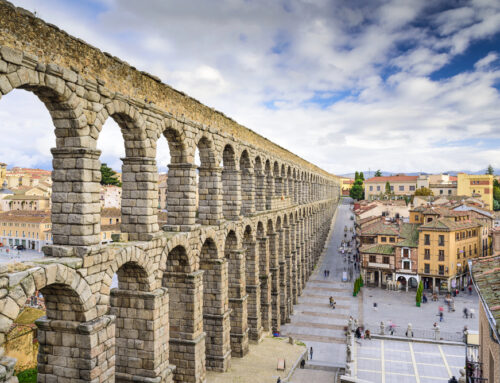
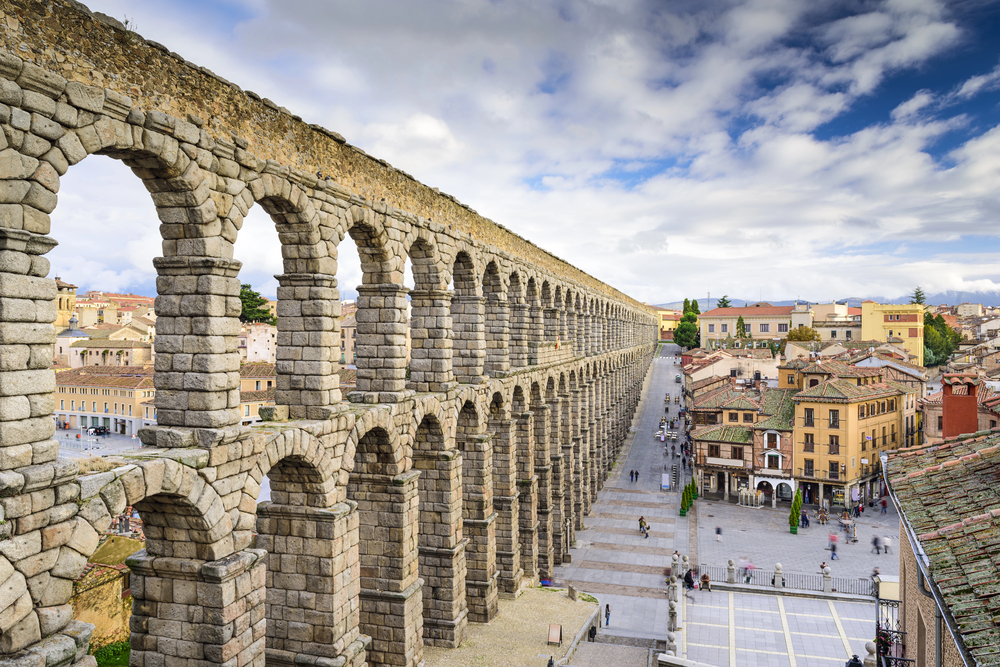
When you visit Segovia Spain, you will be able to the see the spectacular Roman Aqueduct.
Cultural Influences and Traditions in Soria
Soria is rich in cultural influences and traditions that have shaped its identity over the centuries.
From literary connections to vibrant festivities, the essence of the region is vibrantly preserved through these cultural elements.
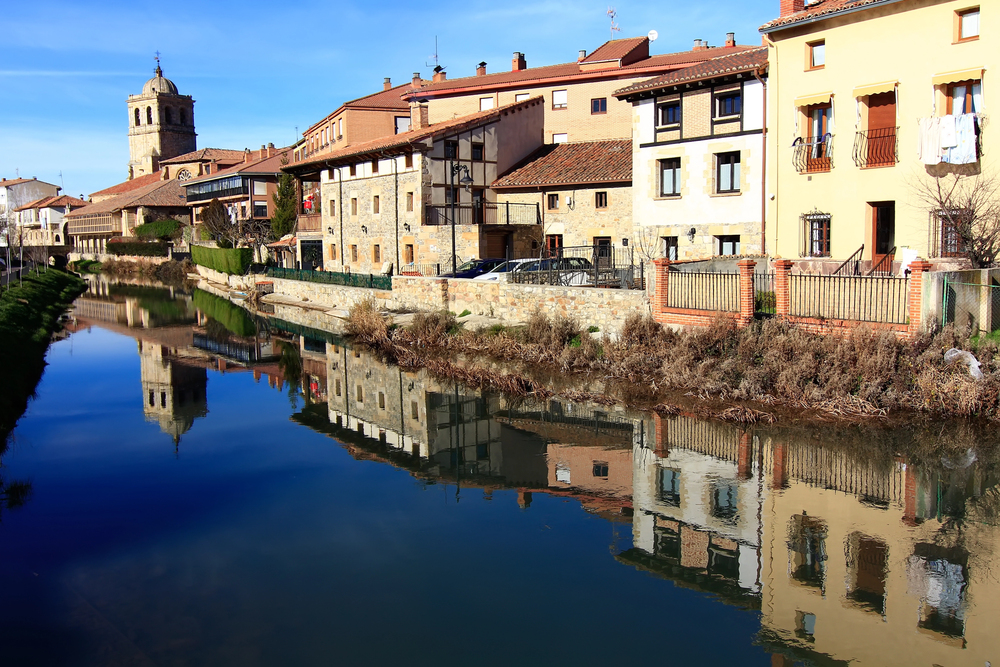
Within this same regional framework, the city of Palencia Spain also keeps its cultural traditions alive, especially through its popular celebrations and historical heritage.
Literary Ties: Antonio Machado and His Legacy
One of Soria’s most prominent cultural figures is the poet Antonio Machado.
His time in Soria Spain left an indelible mark on both the region and Spanish literature.
The landscapes and traditions of Soria inspired much of his poetry, particularly in his renowned work, ‘Campos de Castilla’.
The poet’s feelings of nostalgia and reflection resonate throughout his verses, capturing the essence of a landscape filled with historical and emotional depth.
Local residents often celebrate Machado’s contributions through various cultural events, fostering a deep appreciation for his legacy.
Celebrations and Festivities: San Juan and Beyond
Festivals play a significant role in Soria’s cultural landscape.
One of the most notable celebrations is the San Juan festival, which takes place in the village of San Pedro Manrique.
This unique festival features traditional rituals, including firewalking, which attracts both locals and visitors alike.
- San Juan festival: A lively celebration marked by firewalking and communal activities.
- Traditional Processions: Throughout the year, there are various processions that reflect the deep religious roots of the community.
- Local Fairs: These fairs offer a window into regional crafts and gastronomy, showcasing Soria’s agricultural richness.
These festivities enrich the social fabric of Soria Spain, bringing together diverse generations to celebrate their shared heritage.

Connection Between Gastronomy and Culture
The culinary traditions of Soria are closely linked to its cultural identity.
Local cuisine relies on high-quality, fresh ingredients sourced from the region.
Signature dishes like torrezno and patatas a la importancia highlight the agricultural bounty of Soria.
Food festivals further amplify this connection, as they showcase traditional recipes and cooking techniques that have been passed down through generations.
The region’s gastronomy not only nourishes the body but also enriches cultural experiences, fostering a sense of community among residents.
Navigating Soria: Maps and Travel Connections
Understanding how to navigate through Soria Spain is essential for experiencing its diverse offerings.
From geographical highlights to transport options, this section details the key aspects of travelling within and to this historic region.
Soria on the Map: Location and Geographical Highlights
Soria is located in the eastern part of the autonomous community of Castilla Leon Spain, bordered by the provinces of Burgos, La Rioja, and Segovia.
Its unique geographical setting amidst the mountainous terrain of the Sistema Ibérico enhances the region’s natural beauty.
At an altitude of approximately 1,065 metres, Soria Spain is the second-highest provincial capital in Spain.
The province is characterised by vast, open landscapes, lush river valleys, and numerous parks, making it an ideal destination for nature enthusiasts.
Transportation Links: Getting to and from Soria
Soria may not be the most connected city regarding high-speed train services, but it offers several alternatives for visitors wishing to explore.
There is around 300km between Leon Spain and Soria.
A bit further, 3.5 hours away driving, you can get to Zamora Spain.
The city is accessible by road, with several major highways connecting it to other significant urban areas.
- By Car: The A-2 and A-11 highways provide efficient access to Soria from cities like Madrid and Zaragoza.
- By Bus: Several bus companies operate routes connecting Soria Spain with surrounding cities, making it an affordable travel option.
- Rail Links: While Soria has limited rail services, nearby cities like Logroño and Cuéllar offer connections to the broader rail network.
Exploring the Natural Surroundings of the Duero River
The Duero River, one of the longest rivers in the Iberian Peninsula, flows through Soria Spain, offering picturesque scenery and recreational opportunities.
The riverbanks provide excellent spots for hiking and cycling, allowing visitors to immerse themselves in the stunning landscapes.
Additionally, areas along the river are home to diverse flora and fauna, perfect for nature walks and birdwatching.
The natural beauty surrounding Soria Spain not only enhances its charm but also serves as an invitation for exploration and outdoor activities.
Soria’s Weather and Best Times to Visit
Soria experiences a continental climate, characterised by hot summers and cold winters.
Understanding the seasonal variations helps in planning the best time to explore this beautiful province.
Seasonal Weather Patterns
Throughout the year, Soria Spain showcases a range of weather conditions.
Each season offers a unique backdrop for both locals and visitors.
-
Spring
Spring in Soria is typically mild, with temperatures ranging from 10°C to 20°C.
The region bursts into colour with blooming flowers and has a refreshing atmosphere, making it ideal for outdoor activities and sightseeing.
-
Summer
During summer, Soria Spain can experience warm to hot weather, often reaching highs of 30°C.
This is the peak tourist season, ideal for festivals and enjoying the surrounding nature, especially near the Duero River.
-
Autumn
Autumn brings mild temperatures and a stunning array of autumnal colours.
Daytime temperatures hover around 15°C to 25°C, with cooler nights.
It is an excellent time for hiking and exploring the picturesque landscapes.
-
Winter
Winters can be quite harsh, with temperatures often dropping below 0°C. Snow is not uncommon, particularly in higher elevations.
The cold weather provides a different charm, perfect for those who enjoy a quieter atmosphere.
Yours Free
Spain 101 is a free ebook full of unique tips that will save you thousands of Euros when moving to / living in Spain.
Would you like to get it now?
Please click / tap on the image below:
Advice for Travellers: What to Expect Year-round
When visiting Soria, it is advisable to be prepared for variable weather.
Layered clothing is suggested, especially during spring and autumn when temperatures can change rapidly.
- Winter visitors should ensure they have warm clothing for outdoor explorations.
- Summer brings opportunities for sun-soaked days; sun protection is recommended.
- Spring and autumn are ideal for hiking, so sturdy footwear and comfortable attire are beneficial.
Overall, the best time to visit Soria is during the spring and autumn months when the climate is pleasant for various activities and the scenery is at its most exquisite.
Accommodation Options: Where to Stay in Soria
Visitors to Soria will find a range of accommodation options that cater to various tastes and budgets, from traditional hotels to unique stays that highlight the local culture.
Hotels in Soria: From Traditional to Modern
The hotel scene in Soria Spain offers a diverse selection, blending modern conveniences with traditional charm.
Travellers can choose from:
-
Traditional Hotels
Many traditional hotels are housed in historic buildings, providing an authentic experience.
Guests can admire architectural features while enjoying comfortably furnished rooms.
-
Modern Accommodations
For those who prefer contemporary aesthetics, Soria has several modern hotels equipped with all necessary amenities.
These establishments typically feature stylish decor and cutting-edge facilities.
Local Hospitality: Unique Stays in the Province
Soria also offers unique accommodation options that showcase the local way of life.
Opportunities to stay in:
-
Rural Guesthouses
Set in picturesque villages, these guesthouses provide a tranquil retreat surrounded by the natural beauty of Soria’s landscapes. They often serve local cuisine, enhancing the cultural experience.
-
Boutique Hotels
Boutique hotels offer personalised services and distinctive decor. Many focus on creating a character that reflects the local heritage, providing guests with an immersive experience.
Experiencing the Old Town Charm
Staying in the Old Town grants easy access to Soria’s historical sites, charming streets, and vibrant atmosphere.
Options include:
-
Historic Inns
These inns, often family-run, provide a warm and welcoming atmosphere, making them ideal for a more intimate stay.
-
Self-Catering Apartments
For those seeking more independence, self-catering apartments offer the flexibility to enjoy local markets and prepare meals.
This option is perfect for families or groups.
Economy and Daily Life in Soria Today
The economy and daily life in Soria are shaped by a blend of historical influences and modern challenges.
Recent years have seen significant shifts as the region adapts to changing economic landscapes.
Economic Transition: From Agriculture to Tourism
Traditionally, Soria’s economy has been closely linked to agriculture, particularly cereal production.
However, a gradual transition towards tourism is evident, as the province seeks to leverage its rich historical and cultural assets.
- Agricultural roots remain strong, with crops like wheat and barley being cultivated extensively.
- The promotion of local food products has started to attract tourism, particularly among those interested in gastronomic experiences.
- Eco-tourism is being developed, focusing on Soria’s abundant natural resources and hiking trails.
Challenges and Opportunities: Population and Employment Trends
Soria Spain faces significant challenges, particularly concerning population decline.
Many young people migrate to larger cities in search of employment opportunities.
- Keeping the local population engaged calls for innovative job creation and training initiatives.
- Efforts to promote local businesses are underway, aiming to stimulate the economy and encourage entrepreneurship.
- Community initiatives focus on retaining younger generations by improving quality of life and employment prospects.
Promoting Sustainable Tourism
With an eye towards sustainability, local authorities are encouraging responsible tourism practices.
This approach not only protects Soria’s environment but also showcases its unique cultural heritage.
- Initiatives include adopting eco-friendly travel options that minimise environmental impact.
- The region promotes its local traditions, aiming to provide an authentic experience for visitors.
- Collaborations between local businesses and tourism boards are designed to create a cohesive strategy for sustainable development.
Yours Free
Spain 101 is a free ebook full of unique tips that will save you thousands of Euros when moving to / living in Spain.
Would you like to get it now?
Please click / tap on the image below:
If you would like to read about other important points for living / moving to Spain, here are other useful articles we wrote: