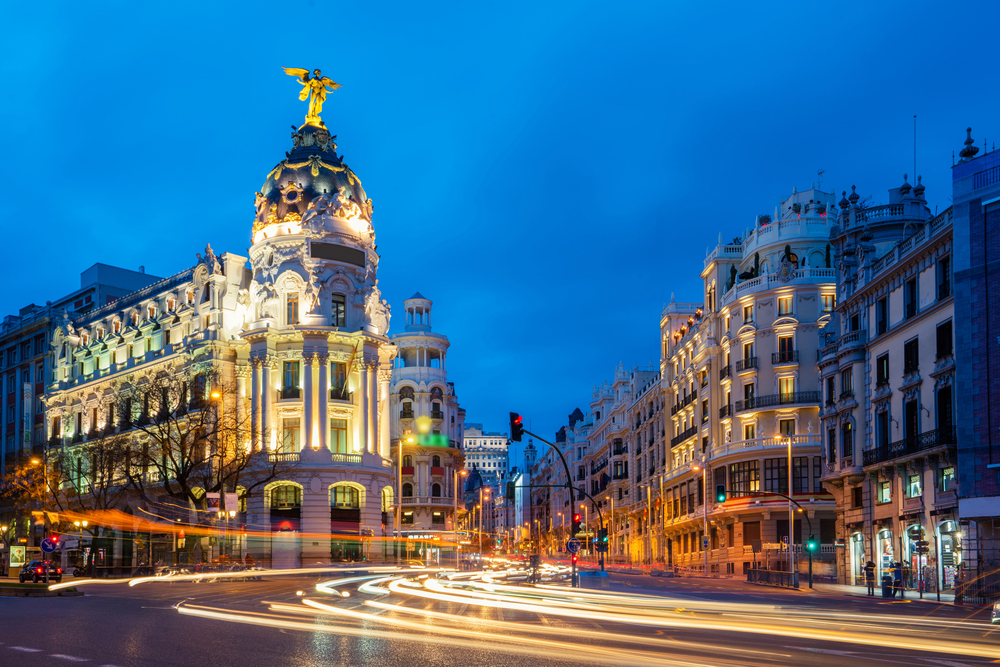
Madrid Spain is the vibrant capital of Spain, known for its rich history and cultural significance.
The city combines traditional charm with modern influences, making it a fascinating destination for both locals and visitors.
With a diverse population and a dynamic atmosphere, Madrid offers a wide range of experiences, from art and architecture to cuisine and nightlife.
The role of Madrid Spain in its political and economic centre further enhances its importance on the international stage.

Before we start… Yours Free
Please click / tap on the image below:

History of Madrid Spain
The history of Madrid is a rich tapestry woven with cultural, political, and social threads that date back centuries.
From its humble beginnings as a Moorish settlement to its rise as a major European capital, the evolution of Madrid reflects broader historical trends in Spain and Europe.
Medieval Origins
Madrid’s origins can be traced back to the 9th century when it was established as a fortress by the Moors.
Known as “Magerit,” the initial purpose of this settlement was to protect the region from Christian incursions.
The geographical advantages of the area—surrounded by rivers and hills—made it an ideal location for a defensive stronghold.
During the 11th century, Madrid Spain was integrated into the Kingdom of Castile.
This period was marked by a gradual transformation, where the population began to thrive, and the settlement evolved into a small town.
Significant developments occurred under the rule of Alfonso VI, who recognised the strategic importance of Madrid, setting the stage for its future prominence.
Madrid as the Capital
The designation of Madrid Spain as the capital of Spain in 1561 by King Philip II marked a pivotal moment in its history.
This decision was driven by Madrid’s central location within the Iberian Peninsula, facilitating governance over the expansive territories of the Spanish Empire.
The following centuries were characterised by monumental growth and urban development.
The construction of significant structures, including the Royal Palace and numerous churches, transformed the cityscape.
During the Spanish Golden Age, Madrid Spain emerged as a cultural and political centre, attracting artists, writers, and intellectuals from across Europe.
Madrid in the Modern Era
The 19th century brought substantial change as Madrid evolved into a modern city.
The industrial revolution catalysed economic growth and urbanisation.
This period also saw the establishment of foundational infrastructures, such as railroads, which enhanced connectivity to other regions in Spain.
However, Madrid’s modern history is also marked by conflict.
The Spanish Civil War (1936-1939) left lasting scars, with the city experiencing severe devastation.
Following the war, under Franco’s dictatorship, Madrid Spain struggled with repression yet managed to retain a cultural vibrancy that eventually re-emerged in the post-Franco era.
Recent Developments
Transitioning to democracy in the late 20th century, Madrid Spain embraced reform and revitalisation.
The city has since flourished as a cosmopolitan hub, with continued investment in cultural institutions, urban development, and international diplomacy.
Modern Madrid Spain stands as a testament to resilience, blending its historical legacy with progressive ambitions.
Today, it is renowned for its dynamic culture, diverse population, and as a central player in global affairs.
The city’s historical evolution showcases a journey from a modest fortress to one of Europe’s most influential capitals.
Geography and Climate
The geography and climate of Madrid Spain play an essential role in shaping the city’s lifestyle, culture, and attractiveness to tourists.
Located in the heart of Spain, it features a diverse landscape and distinct weather patterns that contribute to its unique character.
Location and Topography
Madrid is positioned centrally within the Iberian Peninsula, making it one of the highest capital cities in Europe, sitting at an altitude of 646 metres above sea level.
This elevated location provides the city with a remarkable topography, characterised by vast plains interspersed with rolling hills.
The Sierra de Guadarrama mountain range lies to the northwest, providing a stunning backdrop and influencing local weather conditions.
The urban layout of Madrid Spain is both modern and historical, with a mix of wide avenues, parks, and historic squares.
The River Manzanares flows through the city, adding to its scenic beauty and offering recreational opportunities along its banks.
The city’s layout encourages outdoor activities, while its parks, such as the renowned Retiro Park, provide green spaces for relaxation and leisure.
Weather Patterns in Madrid
Madrid experiences a Mediterranean continental climate, characterised by hot summers and cold winters.
The city enjoys plenty of sunshine throughout the year, with an average of 2,900 hours of sunlight annually.
Rainfall is limited, leading to dry spells, particularly in the summer months.
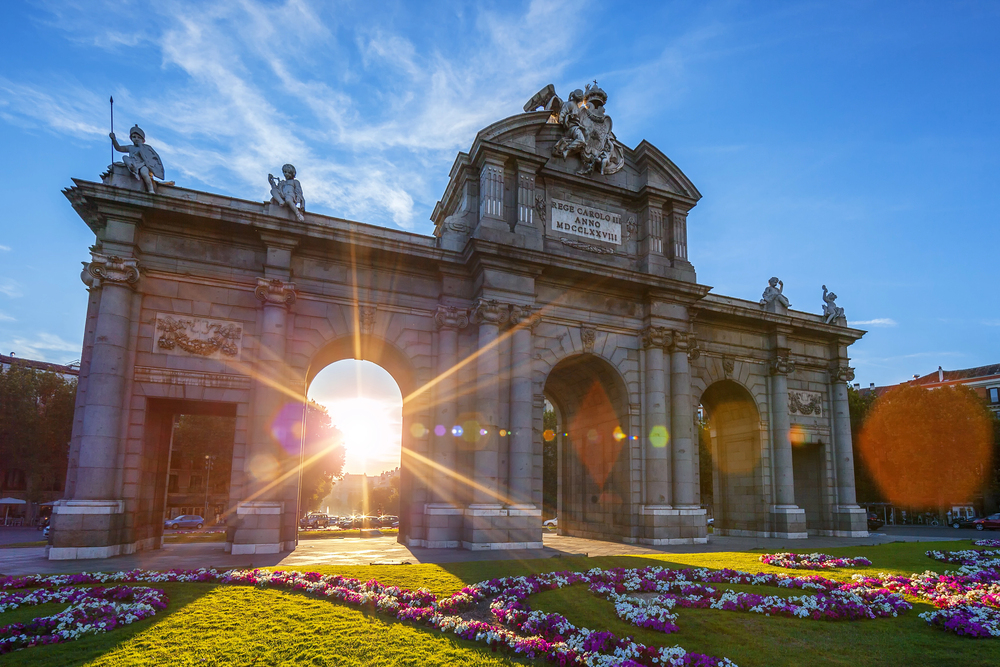
Seasonal Climate Variations
In summer, temperatures in Madrid Spain can rise significantly, often exceeding 35 degrees Celsius (95 degrees Fahrenheit) in July and August.
The heat can be intense, particularly during midday hours.
Winter, on the other hand, sees much cooler temperatures, frequently dropping below freezing at night.
January is typically the coldest month, with average lows around 2 degrees Celsius (36 degrees Fahrenheit).
Spring and autumn are mild and pleasant, making them ideal seasons for outdoor exploration.
In spring, blooming flowers and invigorating temperatures attract both locals and visitors who wish to enjoy the city parks and gardens.
Conversely, autumn offers a tapestry of warm hues as leaves change colour, alongside comfortably cool temperatures ideally suited for walking tours.
Impact on Tourism
The distinct climate and seasons have a profound impact on tourism in Madrid Spain.
The summer heat attracts visitors eager to enjoy the city’s vibrant atmosphere and outdoor festivals.
Popular attractions, such as the Royal Palace and various museums, see high footfall during this season.
During spring and autumn, their temperate weather draws a different crowd, often comprising individuals keen on cultural activities like theatre, concerts, and guided tours, taking advantage of comfortable temperatures.
Winter visitors enjoy festive celebrations, including Christmas market experiences, showcasing local traditions and crafts.
Understanding the geography and climate of Madrid enables both residents and tourists to appreciate the factors that contribute to its dynamic and inviting charm.
Each season presents a unique opportunity to explore the city in various ways, enhancing the overall experience of this vibrant capital.
Government and Administration
The governance of Madrid Spain is a complex structure that plays a vital role in the administration of both the city and the wider region of Spain.
It encompasses various layers of government responsible for ensuring the efficient running of the capital and the development of public policies.
Role in Spain
As the capital of Spain, Madrid Spain serves not only as the political heart of the nation but also as a key economic and cultural hub.
It is the focal point for national government activities, housing crucial institutions such as the Parliament, the Presidency, and various ministries.
The political decisions made within Madrid have a significant impact on the capital’s residents and the entire country.
The city plays an influential role in shaping national legislation.
Its position as the administrative centre allows for a direct influence on policies regarding economic development, social welfare, and urban planning.
Madrid’s vibrancy reflects its integral role in Spain’s growth and evolution.
Local Government Structure
The local government in Madrid Spain operates through a well-defined structure that promotes efficient administration.
The city is governed by a mayor and a city council, which work together to implement local policies and services.
City Council Functions
The City Council of Madrid is responsible for numerous functions essential to the citizens.
This includes:
- Urban planning and development
- Public transportation and infrastructure maintenance
- Social services including education and healthcare
- Cultural promotion and support for local events
- Environmental policies and sustainability initiatives
Additionally, the council attends to the needs of diverse communities within the city, working to ensure equality and accessibility for all residents.
Administrative Subdivisions
To manage its large population effectively, Madrid Spain is divided into 21 distinct districts.
Each district operates under its local governing body, which reports to the City Council, facilitating tailored governance that considers local needs.
The administrative subdivisions include:
- Centro – the historical and cultural heart of the city
- Salamanca – known for its upscale residential areas
- Malasaña – a vibrant neighbourhood famous for its nightlife
- Carabanchel – a working-class district with rich cultural diversity
Each district showcases unique features and challenges, contributing to the overall character of Madrid.
The decentralised approach allows for more effective governance and local engagement, enabling communities to address their specific requirements and aspirations.
Economy and Industry
The economy of Madrid is one of the most dynamic within Europe, characterised by a strong service sector and diverse industrial contributions.
This capital city has transformed over the years, evolving from a primarily agrarian base to a bustling metropolis with a robust economic infrastructure.
Historical Economic Background
Historically, the economy of Madrid has seen significant changes.
In the early stages of its development, the city was largely reliant on agriculture and local crafts.
However, the designation of Madrid as the capital of Spain in the 16th century significantly boosted its economic importance.
The capital status attracted investments, administrative functions, and a migration influx that fostered growth in commerce and industry.
During the Industrial Revolution, Madrid Spain experienced an economic shift with increased industrial activities, particularly in textiles and manufacturing.
The late 19th and early 20th centuries saw the establishment of several key industries, setting the stage for the city’s modern economic landscape.
Yours Free
Please click / tap on the image below:
Current Economic Landscape
Today, Madrid Spain is a vital economic engine not only for Spain but also for Europe.
The city has successfully modernised its economy, making it appealing for investment and entrepreneurship.
The current economic environment is characterised by various sectors that contribute significantly to its GDP.
Service Sector
The service sector is the backbone of Madrid’s economy, comprising around 80% of the total GDP.
The city is a hub for finance, commerce, and tourism, making it a crucial player in the global marketplace.
Key areas within the service sector include:
- Tourism: Madrid attracts millions of visitors each year, contributing to its economy through hospitality, cultural experiences, and recreational services.
- Financial Services: The financial district in Madrid houses numerous banks and international corporations, solidifying its position as a leading financial centre.
- Real Estate: The property market has flourished, with ongoing developments that cater to both residential and commercial needs, boosting local investments.
- Technology and Start-ups: A growing number of technology companies and start-ups are establishing their presence in the city, contributing to innovation and economic diversity.
Industrial Contributions
While the service sector dominates, the industrial sector remains an essential component of Madrid’s economy.
This includes:
- Manufacturing: This sector includes a wide range of industries from automobiles to pharmaceuticals, playing a vital rôle in both local and national economies.
- Food Production: Madrid Spain has a significant food and beverage industry, with numerous companies dedicated to both production and distribution.
- Technology Development: With an emphasis on innovation, the technology sector is experiencing robust growth, focusing on software development, digital solutions, and research.
- Construction: Infrastructure development continues to flourish, driven by both private investment and government initiatives, which further strengthens the economic landscape of the city.
Culture and Architecture
The vibrant culture and distinctive architecture of Madrid Spain showcase the city’s rich historical heritage and artistic evolution.
From stunning buildings reflecting various architectural styles to world-renowned museums, Madrid is a cultural treasure trove that attracts art and history enthusiasts alike.
Architectural Styles
Madrid’s landscape boasts an eclectic mix of architectural styles that narrate the city’s history.
Structures range from medieval fortifications to contemporary masterpieces.
The following styles can be prominently observed:
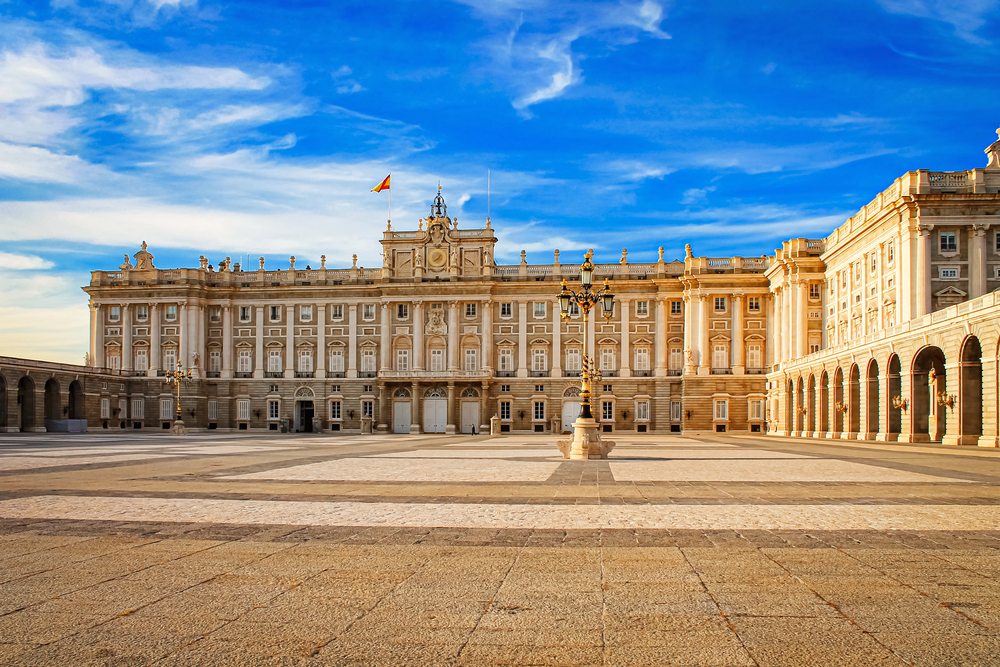
- Habsburg Architecture: The “Madrid de los Austrias” district features buildings from the Habsburg dynasty, showcasing baroque and plateresque styles, such as the Royal Palace.
- Neoclassicism: This style flourished in the 18th century, evident in key structures like the Banco de España and various city squares.
- Modern Architecture: The contemporary skyline displays bold designs, such as the Torres Blancas and the CaixaForum, demonstrating innovative approaches to urban design.
Museums and Art Galleries
Madrid Spain is renowned for its exceptional cultural institutions, housing vast collections of artistic masterpieces.
The city’s museums offer insights into various art movements, from classic to modern.
Some of the foremost institutions include:
The Prado Museum
The Prado Museum stands as one of the most significant art galleries globally, showcasing an impressive assortment of European art.
The collection boasts works by masters such as Diego Velázquez, Francisco Goya, and Peter Paul Rubens.
Visitors can explore the extensive exhibits that capture the evolution of art from the 12th to the early 20th century.
Notably, the museum offers guided tours and educational programs, enhancing the visitor experience.
Other Notable Institutions
- Reina Sofía Museum: Home to Picasso’s iconic “Guernica,” this museum focuses on Spanish contemporary art, featuring works from artists like Salvador Dalí and Joan Miró.
- Thyssen-Bornemisza Museum: This museum complements the collections of the Prado and Reina Sofía, housing a diverse array of paintings from the 13th to the late 20th century, showcasing European art movements.
- National Museum of Decorative Arts: A hidden gem, this museum displays exquisite collections of decorative arts, ranging from ceramics to furniture, revealing the craftsmanship of different eras.
Festivals and Traditions
Cultural celebrations in Madrid Spain reflect the city’s rich heritage, with a lively array of festivals taking place throughout the year.
These festivals not only honour local traditions but also promote community spirit and artistic expression.
- San Isidro Festival: Celebrated in May, this festival pays tribute to the patron saint of Madrid. It includes traditional music, dance, and food, culminating in an outdoor procession.
- La Paloma Festival: This August event is marked by street festivities, concerts, and a vibrant atmosphere, honouring another local saint, with the city coming alive.
- Madrid Carnival: This lively event is celebrated with parades, colourful costumes, and elaborate performances, attracting thousands to the streets each February.
Education and Academic Institutions
Madrid Spain boasts a vibrant educational landscape that accommodates a diverse array of academic pursuits.
It is home to numerous prestigious universities and business schools, which attract both local and international students.
Universities and Higher Education
The higher education system in Madrid is characterised by its variety of institutions offering a wide range of programmes.
The city hosts some of the most renowned universities in Spain.
-
Complutense University of Madrid
Established in 1499, Complutense University is one of the oldest universities in the world.
It offers a wide range of undergraduate and postgraduate programmes across various disciplines, including humanities, sciences, and health sciences.
Its historical significance and comprehensive academic offerings make it a central player in Spanish education.
-
Polytechnic University of Madrid
Known for its engineering and technological programmes, the Polytechnic University of Madrid is a leading institution that focuses on innovation and research.
It plays a crucial role in developing the next generation of engineers and architects, fostering practical skills alongside theoretical knowledge.
-
University of Madrid
This institution offers a diverse array of programmes and is known for its research output.
With various campuses spread throughout the city, it provides students with access to pertinent resources and academic expertise.
Business Schools
Madrid Spain is also recognised for its high-quality business education.
Several prestigious business schools are located in the city, attracting students who aspire to excel in the global business environment.
-
IE Business School
IE Business School is internationally acclaimed for its innovative approach to business education.
Known for its strong emphasis on entrepreneurship and leadership, it offers a variety of programmes, including MBAs and executive education courses.
-
ESADE Business School
ESADE has a solid reputation for its multidisciplinary curriculum and ties to business networks.
It is not only a hub for aspiring business leaders but also a place where creativity and critical thinking are encouraged.
-
Universidad Pontificia Comillas
This institution is known for its rigorous academic standards and strong ties to the business community.
Comillas offers diverse programmes tailored to meet the needs of contemporary businesses, focusing on ethics and social responsibility in their teaching.
Transportation in Madrid
The transportation system in Madrid is extensive and well-developed, providing various options for both residents and visitors to navigate the city efficiently.
The public transport network is complemented by a range of road and rail services, ensuring that travel is convenient and accessible.
Public Transport System
The public transport in Madrid is characterised by its reliability and coverage, making it one of the best systems in Europe.
Metro and Buses
The Madrid Metro is the backbone of the city’s public transport system.
With over 300 kilometres of track, it comprises numerous lines that connect key areas, suburbs, and the airport.
The metro system operates from early morning until midnight, with extended hours on weekends.
It features modern trains and is renowned for its frequency, ensuring that passengers experience minimal wait times.
In addition to the metro, Madrid has an extensive bus network that further enhances public transport connectivity.
The network includes more than 200 bus lines, covering the city comprehensively.
Buses run regularly, providing vital links to areas not serviced by the metro, and are equipped with real-time information systems to assist passengers.
Road and Railway Networks
Madrid boasts a well-structured road system that facilitates easy movement across the city and its surroundings.
The major arteries include the M-30 and M-40 circular roads, which help manage traffic flow and reduce congestion in central areas.
There are also numerous avenues and thoroughfares that provide direct access to various districts.
Rail services extend beyond the city limits.
The main railway station, Madrid Atocha, is a hub for both local and international travel, connecting to high-speed trains that reach destinations like Barcelona and Seville within hours.
These train services contribute significantly to Madrid’s role as a transport hub in Spain.
International Connectivity
Transportation in Madrid also includes exceptional international connectivity.
The city’s main airport, Adolfo Suárez Madrid-Barajas Airport, is one of the busiest in Europe and offers a wide range of domestic and international flights.
The airport is conveniently linked to the city centre via metro and various bus services, making it easily accessible for travellers arriving by air.
Furthermore, Madrid’s status as a key European city means that its transport networks are designed to support not only local needs but also international business and tourism.
This connectivity enhances Madrid’s appeal as a destination for visitors from all over the world who seek to explore its rich culture and history.
International Relations
International relations play a significant role in Madrid, as the city serves as a pivotal hub for diplomacy, cooperation, and exchange between nations.
Diplomatic Presence
Madrid hosts numerous embassies and consulates from countries around the world, highlighting its importance as a diplomatic centre.
The Spanish Ministry of Foreign Affairs, located in the city, oversees Spain’s foreign relations and collaborates with various international agencies.
The diplomatic community in Madrid includes representatives from both European Union nations and non-EU countries. This network enables Spain to engage in bilateral and multilateral discussions on various global issues, from trade to environmental policy.
- Embassies from major nations, including the United States, France, Germany, and China, showcase Madrid’s role in international diplomacy.
- Various consulates represent smaller nations, ensuring that even lesser-known countries have a presence in Spain’s capital.
Madrid also periodically hosts international summits and conferences, further establishing its reputation as a site for global dialogue and collaboration.
These events enable discussions that foster mutual understanding and cooperation among nations.
Global Alliances
As the capital of Spain, Madrid plays a crucial part in the country’s membership in various global organizations and alliances.
This involvement not only influences Spain’s foreign policy but also enhances Madrid’s stature on the international stage.
Spain is a member of several significant international organisations, including:
- The United Nations (UN), where Madrid supports initiatives aimed at promoting peace and security.
- The North Atlantic Treaty Organization (NATO), contributing to collective defence and security efforts.
- The European Union (EU), allowing Madrid to participate in the policy-making processes that affect the continent.
Furthermore, Madrid promotes cooperation through participation in regional alliances, such as the Unión Iberoamericana.
This cooperation fosters cultural exchange and economic collaboration among Latin American countries and Spain.
The city also engages in numerous bilateral agreements with various countries which focus on areas like trade, education, and cultural exchange.
These agreements strengthen international ties and encourage investment opportunities, benefiting not just Madrid but Spain as a whole.
Through its active diplomatic presence and global alliances, Madrid continues to shape international relations, fostering collaboration and understanding on a global scale.
Sports and Recreation
Madrid is a vibrant city that boasts a rich sporting culture.
With a wide range of sports and recreational activities, the capital caters to both athletes and fans alike. From football to basketball, Madrid offers diverse opportunities for sporting engagement.
Football Clubs
Football, or soccer as it’s known in some places, reigns supreme in Madrid.
The city is home to two of the most prestigious football clubs in the world, drawing fans from all corners of the globe.
-
Real Madrid
Founded in 1902, Real Madrid is one of the most successful football clubs in history.
With numerous La Liga and UEFA Champions League titles, the team plays its home matches at the iconic Santiago Bernabéu Stadium.
The club boasts a star-studded roster, including some of the best talents in the sport.
-
Atlético Madrid
Founded in 1903, Atlético Madrid has a rich history of its own.
Competing fiercely in La Liga and on the European stage, the club has established a strong fan base.
Their home ground, the Wanda Metropolitano Stadium, offers a modern venue for thrilling matches.
The fierce rivalry between these two clubs, known as “El Clásico,” electrifies the city.
Matches between Real Madrid and Atlético Madrid are not just sporting events; they are cultural spectacles that bring together passionate supporters.
Other Popular Sports
While football is the leading sport, Madrid hosts a variety of other sports that contribute to its dynamic athletic culture.
Each sport has its own dedicated following and facilities.
-
Basketball
Basketball is immensely popular in Madrid, with the city being home to clubs like Real Madrid Baloncesto.
The team competes at the highest level in both domestic and international leagues, regularly attracting large crowds to its games.
-
Tennis
Tennis enjoys significant popularity, particularly with the annual Madrid Open held at the Caja Mágica.
It is a crucial stop on the ATP and WTA tours, attracting top players from around the world.
-
Running and Cycling
For those who prefer individual sports, running and cycling are widely practised.
The city’s numerous parks and avenues provide excellent routes for recreational and competitive athletes alike.
Sporting Events in Madrid
Madrid hosts a calendar full of exciting sporting events that attract locals and visitors.
These events not only celebrate athletic accomplishments but also foster community spirit and pride.
-
LaLiga Matches
The completion of LaLiga each season brings thrilling matches from both Real Madrid and Atlético Madrid.
Fans eagerly await these fixtures which are sold out well in advance.
-
Madrid Open
As part of the ATP and WTA tours, the Madrid Open is a highlight in the tennis calendar.
It features both men’s and women’s competitions, showcasing top talent on clay courts.
-
Maratón de Madrid
The Madrid Marathon draws thousands of participants each year, offering a challenging course through the city’s beautiful streets.
This event promotes fitness and community involvement.
Sporting events in Madrid play an integral role in the city’s social fabric, bringing people together and creating an electric atmosphere.
The city’s love for sports is evident in the passion of its fans and the dedication of its athletes.
Gastronomy and Nightlife
The culinary landscape of Madrid Spain is an exciting blend of traditional Spanish fare and contemporary gastronomy.
The city’s vibrant nightlife complements its dining scene, making it a hub for socialising and culinary exploration.
Traditional Spanish Cuisine
Madrid’s cuisine is deeply rooted in its history and culture, showcasing a variety of regional dishes that reflect the rich culinary heritage of Spain.
Classic dishes are often enjoyed in local bars and restaurants.
- Cocido Madrileño: A hearty chickpea stew that includes a variety of meats and vegetables. It is a signature dish of the city, typically served in several courses.
- Tapas: Small plates that allow for sharing and sampling different flavours. Varieties include patatas bravas, croquetas, and gambas al ajillo.
- Churros con Chocolate: A beloved treat, these deep-fried dough pastries are typically enjoyed for breakfast or as a sweet snack, served with thick chocolate for dipping.
- Callos a la Madrileña: A traditional tripe dish prepared with chickpeas and seasoned with paprika, reflecting the rustic flavours of Madrid Spain.
Dining Experiences
Madrid offers a diverse range of dining experiences, catering to various tastes and preferences.
From fine dining establishments to casual eateries, the city is a gastronomic paradise.
- Michelin-Starred Restaurants: Several renowned chefs have made their mark in Madrid, offering innovative dishes that elevate traditional cuisine.
- Local Markets: Mercado de San Miguel is a famous food market where locals and tourists alike can sample a variety of fresh produce, gourmet tapas, and Spanish wines.
- Street Food: Food trucks and street vendors throughout Madrid provide quick, delicious options for those on the go, featuring everything from traditional snacks to international cuisine.
Vibrant Nightlife
The nightlife in Madrid is legendary, offering a wide array of options for entertainment after the sun goes down.
The city comes alive with a dynamic atmosphere that attracts both locals and visitors.
- Bars and Tapas: Many bars remain open late, serving tapas and drinks in a lively setting. Historic districts like La Latina and Malasaña are particularly famous for their bustling bar scenes.
- Clubs and Music Venues: Madrid boasts a vibrant club scene, featuring everything from electronic dance music to traditional Spanish flamenco performances.
- Flamenco Shows: The city’s cultural heritage is highlighted through flamenco performances, which can be enjoyed in intimate venues known as ‘tabernas,’ where passionate music and dance captivate audiences.
Notable Figures from Madrid
Madrid has been a nurturing ground for a plethora of distinguished personalities across various fields, enriching its cultural and social landscape.
From literary giants to artistic innovators and celebrated athletes, these figures have played a significant role in shaping both the city and its global reputation.
Literary Icons
The literary heritage of Madrid is profound, with numerous authors finding inspiration within its streets and vibrant culture.
The city has been home to a range of icons.
-
Miguel de Cervantes
Widely regarded as one of the greatest writers in the Spanish language, Cervantes is best known for his seminal work, “Don Quixote.” This landmark novel, often considered the first modern novel, captures the essence of human folly and ambition against the backdrop of 17th-century Spain.
-
Benito Pérez Galdós
Pérez Galdós is another pivotal figure, recognised for his novels that vividly portray Spanish society in the late 19th and early 20th centuries. His works explore themes of realism and social critique, influencing future generations of writers.
-
Javier Marías
A contemporary novelist and essayist, Marías has received international acclaim for his intricate narratives and philosophical musings. His contributions to literature have solidified his status as one of Spain’s literary luminaries.
Artists and Musicians
Madrid’s artistic scene is equally illustrious, with numerous painters and musicians leaving an indelible mark.
-
Francisco de Goya
As a prominent Spanish painter and printmaker, Goya’s works span various styles and periods.
His ability to blend realism with romanticism has made him a cornerstone of Spanish art.
Many of his masterpieces are housed in the Museo del Prado, further establishing the city’s artistic heritage.
-
Pablo Picasso
Although mostly associated with the artistic movements in Paris, Picasso was born in Málaga and spent significant time in Madrid.
His innovative approach to cubism and modern art has led to transformative shifts in art history.
-
Plácido Domingo
As one of the most celebrated tenors of the operatic world, Domingo has captivated audiences globally. His passion for music began in Madrid, where he cultivated his talents, later rising to international prominence.
Sports Personalities
Madrid is also renowned for its contributions to the world of sports, producing many notable athletes.
-
Rafael Nadal
One of the most successful tennis players in history, Nadal’s prowess on the court has earned him numerous Grand Slam titles, making him a symbol of excellence in the sport.
His relentless work ethic and commitment to promoting tennis have inspired countless young athletes.
-
Fernando Alonso
As a two-time Formula One World Champion, Alonso is regarded as one of the best drivers in the history of motorsport.
Born in Llanera and raised in Madrid, he has had a significant impact on Formula One, showcasing both skill and determination throughout his career.
Yours Free
Please click / tap on the image below:
If you would like to read about other important points for living / moving to Spain, here are other useful articles we wrote: