

Spain is a diverse country located in the southwest of Europe, known for its rich history and cultural heritage.
It features varied landscapes, from beautiful coastlines to imposing mountain ranges, which contribute to its unique charm.
The nation has a fascinating past that includes Roman conquests and significant Muslim influence.
Spain is also famous for its vibrant traditions, languages, and delicious cuisine, making it a notable destination for many.

Before we start… Yours Free
Please click / tap on the image below:

Facts about Spain: Geographic Overview
Spain boasts a diverse geography, which includes mountainous regions, plains, rivers, and a variety of climates.
This section delves into the location, significant landforms, and climate variations across the country.
Location and Size
Situated in the southwestern part of Europe, Spain occupies the majority of the Iberian Peninsula, sharing it with Portugal.
It is bordered by France and Andorra to the north, the Atlantic Ocean to the northwest, and the Mediterranean Sea to the east and south.
The country covers an expansive area of 505,988 square kilometres, making it the fourth largest nation in Europe.
Top Mountain Ranges and Rivers
Spain is characterised by its extensive mountain ranges and notable rivers, which play a pivotal role in its geography.
The Pyrenees Mountains
The Pyrenees form a natural border between Spain and France, stretching approximately 491 kilometres.
This impressive range is known for its stunning scenery and diverse flora and fauna, which attract hikers and nature enthusiasts year-round.
The Sierra Nevada Ranges
Located in the southern region of Spain, the Sierra Nevada is home to the highest peaks in the country, including Mulhacén, which rises to over 3,400 meters.
This mountain range is renowned for its ski resorts and unique biodiversity, making it a popular destination for both winter sports and outdoor activities.
Major Rivers and Their Importance
Spain’s river systems are essential for agriculture, transportation, and hydroelectric power. The most significant rivers include:
- Guadalquivir: This river is vital for irrigation in southern Spain and flows through cities such as Seville and Córdoba.
- Ebro: Originating in the Cantabrian Mountains, the Ebro is the longest river in Spain, flowing to the Mediterranean Sea.
- Duero: Known as the river that flows through the wine-producing region of Ribera del Duero, it plays a crucial role in the local economy.
- Miño: This river defines part of the boundary with Portugal and is celebrated for its picturesque valleys.
- Tajo: The longest river on the Iberian Peninsula, it traverses several regions, providing water resources for diverse uses.
- Guadiana: This river flows across southern Spain and serves as a natural border with Portugal.

Climate Diversity Across the Regions
Spain experiences a wide range of climatic conditions due to its geographical features and varied topography.
Mediterranean Climate
The Mediterranean climate is most prevalent along the coastal areas, characterised by hot, dry summers and mild, wet winters.
This climate sustains diverse agricultural activities, including the cultivation of olives, grapes, and citrus fruits.
Continental Climate
Inland regions often experience a more continental climate, marked by hot summers and cold winters.
This climate influences agriculture, particularly in areas such as La Mancha, where wheat and other grains are commonly cultivated.
Oceanic Climate in Spain’s North
The northern regions of Spain, including Galicia and the Basque Country, exhibit an oceanic climate, characterised by cooler temperatures and higher rainfall.
This abundant rainfall contributes to lush landscapes and supports a rich biodiversity, often earning northern Spain the moniker of ‘Green Spain’.
Historical Insights of Spain
The history of Spain is a complex narrative shaped by various cultures and significant events that have left an indelible mark on its identity.
Early Settlement and the Roman Conquest
The foundations of Spanish history can be traced back to prehistoric settlements, with archaeological evidence indicating human habitation since the Paleolithic era.
Various tribes such as the Iberians and Celts inhabited the peninsula, each contributing to the cultural mosaic that would define Spain.
In the 3rd century BC, the Romans began their conquest of the region, referring to it as Hispania.
The Roman influence led to significant changes in the landscape, economy, and culture of the region.
They established cities, roads, and infrastructure, some of which remain evident today.
The integration of Hispania into the Roman Empire brought about the introduction of Roman law, language, and customs.
The thriving economy was bolstered by agriculture, trade, and mining, particularly of silver, which elevated the status of the region within the empire.
Muslim Influence and the Reconquista
In the early 8th century, the Umayyad Caliphate invaded Hispania, marking the beginning of nearly 800 years of Muslim rule, known as Al-Andalus.
This period was characterised by remarkable advancements in science, philosophy, and the arts.
The cities of Cordoba and Granada became cultural and intellectual centres, fostering a rich coexistence among Muslims, Christians, and Jews.
The Reconquista, a series of campaigns by Christian kingdoms to reclaim territory from Muslim rule, spanned several centuries.
It culminated in 1492 with the conquest of Granada, symbolising the end of Islamic governance in Spain.
The Reconquista not only redefined the political landscape but also led to significant cultural shifts and the establishment of Christian dominance.
Modern Era Developments
The modern history of Spain is marked by significant upheaval and transformation.
Following the Reconquista, Spain emerged as a global power, particularly during the Age of Exploration.
The Spanish Empire expanded into the Americas, resulting in wealth and influence but also in conflict and colonisation.
The Spanish Civil War
The early 20th century witnessed rising tensions between various political factions, culminating in the Spanish Civil War from 1936 to 1939.
This brutal conflict pitted Republicans against Nationalists, led by General Francisco Franco.
The war resulted in massive casualties and widespread suffering, leaving a deep impact on Spanish society.
Franco’s victory established a dictatorship that suppressed dissent and enforced stringent conservative policies.
Transition to a Parliamentary Monarchy
After Franco’s death in 1975, Spain transitioned towards democracy, culminating in the establishment of a parliamentary monarchy.
The 1978 constitution laid the foundation for a modern democratic state, recognising various autonomy for its regions and promoting political pluralism.
This period has seen Spain reintegrate into Europe, joining the European Union in 1986 and transforming into a significant player in global affairs, whilst preserving its rich historical heritage.
Cultural Highlights
Spain is a land of remarkable cultural diversity, enriched by its history, languages, festivals and gastronomy.
Each region boasts unique customs and traditions, showcasing the vibrant life of its people.
Language Diversity
The linguistic landscape of Spain is quite intricate, reflecting the nation’s diverse cultural heritage.
While Spanish, or Castellano, serves as the official language, numerous regional languages contribute significantly to the country’s identity.
Official Spanish and Regional Languages
Spanish is spoken by nearly the entire population, yet regional languages play an essential role in local culture.
These languages are often co-official alongside Spanish in their respective regions, allowing for a rich tapestry of communication and expression.
Importance of Catalan, Galician, and Basque
- Catalan: This language is primarily spoken in Catalonia, the Balearic Islands, and Valencia (where it is known as Valencian). It embodies a strong sense of regional identity and has substantial literary contributions.
- Galician: Found mainly in Galicia, this language shares a significant connection with Portuguese. Its cultural and historical significance has been recognised, influencing music and literature in the region.
- Basque: Unique in its linguistic roots, Basque is spoken in the Basque Country and parts of Navarre. Its preservation reflects strong cultural pride, and it boasts a rich tradition of folklore and literature.
Festivals and Traditions
Festivals in Spain are colorful, lively events that often highlight the country’s traditions, history, and community spirit. Each region has its own unique celebrations, attracting both locals and visitors alike.
Iconic Festivals: Tomatina and San Fermín
- Tomatina: Held annually in Buñol, this food fight festival invites participants to throw ripe tomatoes at each other. It has become a symbol of joy and camaraderie, drawing thousands from all over the world.
- San Fermín: This festival takes place in Pamplona and is famous for its running of the bulls. It combines religious elements with a vibrant procession, making it an exhilarating experience full of tradition and excitement.
Unique Cultural Customs
Each Spanish region is home to various customs that reflect its unique history and lifestyle.
From flamenco dancing in Andalucía to the traditional pageantry of Semana Santa (Holy Week), these customs enhance Spain’s rich cultural landscape.
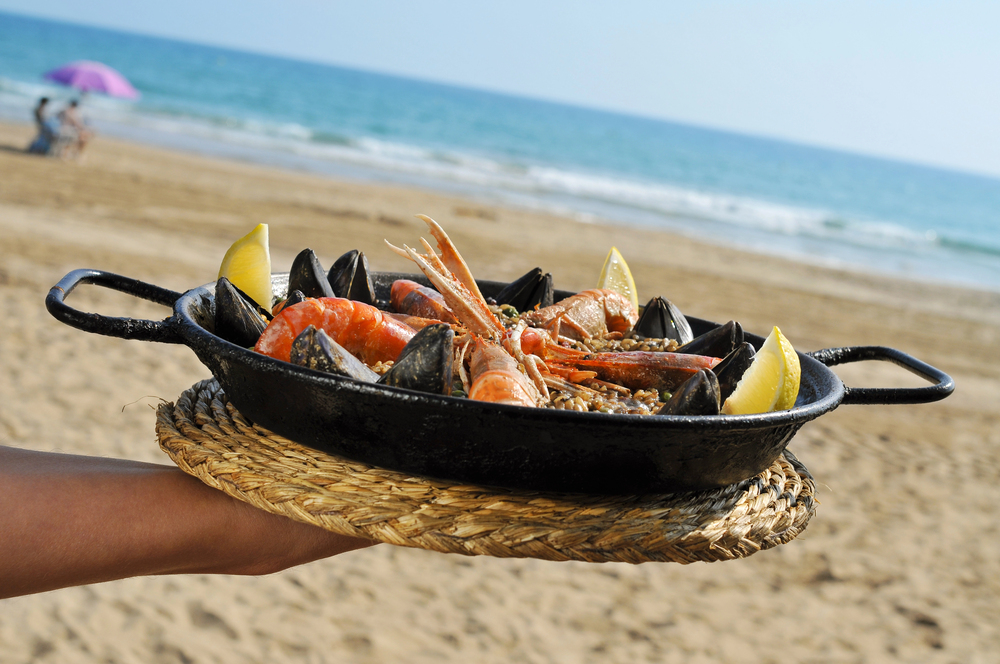
Spanish Gastronomy
The culinary scene in Spain is distinguished by its regional diversity and a blend of historic influences.
Each dish tells a story, showcasing local ingredients and traditions passed down through generations.
Regional Culinary Specialities
- Paella: Originating from Valencia, this iconic rice dish features assorted ingredients, such as seafood, chicken, and vegetables, cooked in a special pan.
- Gazpacho: A cold soup made primarily from tomatoes, peppers, and cucumbers, gazpacho is a staple of summer dining, especially in Andalucía.
- Jamón Ibérico: This cured ham, made from the Iberian pig, is renowned for its rich flavour and is often considered a delicacy throughout the country.
Tapas Culture
Tapas are small dishes served alongside drinks, celebrated for their variety and the social experience they create.
Diners often share an assortment of tapas, fostering communal dining and lively conversation.
This practice not only reflects the Spanish way of life but also highlights the importance of food as a social connector.
Spain’s Natural Wonders and Biodiversity
Spain boasts a rich tapestry of natural landscapes and biodiversity, showcasing a wide range of ecosystems from coastal areas to mountainous regions.
The country’s commitment to conservation reflects its diverse wildlife and unique habitats.
National Parks and Conservation Efforts
Spain is home to an impressive number of national parks that preserve its natural beauty and diverse ecosystems.
There are currently 15 national parks, each offering a unique glimpse into the country’s environmental wealth.
- Doñana National Park: This UNESCO World Heritage site is renowned for its wetlands and is a critical habitat for numerous bird species, particularly during migration periods. The park is both a haven for wildlife and a vital part of Spain’s ecological balance.
- Teide National Park: Located on Tenerife in the Canary Islands, this park includes the highest peak in Spain, Mount Teide. The volcanic landscape is unique and supports a variety of endemic species, showcasing the islands’ geological diversity.
- Ordesa y Monte Perdido National Park: Nestled in the Pyrenees, this national park features stunning glacial valleys and a plethora of flora and fauna, making it a popular destination for hikers and nature enthusiasts.
Efforts to conserve these areas include strict regulations on tourism, biodiversity monitoring, and habitat restoration projects, all aimed at protecting the unique flora and fauna of Spain.
Endangered Species and Habitat Protection
Spain’s biodiversity faces significant challenges, with several species classified as endangered.
Protecting their habitats is crucial to ensuring their survival.
- Iberian Lynx: Once teetering on the brink of extinction, comprehensive conservation efforts, such as habitat restoration and breeding programmes, have seen this iconic species make a remarkable comeback.
- Spanish Imperial Eagle: This majestic bird of prey is one of the rarest in Europe. Conservation initiatives have focused on habitat preservation and protection from hunting and habitat loss.
- Caretta Caretta (Loggerhead Turtle): The loggerhead turtle nests on the beaches of Spain, particularly in the Mediterranean. Protection of nesting sites and marine environments is critical for the survival of this species.
Various non-profit organisations and governmental bodies work together to implement strategies aimed at habitat protection and species recovery, showcasing Spain’s dedication to its natural heritage.
Yours Free
Please click / tap on the image below:
Migratory Bird Patterns and Wildlife
Spain occupies a strategic position on migratory routes for many bird species travelling between Africa and Europe.
The diverse landscapes provide crucial resting and feeding grounds.
- Birdwatching Hotspots: Locations such as the wetlands of Doñana and the River Ebro Delta are recognized as premier birdwatching destinations, attracting ornithologists and nature lovers from around the globe.
- Migratory Patterns: Major migrations occur in spring and autumn, with species like storks, raptors, and waders utilising these routes for their seasonal journeys. Understanding these patterns helps in the conservation of essential habitats.
- Wildlife Diversity: Beyond birds, Spain is home to a wide array of species, including the Spanish ibex and various amphibians. The country’s varied landscapes support rich ecosystems, each with its own unique wildlife.
This combination of strategic conservation efforts and habitat protection ensures that Spain remains a vital sanctuary for wildlife and a spectacular destination for those interested in natural wonders.
Economic Structure and Modern Developments
The economic landscape of Spain has undergone significant transformation in recent decades, influenced by various sectors and global dynamics.
This section delves into the vital economic components that underpin Spain’s economy and their contributions to its growth.
Core Economic Sectors
Spain’s economy is multifaceted, with key sectors playing crucial roles in its development.
The primary sectors include tourism, industrial activities, agriculture, and services.
Each sector contributes to the overall economic health and provides employment opportunities for millions.
Tourism’s Role in the Economy
Tourism is undoubtedly one of the most significant pillars of Spain’s economy.
As the second most visited country in the world, it contributes substantially to GDP and employment.
Spain’s rich cultural heritage, historic landmarks, and gorgeous landscapes attract millions of visitors annually, with popular destinations including Barcelona, Madrid, and the Balearic Islands.
Not only does tourism boost local economies, but it also supports ancillary sectors such as hospitality, transportation, and retail.
Industrial Contributions
The industrial sector of Spain is diverse and includes automotive, textiles, machinery, and food processing.
Spain is one of the leading car manufacturers in Europe, with major companies operating within its borders.
This sector not only provides considerable employment but also contributes to exports.
Food and beverage processing is another notable area, showcasing Spain’s culinary heritage.
The emphasis on high-quality produce and traditional practices makes this sector integral to both the economy and cultural identity.
Spain’s Global Economic Position
Spain’s economy ranks as the eighth largest in the world, reflecting its strong international presence.
This global economic status is attributed to various factors, including its membership in the European Union, strategic trade relationships, and a strong service industry.
Membership in the European Economic Community
Joining the European Economic Community (now the European Union) in 1986 marked a turning point for Spain.
This membership facilitated access to wider markets, increased foreign investment, and enhanced economic cooperation.
It has driven infrastructure development and modernisation through various EU funding programmes.
Integration into the single market has allowed Spain to diversify its trading partnerships, making it an essential part of the EU’s economic landscape.
Recent Economic Challenges and Growth
Despite its robust economic framework, Spain has faced challenges, including the financial crisis of 2008, which significantly impacted growth.
High unemployment rates and austerity measures characterised this period.
However, Spain has shown resilience, implementing structural reforms aimed at improving competitiveness and economic stability.
In recent years, the economy has experienced a recovery, with an upward trend in GDP and a decrease in unemployment.
The focus on innovation and digital transformation is poised to drive future growth, particularly in the technology and renewable energy sectors.
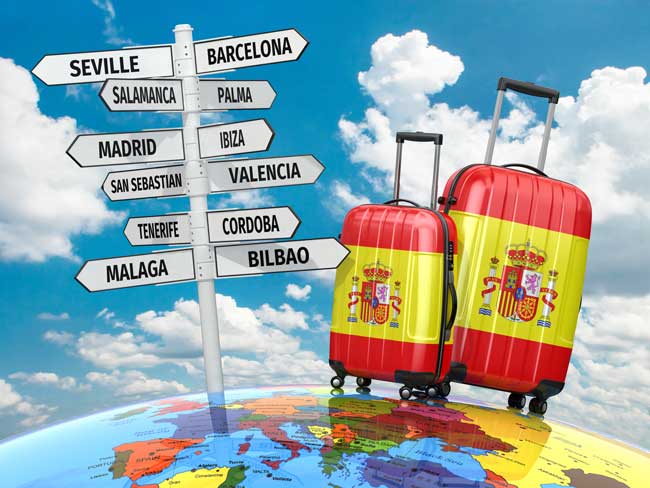
Interesting and Fun Facts About Spain
Spain is a country filled with intriguing traditions and remarkable history.
From peculiar customs to surprising modern-day facts, the following sections explore the unique aspects that make Spain truly fascinating.
Quirky and Unusual Spanish Traditions
Spain is known for its vibrant and sometimes eccentric traditions that reflect its diverse culture.
Some of these customs may seem unusual to outsiders, yet they are an essential part of Spain’s identity.
- La Tomatina: This famous festival held in Buñol, Valencia, consists of an enormous tomato fight where participants throw overripe tomatoes at each other. It takes place on the last Wednesday of August and attracts thousands of visitors from around the globe.
- San Fermín: Known for the running of the bulls, this event in Pamplona draws thrill-seekers who run ahead of the bulls through the city streets. The festival, held in July, also features traditional music, dance, and fireworks, creating a carnival-like atmosphere.
- Ratoncito Pérez: The Spanish equivalent of the tooth fairy, Ratoncito Pérez is a mouse who takes children’s lost teeth from under their pillows and leaves coins in exchange, captivating the imaginations of young children across the country.
Fascinating Historical Tidbits
Spain’s rich history is filled with remarkable events and influential figures that have shaped its current landscape.
Understanding these historical tidbits provides insight into the country’s culture and development.
- Origin of the Name: The name “Spain” is derived from the ancient term “Ispania,” used by the Romans to refer to the Iberian Peninsula. This reflects the country’s long history of diverse influences, including those of the Phoenicians, Greeks, and Romans.
- Contributions to Art and Literature: Spain has produced renowned artists and writers, including Pablo Picasso and Miguel de Cervantes. These figures have left an indelible mark on global art and literature, showcasing the country’s creative spirit.
- The Spanish Civil War: This brutal conflict from 1936 to 1939 was a significant turning point in Spanish history, leading to the dictatorship of Francisco Franco. The war has left lasting scars on the national psyche, impacting politics and culture for decades.
Surprising Modern Facts and Statistics
In today’s rapidly changing world, Spain continues to hold its own with remarkable statistics and contemporary facts that often surprise even the well-informed.
- Second Most Visited Country: In recent years, Spain has consistently ranked as the second most visited country globally, just after France, with millions of tourists flocking to its historic sites, beaches, and cities annually.
- Diverse Languages: While Spanish is the official language, Spain is home to several co-official languages, including Catalan, Galician, and Basque. This linguistic diversity reflects the country’s rich regional identities.
- Unique National Anthem: The national anthem of Spain, “La Marcha Real,” is noteworthy for being one of the few in the world without lyrics. This peculiarity often leads to interesting moments during international events.
Credit image: Rebeca González, Bill Hertha
Yours Free
Please click / tap on the image below:
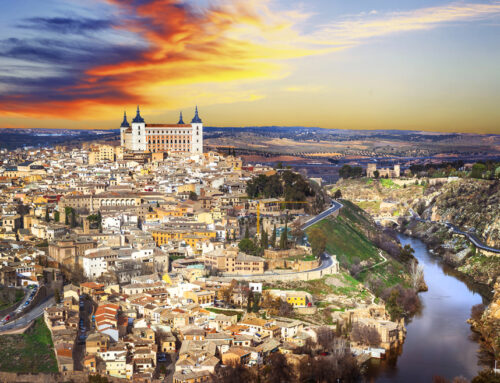
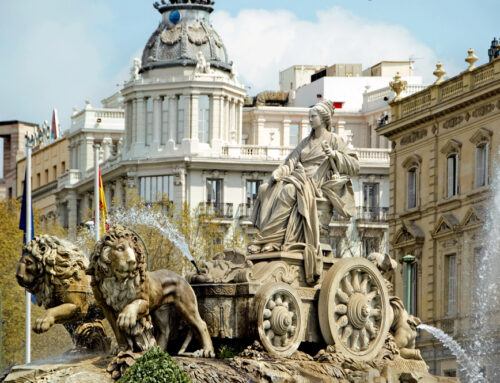
If you would like to read about other important points for living / moving to Spain, here are other useful articles we wrote:




Hi Jess,
Don’t wanna become Mr. Excuses ;-) Action, action, action. In this case it’d be: writing, writing, writing (and publishing).
Thanks for your comment. I thought it would be interesting speaking about those things I kinda hear regularly.
All the best Jess,
David
Hi Sharon,
It’s funny, I’ve made a few contacts with experts and was thinking on doing round 3 soon.
I’ll keep you posted.
All the best,
David