Barcelona is a vibrant city located on the northeast coast of Spain. It is known for its rich history, stunning architecture, and diverse culture.
The city attracts millions of visitors every year, drawn by its unique blend of tradition and modernity.
The city’s history dates back to ancient times, with significant Roman and medieval influences shaping its development.
Barcelona Spain is also home to many iconic landmarks, including the works of Antoni Gaudí and the historic Gothic Quarter.
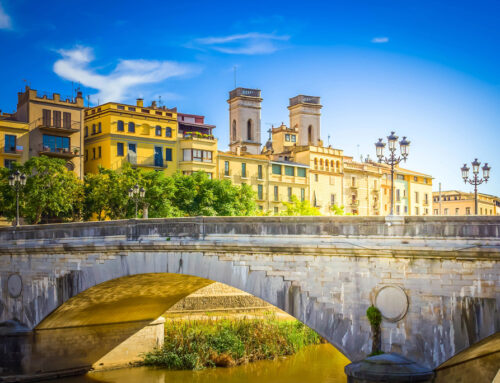
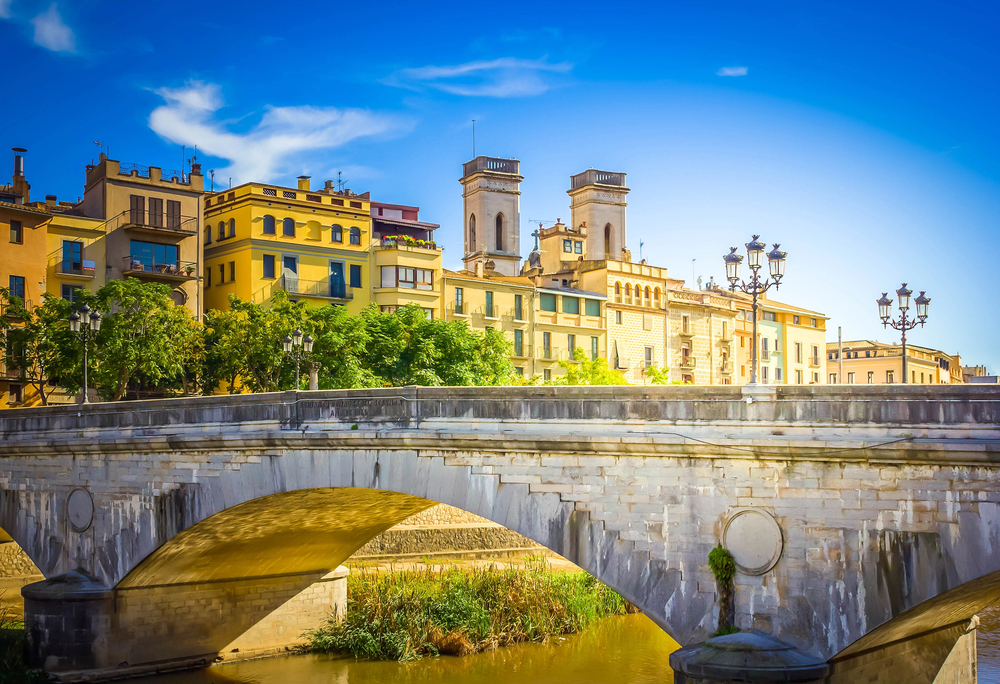
In the same Catalan region, the city of Girona Spain stands out for its well-preserved historic center and its strong medieval legacy.

Before we start… Yours Free
Spain 101 is a free ebook full of unique tips that will save you thousands of Euros when moving to / living in Spain.
Would you like to get it now?
Please click / tap on the image below:

Barcelona is a city characterised by its rich history, unique cultural influences, and stunning natural landscapes.
Its evolution from ancient origins to a modern metropolis offers an intriguing narrative of development and change.
History and Development of Barcelona Spain
Ancient Beginnings
The story of Barcelona dates back to ancient times when it is believed to have been founded by the Phoenicians or Carthaginians.
The site served as a crucial trading post due to its strategic coastal position.
Archaeological discoveries suggest that the region was inhabited well before this founding, with evidence of early settlements contributing to its long-standing significance.
Roman Influence and Legacy
Under Roman rule, Barcelona was known as ‘Barcino,’ an influential city within the imperial framework.
Structures such as walls, temples, and a systematic grid layout began to take shape, leaving enduring legacies still visible today.
The remains of the Roman fortress and parts of the city walls can be found in the Gothic Quarter, a testament to this historical period.
Medieval Significance
During the Middle Ages, the city flourished as a pivotal trade centre, becoming the capital of the County of Barcelona.
This era saw the construction of vital infrastructures, including grand churches and marketplaces.
The Gothic architecture, prominent in the city’s layout, reflects the wealth and status of Barcelona during this time, encapsulating the vibrancy of medieval life.
Modern Urban Transformations
The 19th and 20th centuries marked a pivotal transformation in Barcelona’s urban landscape, driven largely by the Industrial Revolution.
This period introduced significant changes in infrastructure, including the creation of the Eixample district, designed to accommodate the city’s growing population.
The city experienced further development during the late 20th century with initiatives following the 1992 Olympics, which enhanced its status on the global stage.
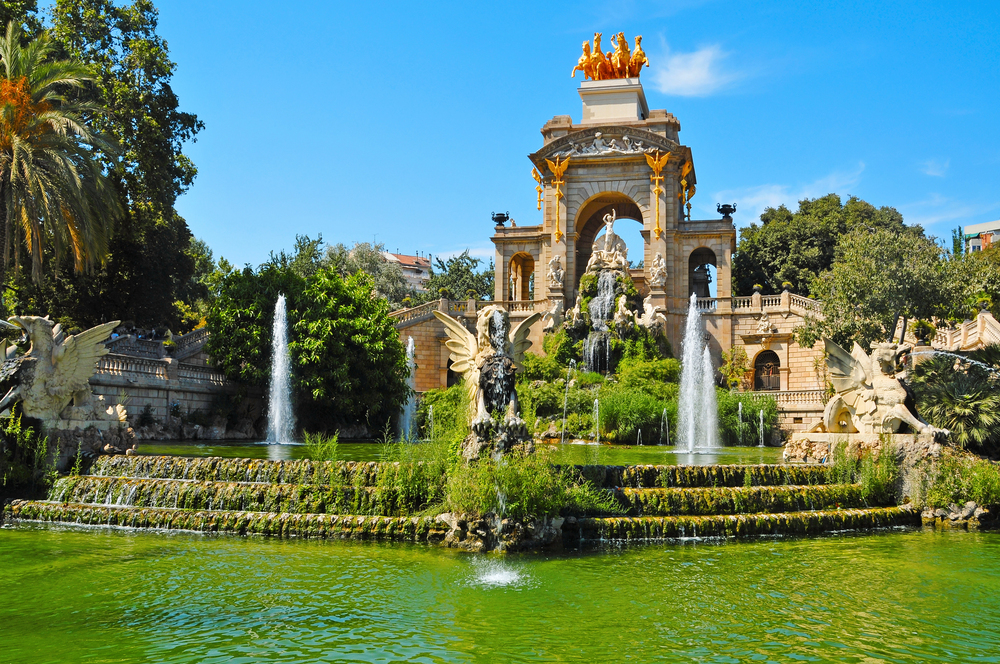
Geographic Features and Location
Coastal Metropolis
Situated along the northeastern coast of Spain, Barcelona enjoys a prime location by the Mediterranean Sea.
This coastal setting not only enhances its aesthetic appeal but also contributes to its economic significance as a major port city.
The beaches attract both locals and tourists seeking leisure and recreational activities, reinforcing the city’s reputation as a vibrant coastal destination.
Iconic Landmarks and Architecture
The skyline of Barcelona is punctuated by a unique assortment of architectural masterpieces, prominently featuring the works of Antoni Gaudí.
His iconic creations, such as the Sagrada Familia and Park Güell, showcase the city’s modernist architecture, intertwining with older Gothic structures.
The juxtaposition of these styles creates an eclectic urban tapestry that reflects the city’s historical layers.
The Mountains and Surrounding Nature
Flanked by the Collserola mountain range to the west, Barcelona benefits from a picturesque natural backdrop.
This proximity to nature offers residents and visitors alike opportunities for outdoor activities, including hiking and cycling.
Parks such as Montjuïc provide scenic viewpoints of the city and the coastline, enhancing the overall urban experience.
Weather in Barcelona
Barcelona enjoys a pleasant climate throughout the year, making it an attractive destination for visitors seeking milder temperatures and sunny days.
Mediterranean Climate Characteristics
Barcelona is characterised by a Mediterranean climate, which typically consists of warm, dry summers and mild, wet winters.
This climate is primarily influenced by its coastal location, allowing for both refreshing sea breezes and warmth from the sun.
Average annual temperatures range from 15°C in the cooler months to a comfortable 25°C during the summer months.
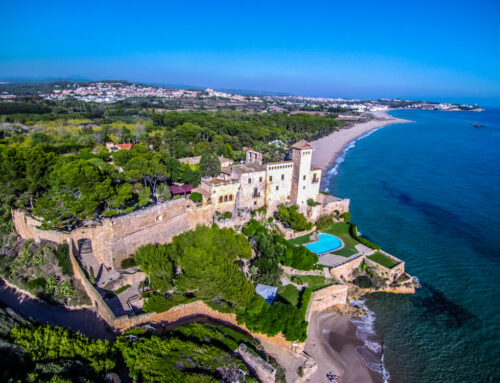
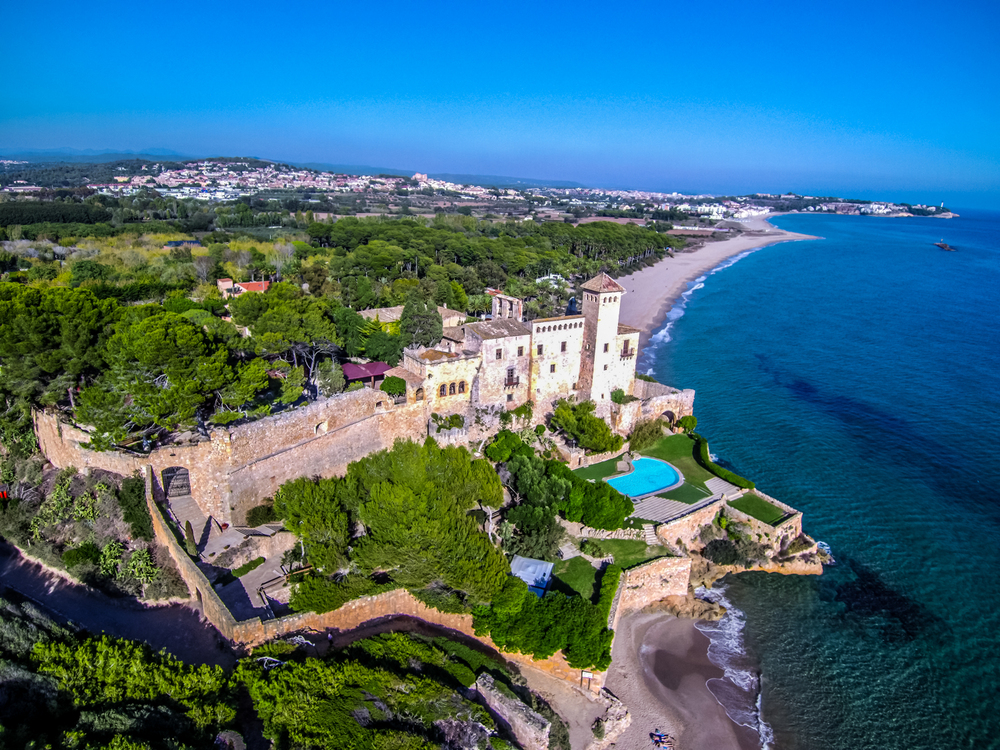
In the same region, the city of Tarragona Spain also has a very similar Mediterranean climate, with hot summers and mild winters influenced by its location on the coast.
Seasonal Variations
In spring, temperatures begin to rise significantly, creating perfect conditions for outdoor activities.
Average temperatures range from 15°C to 22°C, with refreshing rainfall that helps keep the landscape vibrant.
Summer sees temperatures soar, often exceeding 30°C, particularly in July and August.
This period is synonymous with beach outings and cultural festivals.
As autumn approaches, temperatures gradually decrease, with averages between 18°C to 24°C.
The city experiences another spike in rainfall during this season, providing a welcome respite from the summer heat.
Winter, on the other hand, is mild, with temperatures hovering between 10°C to 16°C, making it a favourable time for tourists who prefer fewer crowds while enjoying moderate weather.
Best Times to Visit
Summer Attractions
Summer is undoubtedly the peak tourist season in Barcelona.
The sun-drenched beaches become bustling hotspots for sunbathers and water sports enthusiasts.
Numerous outdoor events, concerts, and festivals occur during this time, including the popular Festa Major de Gràcia, which features spectacular decorations and community activities.
The warm evenings invite leisurely strolls along La Rambla, indulging in the city’s vibrant nightlife.
Winter Experiences
The winter months present a different charm for visitors.
Although the temperatures are cooler, the festive atmosphere during the holiday season brings a unique vibrancy.
Visitors can enjoy the Christmas markets, particularly in places like the Gothic Quarter, where traditional crafts and tasty treats abound.
The clear blue skies often accompany mild daytime temperatures, perfect for exploring the city’s legendary architecture without the summer crowds.
Weather Tips for Travellers
- Pack Accordingly: When visiting in summer, lightweight, breathable clothing, sunblock, and a hat are essential. In winter, layering is advisable to accommodate fluctuating temperatures.
- Monitor Weather Forecasts: Local weather conditions can change; checking the forecast daily will ensure preparedness for sudden showers, especially in spring and autumn.
- Stay Hydrated: Especially during the hot summer months, it is important to drink plenty of water while exploring the city. Many cafes and restaurants offer fresh juices and water to keep you refreshed.
- Sun Protection: Regardless of the season, the sun can be strong, so using sunblock and protective clothing can prevent sunburns, especially during midday hours.
Cultural and Historical Attractions
Barcelona boasts a rich tapestry of cultural and historical attractions that reflects its complex heritage.
From architectural wonders to vibrant festivals, the city offers insights into its artistic and historical legacy.
Architectural Marvels
Gaudí’s Masterpieces
Antoni Gaudí, one of the most influential architects of the 20th century, left an indelible mark on Barcelona’s skyline.
His works, characterised by unique forms and vibrant colours, are emblematic of Catalan Modernism.
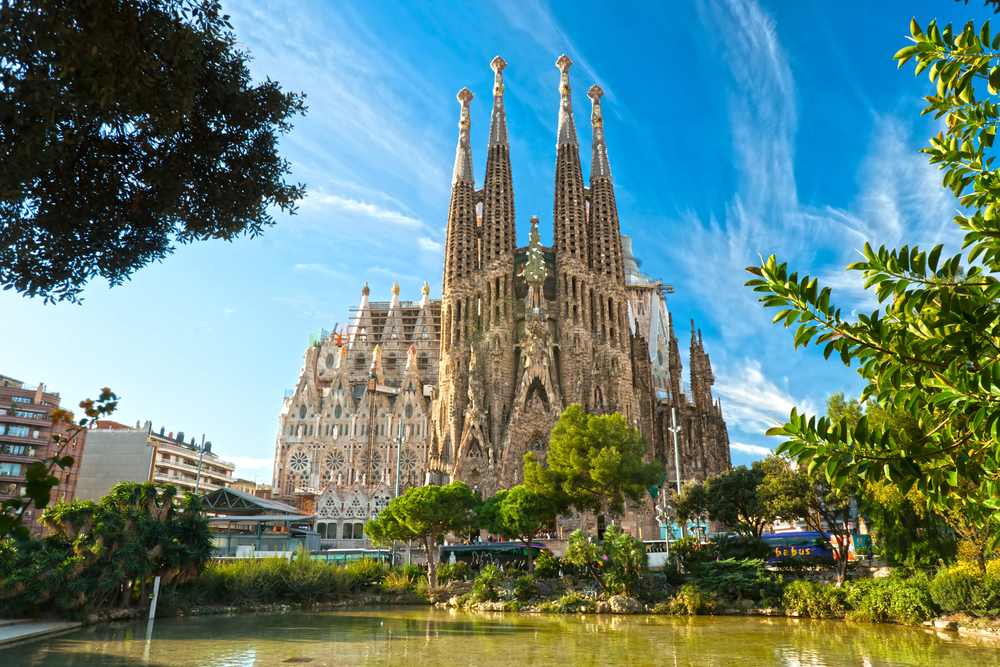
The Sagrada Familia stands out as Gaudí’s magnum opus—a basilica still under construction that mesmerises visitors with its intricate façades and towering spires.
The organic shapes, inspired by nature, combined with rich symbolism, invite exploration and contemplation.
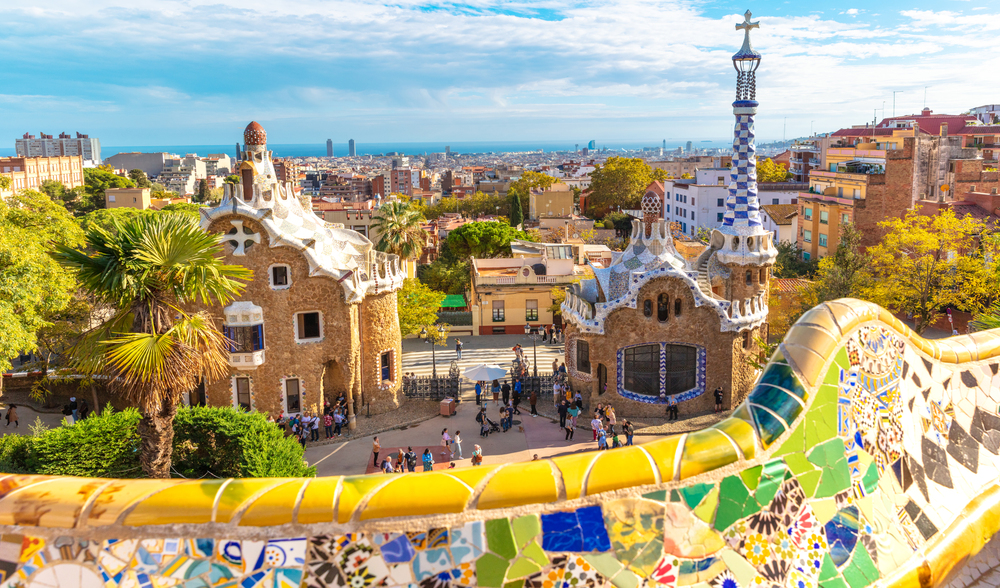
Another iconic creation is Park Güell, initially conceived as a residential estate.
This public park is recognised for its colourful mosaics, twisting pathways, and whimsical structures.
Visitors are often drawn to the Hansel and Gretel-style gatehouses and the serpentine bench that provides stunning views of the city.
Gothic Quarter
The Gothic Quarter, or Barri Gòtic, represents the historic heart of Barcelona.
This labyrinth of narrow streets is home to medieval buildings, quaint plazas, and centuries-old churches.
The Barcelona Cathedral, with its neogothic façade and beautiful cloister, is a noteworthy sight.
This area showcases the city’s rich history through its architecture, with remnants from Roman walls to gothic structures, allowing a glimpse into the past.
Strolling through the Gothic Quarter reveals hidden gems, such as the Plaça del Rei, a historical square that has witnessed significant events throughout history, resonating with tales of royalty and intrigue.
Museums and Galleries
Art and History Museums
Barcelona is home to a myriad of art and history museums, making it a cultural treasure trove.
The Museu Picasso houses one of the most extensive collections of artworks by Pablo Picasso, highlighting his formative years in the city.
The museum’s layout, within five adjoining medieval palaces, enhances the artistic experience, allowing visitors to traverse through Picasso’s evolution as an artist.
The Museu Nacional d’Art de Catalunya (MNAC) offers an extensive overview of Catalan art, spanning from the Romanesque period to the mid-20th century.
Its location on Montjuïc hill provides panoramic views alongside its impressive collections, showcasing beautiful artworks and installations.
Contemporary Spaces
In contrast to classical art, the city embraces contemporary expressions.
The Museu d’Art Contemporani de Barcelona (MACBA) reflects modern artistic trends through its innovative collection of works by both local and international artists.
This museum, with its sleek design, is at the forefront of Barcelona’s contemporary cultural scene.
Another significant venue is the Fundació Joan Miró, dedicated to the works of Joan Miró, which focuses on fostering appreciation for the artist’s unique style.
The foundation not only exhibits Miró’s works but also promotes contemporary art through various educational programmes.
Festivals and Traditions
Barcelona hosts a myriad of festivals that highlight its rich cultural traditions.
One of the most famous is La Mercè, held each September in honour of the city’s patron saint.
This festival features a spectacular array of activities, including fireworks, music concerts, and traditional Catalan performances, such as castells, where human towers are constructed in a demonstration of teamwork and strength.
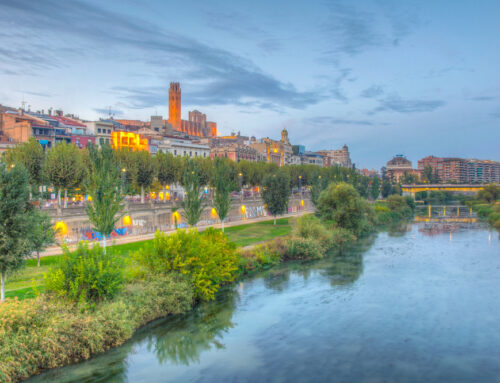
In the same region, the city of Lleida Spain also celebrates various traditional festivals that reflect Catalan cultural identity and its strong sense of community.
Yours Free
Spain 101 is a free ebook full of unique tips that will save you thousands of Euros when moving to / living in Spain.
Would you like to get it now?
Please click / tap on the image below:
Another significant event is the Festa de Sant Jordi, celebrated on April 23rd.
On this day, streets are transformed into vibrant markets where people exchange books and roses, symbolising love and culture—a reflection of the city’s literary heritage and romantic spirit.
The Carnival of Barcelona is a lively celebration that takes place before Lent.
Streets come alive with parades, costumes, and musical performances, illustrating the city’s festive character.
Accommodation in Barcelona
Barcelona offers a diverse range of accommodation options to suit all types of travellers, from luxury seekers to budget-conscious visitors.
This vibrant city caters to various preferences in terms of comfort, style, and location.
Types of Accommodation
Luxury Hotels
For those seeking an indulgent stay, Barcelona boasts numerous luxury hotels renowned for their elegant designs and impeccable service.
Visitors can expect lavish rooms with stunning views of the city or the Mediterranean Sea.
Budget Options
Budget travellers will find a multitude of affordable options that don’t compromise on comfort or style.
Hostels, guesthouses, and budget hotels are sprinkled throughout the city, making it easy to find a viable place to stay.
Recommendations for Areas to Stay
City Centre Highlights
Staying in the city centre allows visitors to immerse themselves in the vibrant culture and rich history of Barcelona.
The Gothic Quarter and El Born neighbourhoods are particularly popular, offering a wealth of dining, shopping, and sightseeing opportunities.
This area features historical architecture and is within walking distance to landmarks such as the Cathedral of Barcelona and La Rambla.
Coastal and Quiet Retreats
For a more tranquil experience, areas like Barceloneta and Gràcia provide a perfect blend of relaxation and local charm.
Barceloneta, known for its seaside atmosphere, offers a variety of beachfront accommodations that promote a laid-back experience.
Gràcia, on the other hand, is a neighbourhood that exudes a bohemian vibe with smaller boutique hotels and charming apartments, making it ideal for those looking to escape the hustle and bustle.
Tips for Booking Accommodation
When booking accommodation, timing plays a crucial role.
Securing reservations well in advance, especially during peak tourist seasons, ensures access to a wider selection and better rates.
It’s advisable to compare different booking platforms and seek out any offers or discounts available.
- Read reviews from previous guests to gauge the quality of service and amenities.
- Consider the proximity to public transport for easier navigation around the city.
- Check for cancellation policies before finalising bookings in case plans change.
Making use of mobile applications that specialise in travel can simplify the booking process and provide real-time updates on availability and pricing.
By staying informed and flexible with travel dates, visitors can enhance their overall experience in Barcelona.
Gastronomy and Dining
The culinary scene in Barcelona is a vibrant reflection of its rich cultural heritage.
Catalan cuisine offers a plethora of traditional dishes that showcase local ingredients and recipes passed down through generations.
From its lively markets to the renowned restaurants, Barcelona is a haven for food enthusiasts.
Traditional Catalan Cuisine
Catalan cuisine is characterised by its use of fresh, local produce and Mediterranean flavours.
Staples include seafood, meats, vegetables, and an array of spices that create distinct dishes.
Traditional foods often feature tomatoes, garlic, and olive oil, integral to the region’s cooking style.
- Escudella i Carn d’Olla
This hearty stew is considered the national dish of Catalonia.
It is made with a variety of meats, including pork and chicken, alongside vegetables and chickpeas.
Often enjoyed during the colder months, it reflects the rustic nature of Catalan cooking.
- Pa Amb Tomàquet
A simple yet delightful dish consisting of rustic bread rubbed with ripe tomatoes and drizzled with olive oil.
This is commonly served as a tapa and is a staple in many local households.
- Crema Catalana
This popular dessert is similar to crème brûlée but is uniquely flavoured with cinnamon and lemon zest.
Its caramelised sugar top provides a delightful crunch, making it a favourite among locals and tourists alike.
Food Markets and Culinary Tours
Food markets are central to the culinary life in Barcelona.
They offer an authentic experience of local culture and the chance to sample fresh, homemade products.
Visitors can explore the vibrant stalls, where vendors sell everything from fresh seafood to artisan cheeses.
- Mercat de Sant Josep de la Boqueria
This iconic market is a sensory delight, featuring colourful displays of fruits, vegetables, meats, and local delicacies.
It is a popular spot for both locals and tourists, making it an essential stop for anyone seeking a taste of Barcelona.
- Mercat de Sant Antoní
A hidden gem, this market combines traditional stalls with modern food vendors.
It’s a fantastic place to try local pastries or enjoy a meal at one of the nearby cafés.
- Culinary Tours
Culinary tours are a fantastic way to explore Barcelona’s gastronomy.
Many local guides offer experiences that include visits to markets, cooking classes, and tastings at traditional restaurants, providing a deeper understanding of Catalan food culture.
Transport and Accessibility
Barcelona boasts an extensive and efficient transport system that facilitates easy navigation throughout the city.
The public transport network, international connections, and various modes of travel enhance accessibility for both residents and visitors.
Public Transport System
Metro and Bus Networks
The Barcelona Metro is a crucial mode of transportation, comprising twelve lines that serve 180 stations across the city.
It operates from early morning until midnight on weekdays, with extended hours on weekends.
The metro is characterised by its punctuality and cleanliness, making it a popular choice for daily commuters and tourists alike.
Additionally, the bus network complements the metro, providing access to areas that may be less convenient to reach by train.
With over 100 routes traversing different districts, the buses run frequently throughout the day.
Timetables are readily available at bus stops and through mobile applications, enhancing convenience for users.
Bicycle and Scooter Rentals
In recent years, Barcelona has embraced eco-friendliness, promoting cycling as a sustainable transport option.
The city offers a bike-sharing programme called Bicing, providing easily accessible bicycles for short-term use.
This service is particularly useful for navigating the numerous bike lanes that have been developed throughout the urban landscape.
Electric scooters have also surged in popularity.
Various companies provide rental services through user-friendly mobile apps, allowing users to find, unlock, and use scooters with minimal hassle.
These options offer a flexible and fun way to explore the city while reducing traffic congestion and environmental impact.
International and Domestic Connections
Airports and Flights
Barcelona is served primarily by the Josep Tarradellas Barcelona-El Prat Airport, located approximately 12 kilometres southwest of the city centre.
It is one of the busiest airports in Europe, facilitating both domestic and international flights.
The airport has two terminals, both equipped with modern facilities to ensure a seamless travel experience.
Regular shuttle services and taxis connect the airport to the city centre, making arrival and departure convenient for travellers.
The Aerobus service operates directly between the airport and key points in the city, offering an efficient option for quick transit.
Train and Bus Stations
Barcelona also has a robust rail network, with several train stations facilitating connections to other Spanish cities and beyond.
The main station, Barcelona Sants, links domestic routes to picturesque destinations like Madrid and Valencia, as well as offering high-speed train services such as AVE.
For intercity travel, the Estació del Nord serves numerous buses that connect Barcelona to various parts of Catalonia and Spain.
This station is strategically located near the Arc de Triomf, making it accessible for those travelling to different regions.
Shopping and Entertainment
Barcelona is a vibrant metropolis that offers a diverse array of shopping and entertainment options, catering to various tastes and preferences.
From bustling shopping districts to lively nightlife, the city has something for everyone.
Key Shopping Districts
The shopping scene in Barcelona is thriving, showcasing both international brands and local designers.
Key areas to explore include:
- Passeig de Gràcia
This elegant avenue is one of the city’s most prestigious shopping destinations.
Lined with high-end boutiques and flagship stores, it is also home to some of Gaudí’s architectural masterpieces.
Visitors can find luxury brands such as Chanel and Gucci alongside notable shops like Zara.
- Portal de l’Angel
Located close to the Gothic Quarter, this lively pedestrian street is known for its diverse selection of stores.
Shoppers can enjoy a mix of well-known chains and local shops, making it a popular spot for both fashion and souvenirs.
- El Raval
This multicultural neighbourhood is famous for its unique boutiques and vintage shops.
El Raval offers an eclectic shopping experience, with numerous independent stores that reflect the artistic spirit of the area.
- La Rambla
As one of Barcelona’s most famous streets, La Rambla is perfect for leisurely shopping.
While lined with various shops, it is also a great place to purchase local crafts and souvenirs, especially at the La Boqueria market, where fresh produce and artisanal products abound.
Parks and Outdoor Activities
When seeking leisure away from the hustle and bustle, Barcelona’s parks and outdoor spaces provide the perfect settings for relaxation and recreation.
- Park Güell
This iconic park, designed by Antoni Gaudí, is a fantastic blend of nature and art.
Visitors can stroll through whimsical gardens, artistic structures, and scenic viewpoints overlooking the city.
- Montjuïc Park
Offering lush greenery and historical sites, Montjuïc is ideal for outdoor enthusiasts.
The park features beautiful walking trails, the Montjuïc Castle, and panoramic views of the harbour.
It is also host to several cultural attractions, including museums and the Magic Fountain, which hosts spectacular light displays.
- Beaches
Barcelona’s coastline is dotted with beaches that are perfect for sunbathing and socialising.
Barceloneta Beach is one of the most popular, known for its vibrant atmosphere, beach bars, and water sports activities.
Visitors can enjoy a day by the sea, followed by a meal at one of the many beachfront restaurants.
The Local Community and Lifestyle
Barcelona thrives with a vibrant local community that reflects a unique blend of cultures and lifestyles.
The city’s rich history and diverse population contribute to its dynamic atmosphere.
Language and Communication
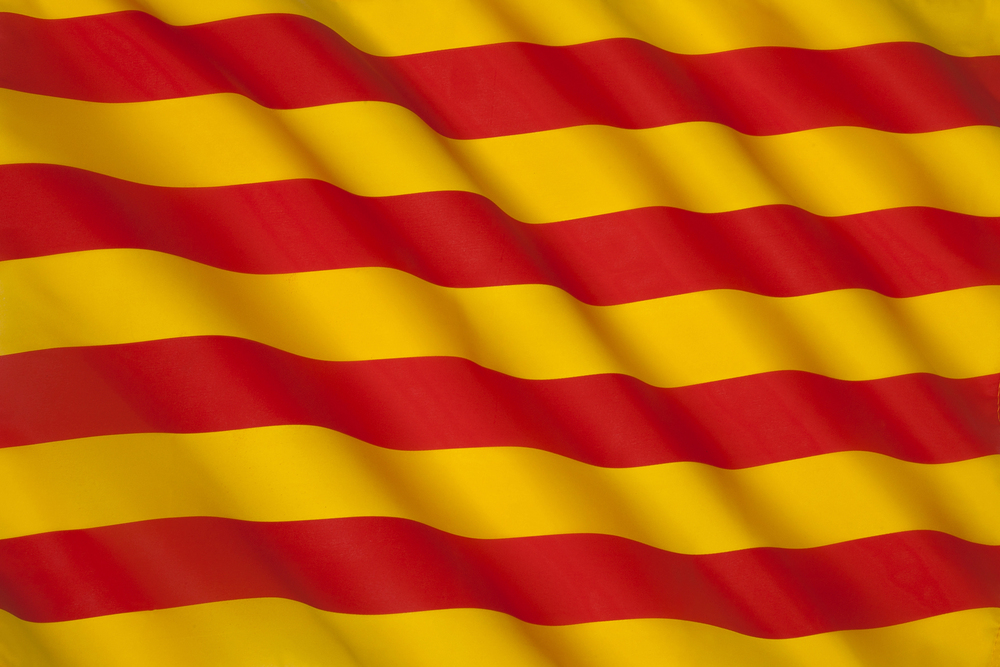
In Barcelona, the primary languages spoken are Catalan and Spanish, with Catalan being the official language of Catalonia Spain.
Most locals are bilingual, effortlessly switching between Catalan and Spanish in daily interactions.
English is also commonly understood, particularly in tourist areas and among younger generations.
For visitors and newcomers, familiarity with basic Catalan phrases can greatly enhance communication.
Some common phrases include:
- Hola (Hello)
- Gràcies (Thank you)
- Bon dia (Good morning)
- Si us plau (Please)
The local community values traditional customs, making it important for newcomers to engage and show respect for Catalan culture.
Participating in local events and traditions can also aid in learning the language and integrating into the community.
Living in Barcelona
Life in Barcelona is characterised by a leisurely pace, robust social life, and a strong appreciation for the arts.
The people of Barcelona enjoy a lifestyle that balances work and leisure.
A typical day might include a long lunch break, allowing for leisurely meals with family or friends.
Residents take pride in their cultural heritage, often participating in community events and festivities.
The city boasts numerous parks and green spaces, providing ample opportunities for outdoor activities.
Popular spots such as Parc de la Ciutadella and Montjuïc offer beautiful settings for relaxation and recreation.
The culinary scene in Barcelona is also a cornerstone of local life.
Traditional markets like La Boqueria serve fresh produce and local delicacies, reflecting the city’s culinary diversity.
Dining out is a communal affair, often enjoyed late into the evening, showcasing the Spanish custom of late meals.
In terms of amenities, Barcelona is well-equipped with a range of services catering to both locals and expats.
From modern healthcare facilities to international schools, the city provides quality resources that support a comfortable lifestyle.
As a vibrant melting pot of cultures, Barcelona continually evolves while maintaining its distinct identity.
The community’s resilience and adaptability are evident as it embraces new influences while cherishing its rich traditions.
Practical Travel Tips
Understanding essential travel tips can greatly enhance the experience of visiting Barcelona.
This guide provides insights into safety, currency, and health services.
Currency and Payments
The official currency in Barcelona is the Euro. Cash is widely accepted, but credit and debit cards are increasingly popular for various transactions, especially in shops, restaurants, and hotels.
Contactless payments are commonplace, making purchasing convenient for visitors.
- ATMs are readily available throughout the city; however, it is wise to check with your bank about international withdrawal fees.
- It is advisable to have some cash on hand for small purchases, particularly in markets or small eateries.
- Always notify your bank before travelling to prevent any issues with card usage abroad.
Many businesses display “tarjeta” signage, indicating that card payments are accepted.
However, some smaller establishments may prefer cash. Always confirm the payment methods accepted beforehand.
Health and Emergency Services
Barcelona boasts a high standard of healthcare.
In case of a medical emergency, visitors can access both public and private healthcare services.
European Union citizens should carry their European Health Insurance Card (EHIC) to receive medical treatment funded at the same level as citizens of Spain.
- The public health system is available to residents and offers many services at little or no cost.
- For non-residents, private clinics and hospitals are available, but fees may apply, so having travel insurance is recommended.
- Pharmacies are plentiful and often offer over-the-counter medications for minor ailments.
In case of non-emergency situations, it is advisable for visitors to have private travel insurance covering health issues, ensuring hassle-free access to healthcare services if needed.
Yours Free
Spain 101 is a free ebook full of unique tips that will save you thousands of Euros when moving to / living in Spain.
Would you like to get it now?
Please click / tap on the image below:
If you would like to read about other important points for living / moving to Spain, here are other useful articles we wrote: