Palencia Spain is a province located in the autonomous community of Castilla y León in north-western Spain.
Known for its rich history and cultural heritage, it has a lot to offer visitors, from historical landmarks to beautiful natural landscapes.
The city is situated on the banks of the Carrión River and features a unique geography with a mix of plains and hills.
The local climate is continental Mediterranean, characterised by cold winters and warm summers, making Palencia Spain an interesting destination year-round.

Before we start… Yours Free
Spain 101 is a free ebook full of unique tips that will save you thousands of Euros when moving to / living in Spain.
Would you like to get it now?
Please click / tap on the image below:

Geography and Location of Palencia Spain
The geography of Palencia is defined by its unique position in the heart of northern Spain.
Its varied landscape, comprising plains and low hills, supports a rich natural environment and contributes to its cultural significance.
Where is Palencia in Spain?
Palencia is situated in the autonomous community of Castilla y León, approximately 190 km north of Madrid.
The city of Leon Spain is located 3 hours to the west of Palencia.
When you drive 2 hours east, you will also find Soria Spain.
The city itself sits on the left bank of the Carrión River, providing it with a strategic location conducive to trade and transport.
Key Features of the Area
This province is known for its predominantly flat terrain, which is characteristic of the Meseta Central, one of Spain’s major geographical regions.
Some notable geographic features include:
- The expansive plains that surround the city.
- Gently elevated areas that surround the province, affording stunning views.
- The presence of lush vegetation, particularly in protected natural spaces.
The Rivers Carrión and Pisuerga
Two significant rivers, the Carrión and the Pisuerga, converge within the province, playing a crucial role in its ecosystem and agriculture.
The River Carrión
The Carrión River is central to Palencias geography, flowing through the city and providing essential water resources.
It also contributes to the local biodiversity, supporting various flora and fauna along its banks.
The River Pisuerga
Flowing northwards, the Pisuerga River adds to the region’s hydrological significance.
Its confluence with the Carrión creates a unique landscape, fostering habitats that enhance the natural beauty of Palencia Spain.
Both rivers not only shape the environment but also contribute to recreational opportunities for residents and visitors alike, enhancing the appeal of Palencia as a destination rich in both natural and historical heritage.
Historical Overview
The historical narrative of Palencia Spain is marked by significant events and influences that have shaped its identity through the centuries.
This section delves into its ancient origins, Roman influence, and the development during the crucial 13th century.
Palencias Ancient Origins
Palencias roots trace back to ancient times, with initial settlements established by Celtic tribes.
The area was known as Pallantia, recognised by historians such as Strabo and Ptolemy.
The strategic location of Pallantia made it a vital settlement in the region, serving as a critical point for trade and military activities.
The Roman Influence
Palencia came under Roman control in the 1st century BC.
The Romans integrated it into the province of Hispania Tarraconensis, transforming it into an essential administrative and commercial hub.
Evidence of this period can still be seen in archaeological sites, with remarkable remnants such as villas featuring elaborate mosaics.
The decline of the Roman Empire brought challenges, yet it also laid the foundation for the citys subsequent resurgence in the Middle Ages.
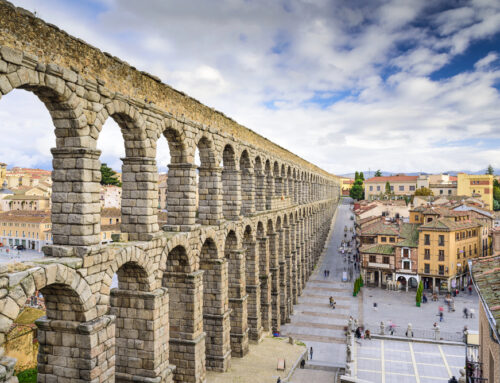
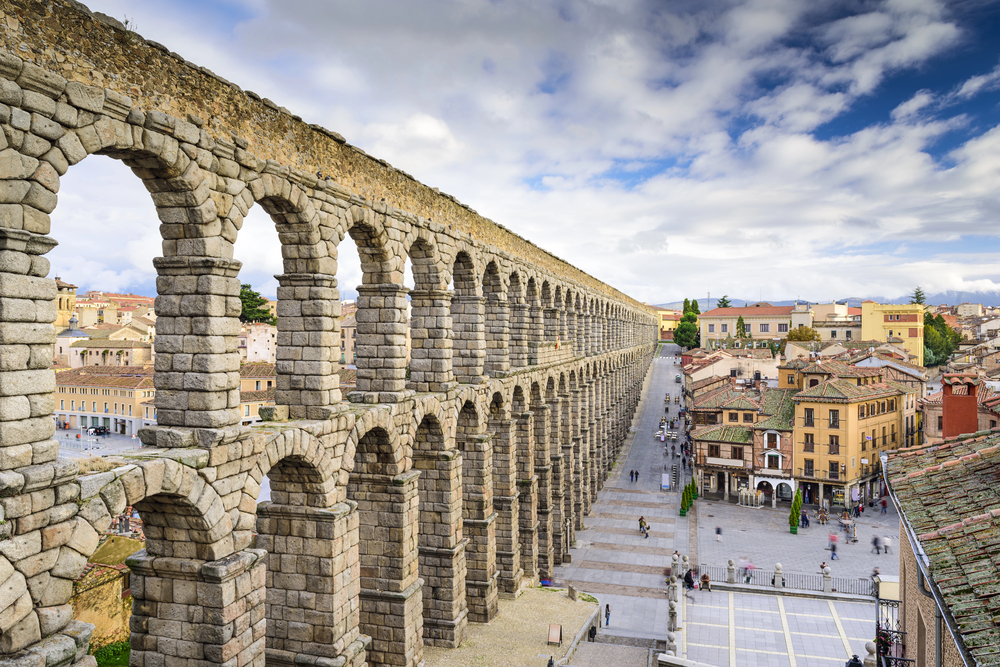
When you visit Segovia Spain, you will be able to the see the spectacular Roman Aqueduct.
The Development in the 13th Century
The 13th century was a pivotal time for Palencia Spain, marked by socio-political changes that enhanced its status.
The establishment of the diocese in this period signified the citys growing ecclesiastical power.
Conflicts with various external forces, including the Moors, played a significant role in shaping the province’s landscape and community stability.
The construction of religious buildings during this time, particularly the late Gothic Cathedral of San Antolín, became a testament to Palencia’s cultural and spiritual revival.
Cultural and Architectural Highlights
The cultural and architectural landscape of Palencia Spain is a testament to its rich history and diverse influences.
From ancient ruins to contemporary structures, the city offers a glimpse into its past and present through a variety of intriguing landmarks.
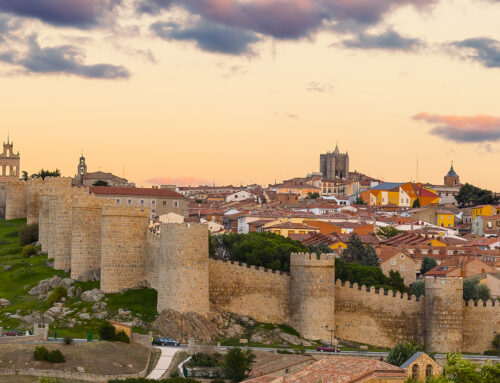
Nearby, the city of Ávila España stands out for its remarkably well-preserved medieval walls, offering another powerful example of Spain’s layered architectural heritage.
Notable Landmarks and Buildings in Palencia Spain
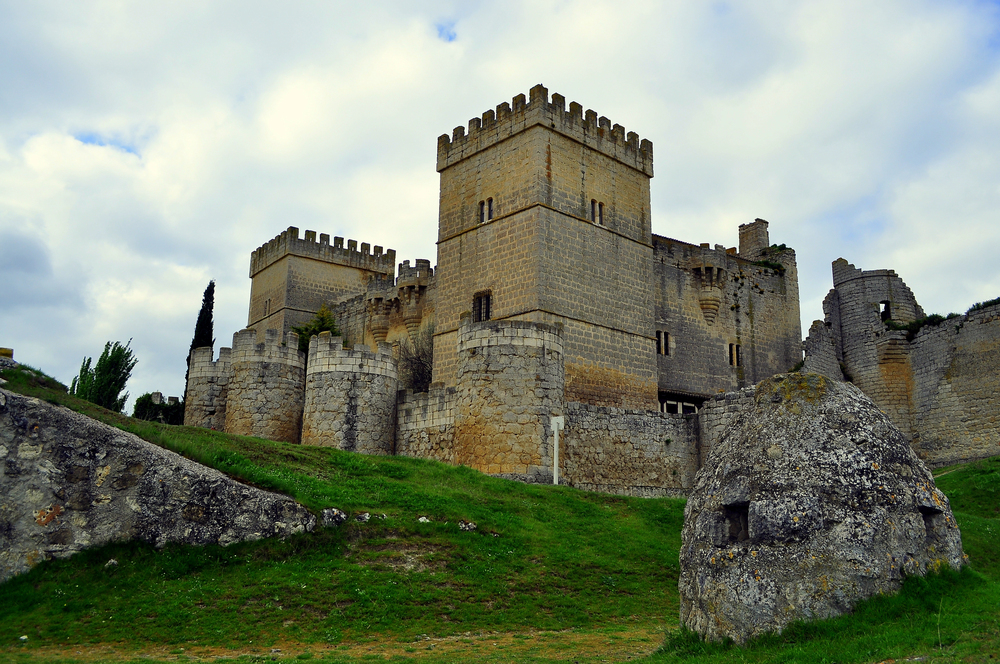
Palencia is home to several remarkable landmarks that reflect its historical significance, as it happens in other cities of Castille Leon, such as Zamora Spain.
Key sites include:
- San Antolín Cathedral: A stunning example of Gothic architecture, the cathedral is not only an important religious site but also an emblem of the city. Its intricate façade and beautiful stained glass windows attract visitors and worshippers alike.
- Convent of San Pablo: This 15th-century convent showcases stunning Mudejar style and is known for its beautiful altarpiece and serene courtyard. It serves as a peaceful retreat for those seeking a moment of reflection.
- The Plaza Mayor: The main square of Palencia is surrounded by stately buildings and is often the centre of local events and social gatherings, embodying the heart of community life.
The Role of the Cathedral
San Antolín Cathedral plays a pivotal role not just as a place of worship but as a cultural hub.
It has been central to the regions spiritual life for centuries.
Its construction started in the 14th century, and it features an impressive blend of architectural styles, including elements of Gothic and Renaissance designs.
The cathedrals high altar is particularly noteworthy, housing the revered relics of St. Antolín, the patron saint of Palencia.
Festivals and Traditions
The rich cultural tapestry of Palencia Spain is also woven through its numerous festivals and traditions, which celebrate both religious and local heritage.
Key events include:
- Holy Week: A significant event featuring processions that reflect deep-rooted religious traditions. The elaborate floats and solemn music create a captivating atmosphere throughout the city.
- San Antolín Festival: Celebrated in September, this festival honours the patron saint with festivities, food, and local music. It draws both locals and visitors to participate in the vibrant celebrations.
- Feria de Palencia: A lively fair that showcases local crafts, cuisine, and agricultural produce, offering a glimpse into the region’s cultural and economic activities.
Accommodation in Palencia Spain
Palencia Spain offers a variety of accommodation options, catering to diverse preferences and budgets.
From charming hotels to homely guesthouses, there is something for everyone seeking a stay in this historic province.
Types of Accommodation Available
In addition to hotels, visitors can find various types of accommodation to enhance their stay:
- Guesthouses: Offering a more personal touch, guesthouses are ideal for those wanting to experience local hospitality.
- Apartments: Many self-catering apartments are available for those seeking the flexibility of cooking and living like a local.
- Hostels: For budget-conscious travellers, hostels provide dormitory-style accommodation and a chance to meet fellow backpackers.
Tips for Booking and Staying
To ensure a pleasant experience while staying in Palencia, consider the following tips:
- Book well in advance, particularly during peak tourist seasons like summer and local festivals.
- Check reviews on reputable sites to gauge the quality of service and amenities offered by accommodations.
- Look for special deals or packages that might include meals or guided tours.
- Explore the option of local bed and breakfasts, which can provide a unique insight into the region’s culture.
Climate and Weather Conditions
The climate of Palencia Spain is characterised by its continental Mediterranean influence, featuring distinct seasonal variations that impact both weather patterns and overall living conditions.
Typical Weather Patterns
The weather in Palencia experiences notable contrasts between summer and winter.
During the winter months, temperatures often dip below 0°C, leading to cold and sometimes harsh conditions.
The summers, in contrast, can be quite warm, with average highs frequently surpassing 30°C, especially in July, which is usually the hottest month of the year.
Seasonal Variations
- Winter
Winters are typically cold and dry, with limited precipitation.
Snowfall can occur, particularly in the surrounding mountainous areas, providing a beautiful landscape and opportunities for winter sports.
- Spring
Spring sees a gradual warming trend. Temperatures begin to rise, often reaching comfortable levels by late April.
Rainfall increases during this season, enriching the landscape and supporting local flora.
- Summer
Summers are generally warm to hot, with clear skies dominating much of the season.
The long days and abundant sunshine are ideal for outdoor activities and exploration of the region.
- Autumn
Autumn marks a transitional period where temperatures begin to cool.
This season is characterised by moderate rainfall and beautiful foliage, particularly in late October and November.
Best Times to Visit
The ideal time to visit Palencia Spain largely depends on the desired activities.
For those who prefer milder temperatures and fewer crowds, spring and autumn are perfect choices.
These seasons offer pleasant weather and vibrant natural scenery.
Summer, while hotter, is best for those looking to enjoy outdoor events and festivals.
Winter, with its scenic snow-capped exteriors, can be appealing for visitors who enjoy winter sports or wish to experience a quieter atmosphere.
Yours Free
Spain 101 is a free ebook full of unique tips that will save you thousands of Euros when moving to / living in Spain.
Would you like to get it now?
Please click / tap on the image below:
Transportation and Accessibility
Transportation in Palencia is well-developed, ensuring easy access to the city and surrounding areas.
A combination of rail, road, and public transport options makes getting around simple and efficient.
Using the Railway Station
Palencias railway station, known as Estación de Palencia Spain, serves as a key hub for train services across Spain.
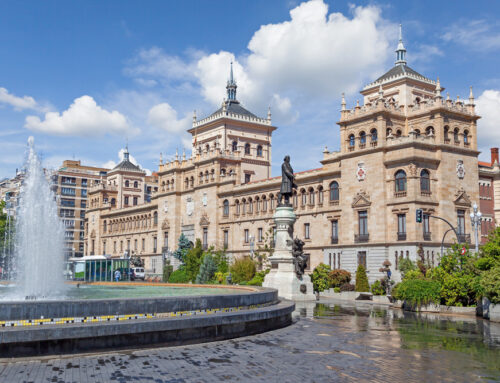
It provides regular connections to major cities including Madrid and Valladolid España, significantly reducing travel time.
High-speed trains and regional services cater to both commuters and tourists.
The infrastructure supports accessibility, with facilities for individuals with mobility issues. Timetables are convenient, allowing for flexible travel plans.
Road Connections to Major Cities
The road network around Palencia is robust, with well-maintained highways linking the city to important urban centres.
The A-62 motorway is one of the main routes, providing direct access to Valladolid and Burgos, while the A-67 connects to the wider Spanish road system.
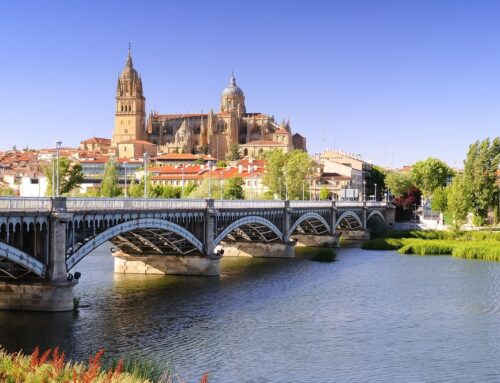
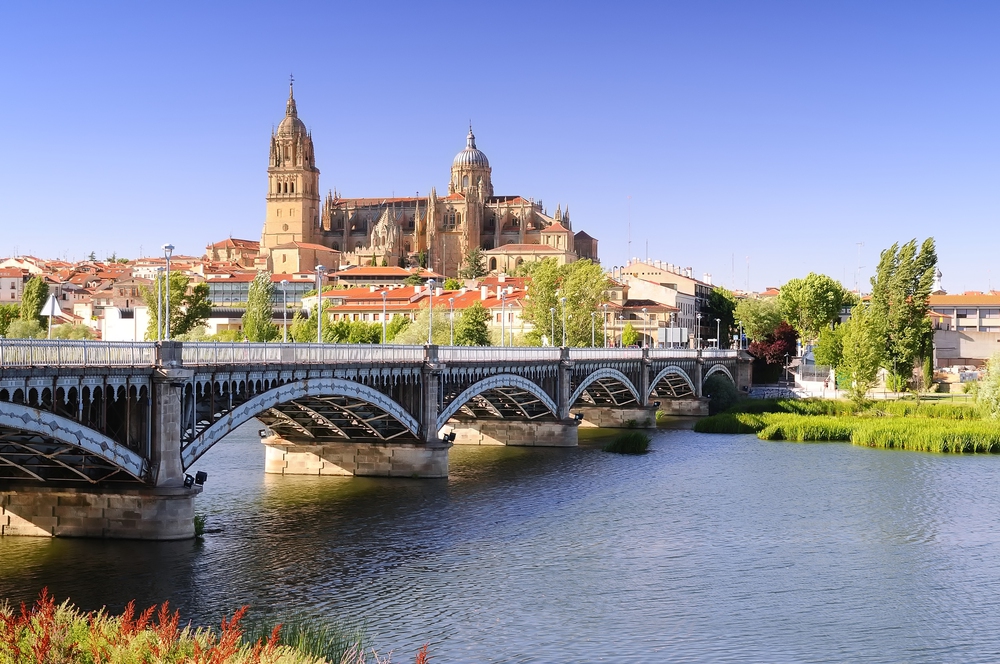
The well-known city of Salamanca Spain is only 1.5 hours away from Palencia Spain.
This accessibility not only supports local commerce but also attracts visitors seeking to explore the region.
The well-signposted routes help ensure smooth journeys for all types of vehicles.
Public Transport Options
Public transport in Palencia plays a vital role in local mobility, with an efficient bus service complementing the railway network.
City buses offer regular routes, connecting various neighbourhoods and essential services, making it convenient for residents and tourists alike.
Furthermore, intercity buses provide links to surrounding towns and cities, enhancing regional connectivity.
- Comprehensive bus schedules facilitate easy travel.
- Timely connections with the railway enhance travel efficiency.
- Access to key sites promotes greater exploration of the area.
Economy and Local Industries
The economy of Palencia Spain is characterised by a blend of traditional and modern industries, alongside challenges that continue to shape its development.
The region boasts a diverse economic landscape that reflects its historical roots and contemporary needs.
Economic Development and Challenges
Economic growth in Palencia has been uneven, largely influenced by national trends and local policies.
Historically reliant on agriculture, the province has seen a shift towards service and industrial sectors.
However, economic challenges remain, including population decline and limited diversification, which affect job creation and investment.
Recent efforts have focused on revitalising the local economy by attracting businesses and improving infrastructure.
The integration of technology and innovation in traditional sectors is seen as a key avenue for growth, fostering a more resilient economy for the future.
Main Industries and Sectors
- Agriculture: The backbone of the economy, with a focus on cereal production and livestock farming.
- Industry: Manufacturing plays a crucial role, particularly in food processing and textiles.
- Services: An increasing portion of employment is found in the service sector, including retail, tourism, and education.
The agricultural sector benefits significantly from the fertile plains surrounding Palencia Spain, producing high-quality crops that contribute to both local and national markets.
Mientras tanto, el sector manufacturero se ha visto impulsado por la creciente demanda de productos locales, lo que ha contribuido a la creación de empleo en la región.
Perspectivas económicas futuras
De cara al futuro, Palencia Spain se enfrenta tanto a oportunidades como a obstáculos.
El énfasis continuo en las prácticas sostenibles y las tecnologías verdes podría allanar el camino para la renovación económica.
Se prevé que las inversiones en infraestructura y conectividad mejoren la accesibilidad, atrayendo a más visitantes y empresas.
Además, las iniciativas locales destinadas a promover el espíritu empresarial y la innovación pueden dar lugar al surgimiento de nuevas industrias.
El desarrollo continuo de las instituciones educativas desempeña un papel crucial a la hora de dotar a la fuerza laboral de las habilidades esenciales para una economía moderna.
Oportunidades educativas y académicas en Palencia, España
El sector educativo en Palencia desempeña un papel importante en la configuración de la comunidad local y en el fomento de la excelencia académica.
Papel histórico de la Universidad
Históricamente, la Universidad de Palencia fue una de las primeras universidades de España, fundada en el siglo XIII.
Atrajo a académicos y estudiantes de diversas regiones, contribuyendo a la vida intelectual y cultural de la provincia.
Aunque la universidad fue trasladada a Valladolid en el siglo XVIII, su legado ha perdurado, influyendo en las tradiciones educativas de Palencia y más allá.
Instalaciones educativas modernas
En la actualidad, Palencia cuenta con diversas instituciones educativas que atienden a diferentes niveles académicos. La provincia se caracteriza por:
- Escuelas públicas y privadas que ofrecen educación primaria y secundaria.
- Centros de formación profesional que ofrecen capacitación especializada en múltiples sectores.
- Instituciones de educación superior, incluidas las sedes universitarias especializadas en diversos campos.
Estas instalaciones garantizan que los estudiantes reciban una educación de calidad, promoviendo tanto el desarrollo académico como el personal en un entorno de apoyo.
Centros de investigación y aprendizaje
Palencia, en España, también alberga varios centros de investigación y aprendizaje que mejoran las oportunidades educativas. Estos centros se centran en:
- Realizar investigaciones en diversas disciplinas, incluidas las ciencias, las humanidades y las ciencias sociales.
- Colaboración con empresas e industrias locales para cerrar la brecha entre el mundo académico y el laboral.
- Proporcionar recursos y apoyo a estudiantes e investigadores, fomentando la innovación y el crecimiento.
A través de estas iniciativas, Palencia, en España, continúa consolidándose como un centro destacado de educación e investigación, contribuyendo al desarrollo general de su comunidad.
Entorno natural y parques
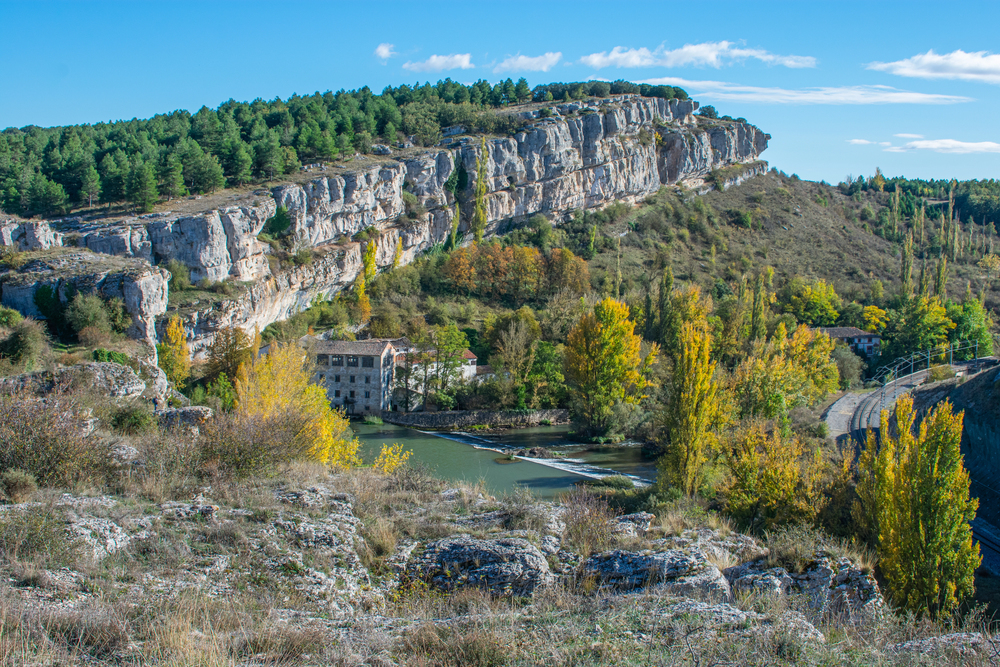
Palencia alberga una gran variedad de paisajes naturales y parques que contribuyen a su riqueza ecológica y a sus oportunidades recreativas.
Isla Dos Aguas y Áreas Recreativas
Isla Dos Aguas es una de las zonas recreativas más destacadas de Palencia.
Esta singular isla, formada por la confluencia de los ríos Carrión y Pisuerga, constituye un hábitat vital para numerosas especies de aves y otros animales salvajes.
Los visitantes pueden explorar la exuberante vegetación y disfrutar de senderos bien mantenidos.
La zona es ideal para actividades como senderismo, observación de aves y picnics.
Espacios naturales protegidos
Palencia, en España, cuenta con varias áreas naturales protegidas, lo que refleja su compromiso con la conservación de la biodiversidad. Entre los lugares más destacados se incluyen:
- Parque Natural de Fuentes Carrionas: Este extenso parque, con sus paisajes agrestes y su diversa flora, es un paraíso para los amantes de la naturaleza. Ofrece varios senderos para practicar senderismo y ciclismo, con oportunidades para avistar fauna autóctona.
- Montaña Palentina: Una zona montañosa reconocida por sus impresionantes paisajes y su rica biodiversidad. El parque es especialmente popular entre los excursionistas que buscan tanto desafío como belleza.
Estos espacios protegidos proporcionan hábitats esenciales para la fauna local y contribuyen a la salud general del ecosistema, poniendo de relieve el patrimonio natural de la región.
Esfuerzos de conservación ambiental
Los esfuerzos por preservar el medio ambiente natural en Palencia incluyen diversos programas de conservación destinados a proteger los ecosistemas y promover prácticas sostenibles. Las autoridades locales, junto con organizaciones ambientales, participan en:
- Proyectos de reforestación: Su objetivo es restaurar los bosques autóctonos y mejorar la biodiversidad.
- Iniciativas de protección de la vida silvestre: Centrados en la protección de las especies en peligro de extinción y sus hábitats.
- Campañas de sensibilización: Diseñado para educar al público sobre la importancia de la conservación y las actividades al aire libre responsables.
Estas iniciativas son vitales para garantizar que la belleza natural de Palencia se conserve para las generaciones futuras, al tiempo que se promueve un equilibrio entre la actividad humana y la protección del medio ambiente.
Gratis para ti
España 101 es un libro electrónico gratuito lleno de consejos únicos que te ayudarán ahórrate miles de euros al mudarse a España o al vivir allí.
¿Te gustaría obtenerlo ahora?
Por favor, haga clic o toque la imagen a continuación:
Si desea leer sobre otros puntos importantes para vivir o mudarse a España, aquí tiene otros artículos útiles que hemos escrito:
#atfp_close_translate_span#
#atfp_close_translate_span#